The Story
Why it exists.
The beginning
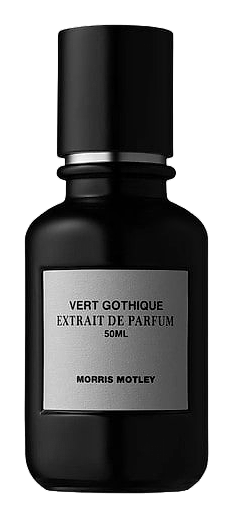
Vert Gothique began as an answer to a question about what a leather scent could become when stripped of every concession to likability. Not pleasant, not smooth, but compulsive. Something you'd keep pulling your wrist toward, almost against your will. Vinchon-Spehner built the composition to push leather further than convention allows, introducing an element that disrupts every expectation of the genre and refusing to round any edges. The name points somewhere between cathedral and underground, though that interpretation lives in the nose more than anywhere else. Released as a rebrand, it carries forward Morris Motley's sensibility, channeled through an aromatic leather structure that owes nothing to market precedent.
The headline here is the cocaine accord, a deliberate provocation that has nothing to do with literal cocaine and everything to do with recreating that particular chemical signature. It's a way to lift the leather out of its usual smoky territory and push it somewhere colder, brighter, more clinical. Surrounding it: oakmoss for that cold, damp undertone, patchouli for depth, oud for shadow, and pink pepper alongside white pepper, each one sharp in its own register, keeping everything on edge. This isn't a leather designed to be softened.
The evolution
The first ten minutes are almost confrontational. Pink pepper and the cocaine accord arrive first, cold and bright, the kind of opening that makes you check your wrist twice. There's a mineral quality to it, something closer to a stone corridor than a fragrance. By the thirty-minute mark, the oakmoss starts pulling the composition into its territory. The leather deepens, loses its initial crispness, and begins to warm against skin. This is where Vert Gothique stops testing you and starts settling in. The oud stays quiet through most of this, but by the two-hour mark it surfaces, smoky and resinous, folding into the patchouli base. What lingers is the oakmoss and leather combo. The drydown holds that cold-damp-on-warm-hide quality, less sharp than the opening but just as present, the moss refusing to fade while the leather stays rooted in skin chemistry.
Cultural impact
The cocaine accord is what gets people talking, not because it smells like anything illicit, but because it adds that chemical edge that separates this from more conventional leather compositions. It's a move that immediately filters the audience, drawing in those who want their leather to challenge them rather than comfort them. Wearers gravitate toward it in cooler months, when the oakmoss and damp-stone qualities find their natural climate. The fragrance builds a reputation among people who already follow this corner of perfumery, those drawn to compositions that refuse to soften their edges.
The House
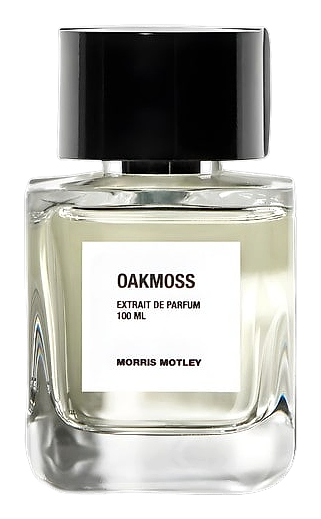
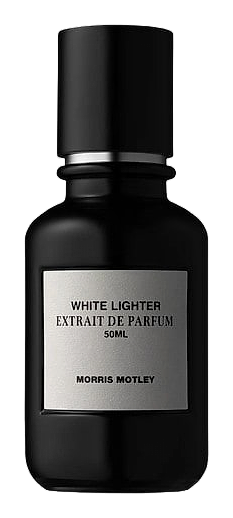
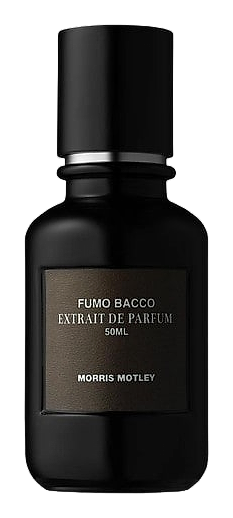
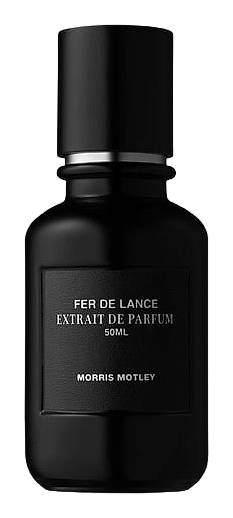
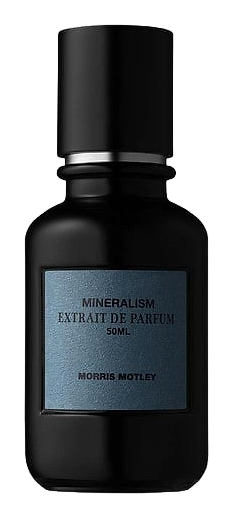
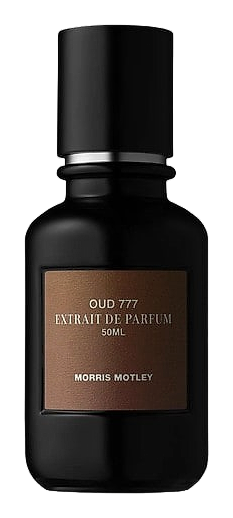
Morris MotleyMorris Motley is an Australian fragrance house that emerged in the early 2020s, quickly distinguishing itself through a portfolio of bold, architecturally-inspired scents. The brand operates from Australia and has built a collection that spans woody, oud, aromatic, and smoky territories. Their fragrance lineup includes Oakmoss (2020), Vert Gothique (2024), White Lighter (2024), OUD 777 (2025), Mineralism (2025), Fer de Lance (2025), and Fumo Bacco (2025). The nose behind these compositions is perfumer Karine Goranchella, who has shaped the brand's olfactory identity across multiple releases. Beyond perfumery, Morris Motley maintains a broader product ecosystem that encompasses handwash, bodywash, hair styling, and hair cleansing products, positioning the brand as a multi-sensorial lifestyle concern rather than a traditional fragrance-only house.
The Creator
Karine Vinchon-SpehnerKarine's signature centers on natural raw materials used with liberal hand. She gravitates toward warm, enveloping notes: amber, rich woods, and earthier elements.