The Story
Why it exists.
The beginning
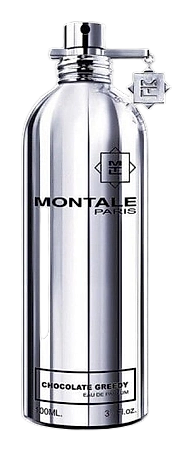
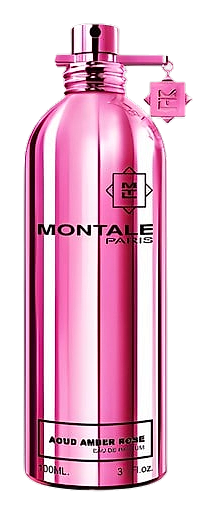
Pierre Montale created Aoud Amber Rose in 2010, late in his first decade back in Paris after years crafting bespoke fragrances for Arabian nobility. The name says everything: aoud (agarwood) and amber rose, two materials Montale had spent years studying in the Orient, now in conversation with each other. This wasn't a rose softened for Western sensibilities. It was rose the way Montale understood it, bold, dark, almost medicinal in its intensity, elevated by the ancient resin he had come to revere.
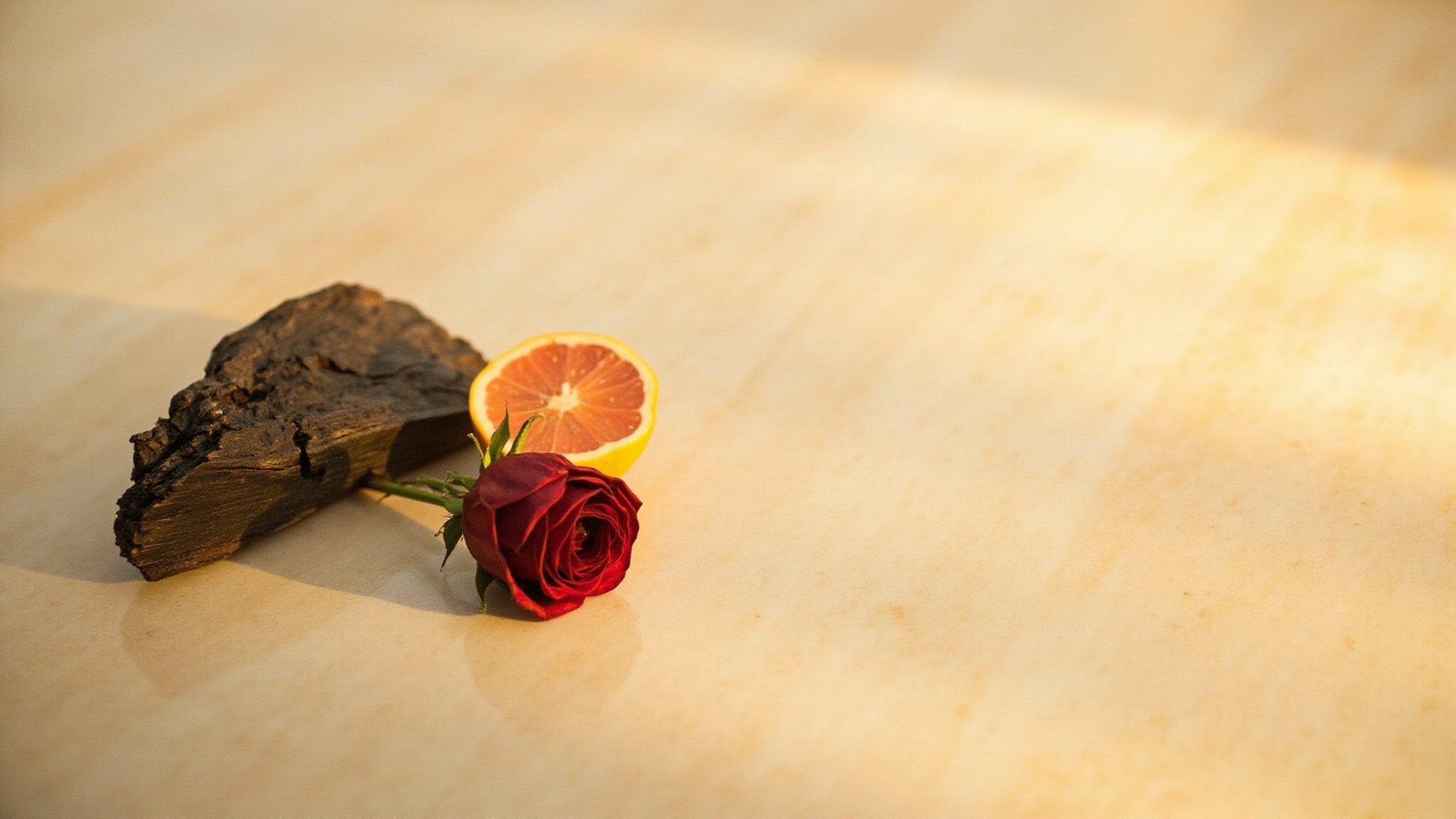
What makes this composition unusual is how the rose and oud relate. In most rose-oud pairings, the rose softens the wood. Here, they amplify each other into something more resinous, more animalic. The addition of saffron and grapefruit keeps the opening from becoming immediately heavy, a brief metallic brightness before the depth settles. The guaiac wood and cedar in the base don't just support the heart; they extend it, creating a drydown that stays woody and warm for hours on skin that knows how to hold fragrance.
The evolution
The opening announces grapefruit and saffron, bright, tart, with that distinctive metallic warmth. Aoud is there from the start, not waiting in the wings. The rose takes longer to arrive, maybe twenty minutes, but once it does, it dominates the heart phase. Dark. Velvety. Almost dusty the way real roses smell when they're not trying to be pretty. The drydown is where Montale's craftsmanship shows: guaiac wood and Virginia cedar don't compete with the rose and oud, they fold into them, smoothing the edges into something resinous and warm. On fabric, this fragrance lasts until the next wash. On skin, expect 8-10 hours easily.
Cultural impact
Aoud Amber Rose holds a particular position in the Montale catalog: discontinued but sought-after, replaced by newer rose-oud interpretations that never quite capture its specific character. The fragrance occupies a middle ground between the house's more accessible roses and its heavier aoud-centric releases, a balance of floral sweetness and Eastern depth that reads as bold rather than aggressive. Its 2010 launch predates the contemporary oud boom, positioning it as a reference point for how Western houses approached Oriental materials before the trend became saturated.