The Story
Why it exists.
The beginning
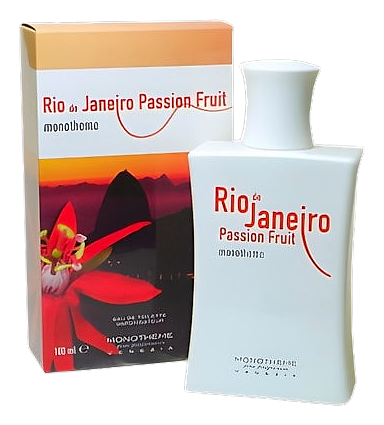
Rio de Janeiro Passion Fruit arrived in 2012 as part of Monotheme Venezia's Earth Collection, a series built to translate exotic locations into fragrance. The reference here isn't the beach itself but the sticky-sweet chaos of a Rio summer afternoon, samba rhythm implied rather than stated. The composition leans into tropical fruit and passion fruit as the anchor, with citrus and water lily carrying the open-air quality. Musk and woody notes ground the base. The result reads less like a traditional floral and more like a postcard that smells back. There's something almost cinematic in the way the top notes arrive: a bright citrus flicker, sharp and clean, that cuts through the heavier sweetness waiting underneath.
What makes this composition distinctive is how it handles the tropical note without falling into sunscreen territory. The passion fruit is offset by water lily, which adds a green, almost pond-water quietness that keeps the fruit from going syrupy. The musk and woody notes don't arrive heavy or resinous. They function as a thin shadow under everything, the kind that makes the fruit read like fruit rather than candy. The passion fruit is the named star, but the supporting cast of water lily and light woods prevents it from collapsing into a single dimension.
The evolution
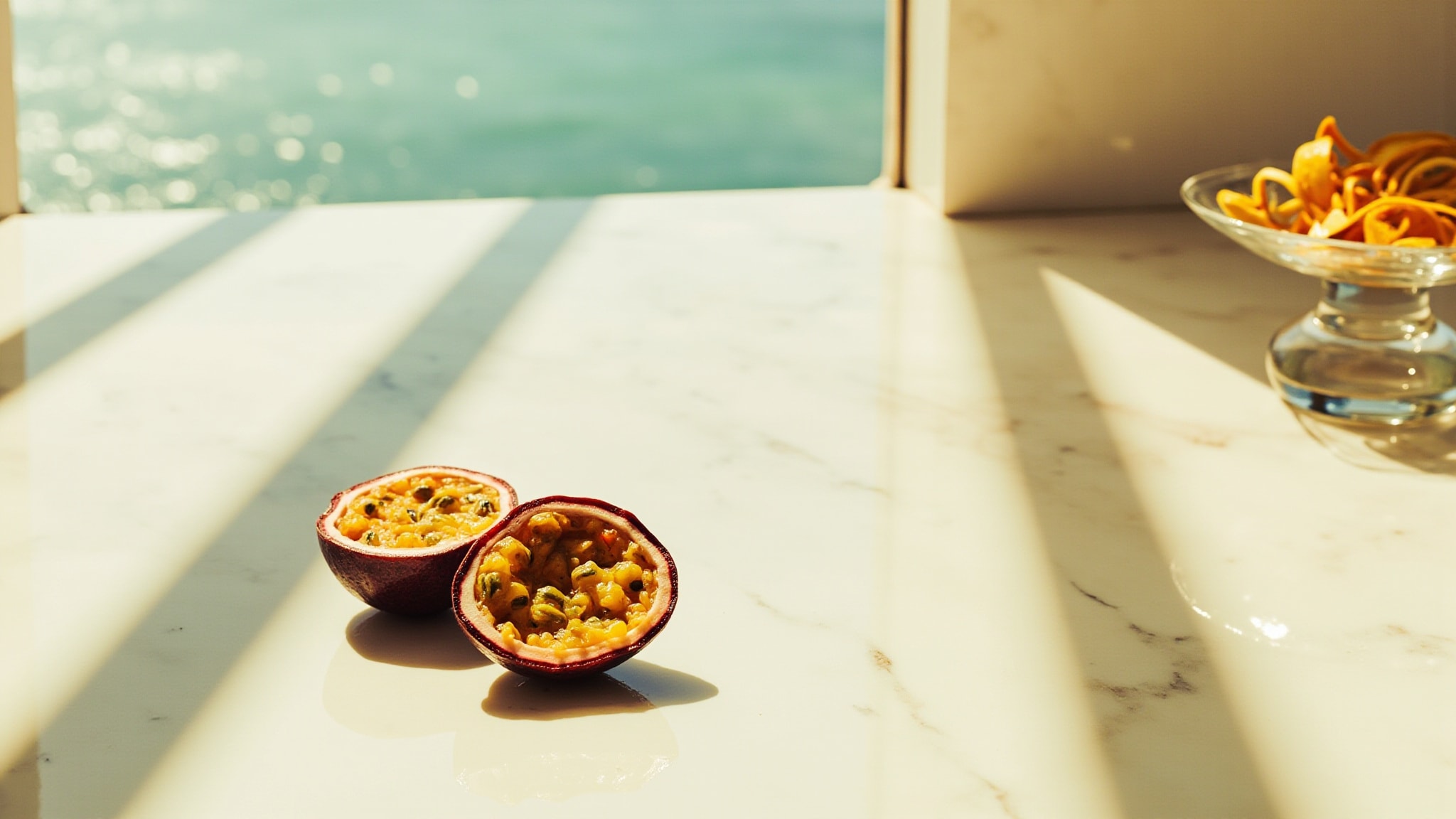
The opening belongs to citrus. Bright, uncomplicated, the kind of arrival that smells like slicing something with a sharp knife. It doesn't linger long before the passion fruit takes over, and it does so without warning. Juicy, almost wet, with that faint tropical acidity that sits between sweet and sour. The water lily threads in quietly, giving the composition a green coolness, like shade under a striped umbrella. The fruit and floral hold steady through the middle stretch, neither fading nor pushing forward. Eventually, the musk starts to surface. It's not a dramatic shift. The fruit softens, the woods appear at the edges, and the whole thing becomes warmer, quieter, more like skin than like a glass. By the final stretch, you're left with a faint woody-musky trace, the ghost of the passion fruit still detectable if you press your wrist to your nose.
Cultural impact
Passion fruit carries a particular weight in Brazilian culture, conjuring up the laid-back mood associated with Rio de Janeiro and the country's deep relationship with tropical fruit. The fruit's tart-sweet duality has long made it a staple in the national imagination, a flavor that signals warmth, ease, and everyday pleasure. This fragrance leans into that familiarity, presenting the note not as an exotic curiosity but as something lived-in and recognizable. The scent captures the essence of Rio summer: humid, golden, unhurried. The passion fruit note doesn't just smell like the fruit itself.