The Story
Why it exists.
The beginning
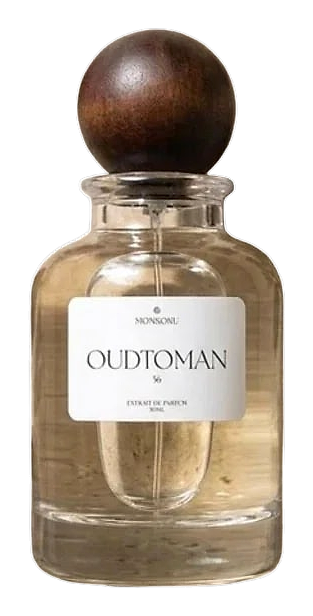
Oudtoman arrived in 2025 as part of Monkoku's expanding lineup of small-batch compositions, a house that builds each scent around a single captured moment and lets the perfume argue for itself. The name reads as a declaration: oud, the frontman, not the supporting act. Where many niche houses treat oud like a treasured guest kept at the edges, Monkoku positions it as the headline. Lavender and saffron set a cooler stage before the wood takes over, and the result reads as a study in contrast rather than a typical Middle Eastern profile. There is no founder interview or campaign film to cite, just a 2025 release that fits the brand's ongoing pattern of restrained bottles housing compositions with real spine.
The note structure makes the case. Lavender is not the afterthought aromatherapy note that drifts through masculine flankers. Here it carries weight in the opening, doing the same cooling work it does in classic fougères but pointed toward something darker. Saffron threads through it with a leathery warmth that refuses to read sweet. Then oud arrives with patchouli at its side, and the composition stops being polite. Patchouli gives the oud soil to stand on. Without it, the wood would float. The musk drydown doesn't reinvent anything. It just makes sure the wood remembers where it landed. Five notes, no filler, a structure Monkoku tends to favor over flashier pyramids.
The evolution
First twenty minutes belong to the lavender. It opens clean, almost soapy, the way good lavender reads when it hasn't been buried under vanilla or amber. The saffron arrives within minutes, not as a separate event but as a warming current running underneath. Nutmeg hides in there too, adding a faint peppery sweetness that keeps the opening from going cold. By the forty-minute mark, the oud has woken up. It enters as smoke, not as the barnyard funk some ouds carry. Patchouli follows and grounds the whole composition into something earthier, more rooted. The middle stretch, roughly ninety minutes to four hours in, is where Oudtoman does its real work. The lavender never fully leaves. It weaves through the wood like a cool thread in a warm fabric, which prevents the scent from collapsing into standard oud territory. The drydown past hour five is musk and whatever oud has left to give. It sits close to the skin. On fabric, a scarf or jacket collar, it lingers past the next morning as a faint woody warmth with a cool herbal edge.
Cultural impact
Oudtoman sits in an interesting pocket of the niche market. Oud-heavy compositions tend to lean either into the smoky, resinous Middle Eastern tradition or the polished designer interpretation. This one splits the difference, keeping enough wood character to satisfy oud enthusiasts while the lavender and saffron give it broader reach. It wears close enough for office use but holds enough warmth for evening. The kind of scent that reads as personal rather than performative, which fits the Monkoku approach of letting the composition do the talking without a marketing campaign behind it.