
The Story
Why it exists.
The beginning
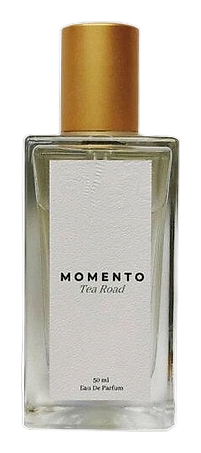
Tea Road was born from the historic Treaty of Kyakhta, the 1727 pact that opened the overland tea route between China and Russia. Mladen Dragic translated that saga into scent in 2021, choosing bergamot to signal the first light over the steppe and black tea to echo the cargo that fueled the caravan.
Bergamot here serves multiple purposes: it provides immediate freshness, it offers a olfactory jolt at the opening, and it creates contrast against the darker leather-smoke character that follows. The decision to place bergamot within the heart notes rather than as a top note reflects an understanding that this fragrance should not be polite or easy. Black tea brings the thematic weight, tying the composition back to the historic name. Leather and smoke provide sensory texture and longevity, ensuring the fragrance does not simply fade but rather persists as a low, textured presence. The woody notes provide structure without loudness, and musk keeps everything anchored to the skin.
The evolution
The scent journey opens immediately on bergamot, bringing an unexpected citrus clarity that signals departure before the caravans even load. As bergamot recedes, leather and smoke move into the foreground, representing the grit and hardship of the road itself. Black tea appears as a dusty, warm presence throughout the middle hours, never quite disappearing, maintaining that connection to the original cargo. Musk provides the low anchor that keeps the experience grounded close to the skin as the hours pass. Woody notes frame the composition without ever dominating, serving as the persistent scenery of the route.
Cultural impact
Since its 2021 launch, Tea Road has become a quiet favorite among collectors who appreciate scent-driven storytelling. Forums note its ability to transport wearers to the historic caravan routes, and it’s often compared to other Momento ATR releases for its balanced narrative focus. The fragrance’s smoky-leather core has sparked discussions about modern reinterpretations of oriental motifs, positioning it as a bridge between classic trade-route inspirations and contemporary minimalist aesthetics.