The Story
Why it exists.
The beginning
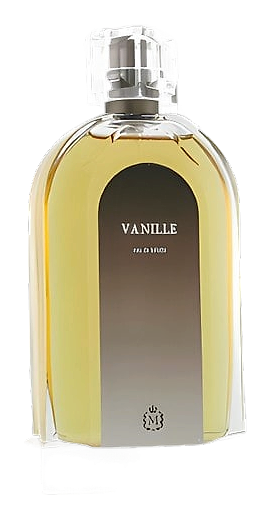
Franck Boclet built his fragrance collection on statements. Oud, tobacco, animalic depths, compositions that refused to be safe. Vanille arrived in 2015 as something different. Not a retreat from character, but a different kind of it. Here, the house turned its attention to warmth, a gourmand construction that carried the same conviction as the smokier releases, just softer around the edges. The name says everything: this is a fragrance that takes vanilla seriously enough to build around it.
What makes Vanille work is what surrounds the vanilla, not the vanilla itself. The citrus top, lime and grapefruit, arrives bright and almost tart, cutting through the sweetness before it can settle into something predictable. Cardamom adds an aromatic edge that keeps the opening from feeling like a candle. In the heart, caramel and ginger create an unexpected dialogue: sweetness and warmth, each tempering the other. The result is a fragrance that smells warm without smelling sweet, which is harder than it sounds.
The evolution
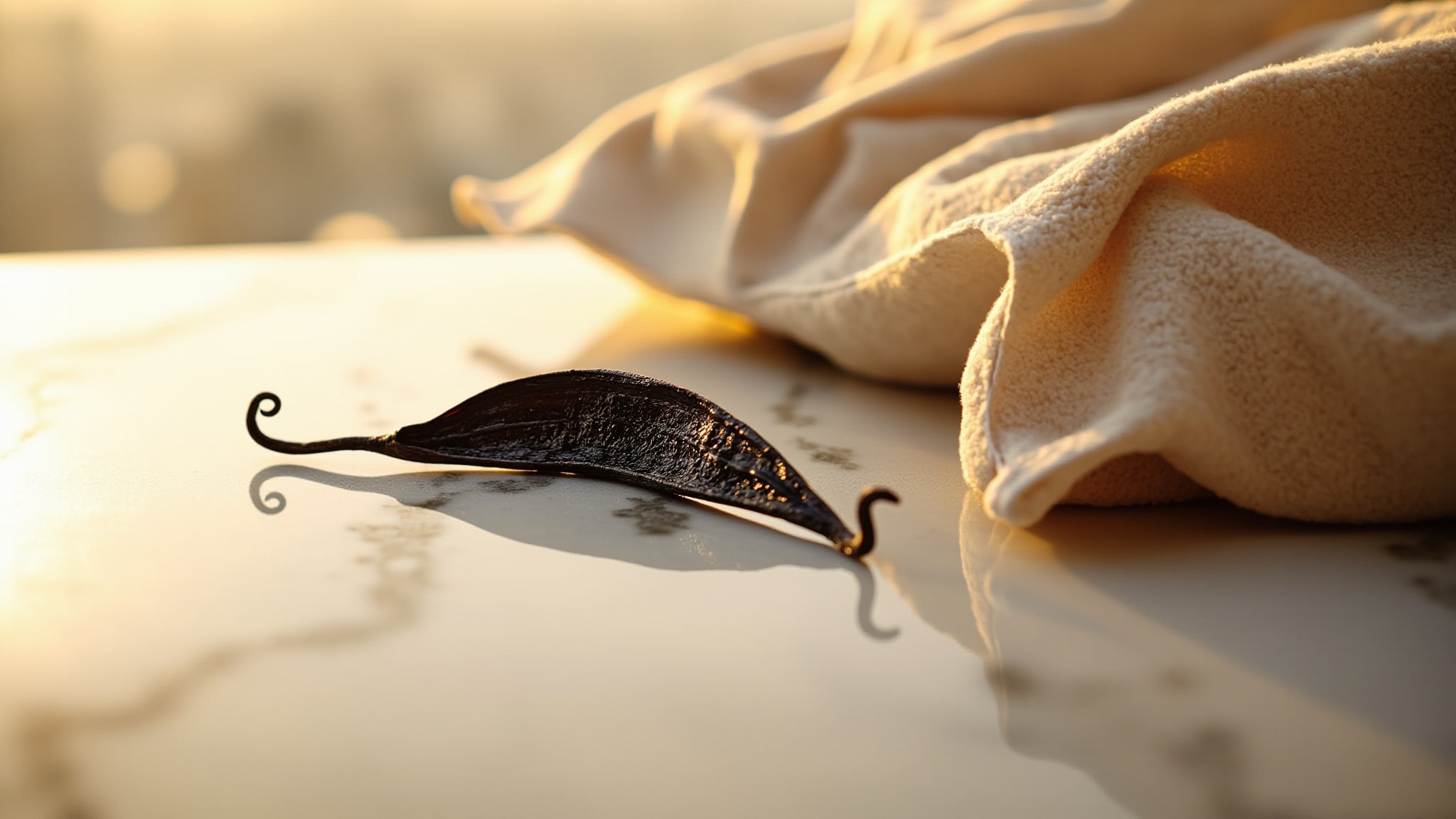
The opening hits with lime and grapefruit, citrus that's tart and immediate, softened only slightly by cardamom's aromatic bite. Within the first hour, the grapefruit fades and the caramel begins to assert itself, sweet and edible, while the ginger adds a clean heat that keeps the sweetness from cloying. By the second hour, the heart is fully established: caramel warmth, ginger warmth, a floral softness that tempers the spice. The drydown is where this fragrance earns its name. Vanilla absolute takes over, joined by cedar and musk, the composition settles into something creamy, powdery, and warm. The sillage is moderate throughout, intimate and close rather than room-filling. What surprises is the longevity: eight to ten hours on most skin types, with the vanilla and cedar holding firm into the evening. On fabric, it lingers until the next morning.
Cultural impact
Vanille (2015) marked a shift in the Franck Boclet collection, the house known for smoky, statement-making compositions turned its attention to warmth without surrendering character. It found an audience among wearers who wanted the conviction of niche perfumery but preferred their fragrances on the sweeter, warmer end of the spectrum.