
The Story
Why it exists.
The beginning
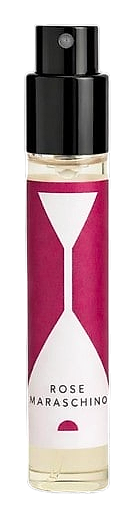
Rose Maraschino launched in 2026, created by perfumer Daniel Barros. Its name joins two vivid pleasures: rose, with its soft floral romance, and maraschino, here expressed through a cherry liqueur effect. The composition places that bright, boozy fruit beside mandarin, red rose, cinnamon, and orange blossom before grounding the whole thing in patchouli and oakmoss. It is a fragrance built around contrast, pairing the polished familiarity of rose with a darker, more playful sense of nightlife.
The interesting part is the tension between celebration and shadow. Cherry liqueur and mandarin make the opening sweet and lifted, while cinnamon introduces heat without turning it into a simple spicy scent. Red rose and orange blossom give the middle a floral glow. Patchouli and oakmoss then pull the composition toward earth, moss, and subtle chypre depth, giving the bright fruit and rose something substantial to stand on.
The evolution
It begins with a lively collision of cherry liqueur and mandarin, sweet and sharp enough to catch attention. As the opening softens, red rose and orange blossom bring a polished floral center, while cinnamon adds a warm, gently spiced edge. The composition gradually moves from bright fruit to richer floral warmth, then settles into patchouli and oakmoss. Those base notes leave the fragrance more grounded and quietly earthy as the hours pass. Expect moderate sillage, skin wear that can linger through much of the day, and a rosy, mossy drydown that does much of the late-evening work.
Cultural impact
Rose Maraschino belongs to a contemporary cocktail-culture register where fragrance is framed through recognizable drinks and nightlife associations. Its rose-and-cherry presentation sits between floral perfume and playful, cultivated evening scent, a combination suited to wearers who enjoy familiar notes with a sharper sense of occasion.
The House
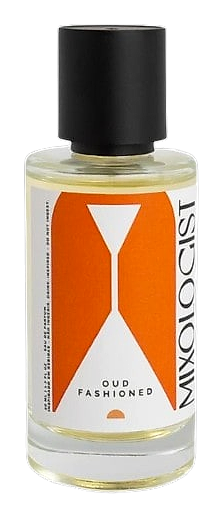
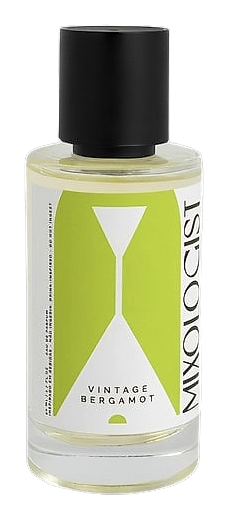
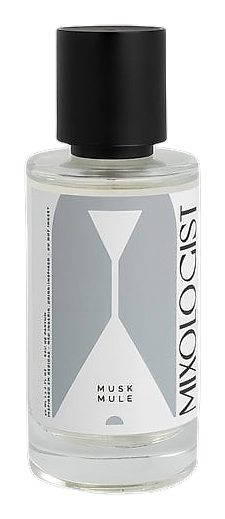
MixologistMixologist presents fragrance through the language of drinks, garnishes, smoke, spice, and cool refreshment. Its catalog includes Vintage Bergamot, Musk Mule, Cuir Mojito 2026 Remix, Sex on the Peach 2026 Remix, Kiris Royale 2026 Remix, and Scotchouli 2026 Remix. The names suggest compositions built around recognizable olfactory cues, but the available research does not identify a founding year, founder, country, perfumer, production method, or confirmed visual identity. Mixologist is best described here as a fragrance label with a playful, menu-like naming system rather than a documented traditional perfume house.
The Creator
Daniel BarrosBarros brings an educator's clarity to fragrance writing, favoring organized frameworks that help readers navigate complex olfactory territory. His book divides the fragrance landscape into digestible sections, moving from foundational concepts to broader industry context.