
The Story
Why it exists.
The beginning
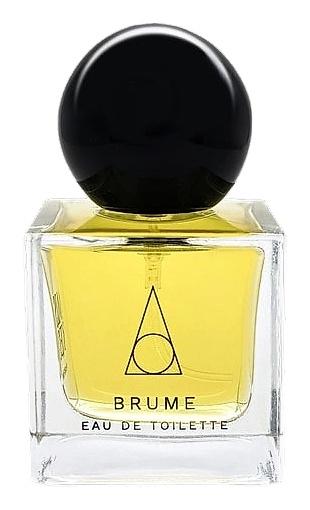
Brume arrived as a fragrance built around a single atmospheric impression: fog. The name isn't metaphor. It's the sensation the perfumer wanted to capture, the surreal impression of walking through morning mist on a cold coast, where the air is simultaneously fresh and mineral, green and ozonic, everything slightly damp and undefined. The composition required a careful balance of materials that could evoke mist without defaulting to the usual aquatic tropes. That's where the Haitian vetiver and mastic came in, anchoring the fragrance in something earthy and resinous rather than sweet or synthetic.
What makes Brume interesting isn't any single note, it's the way the materials resist easy categorization. The ozonic and aldehydic elements create an almost transparent quality, like light through fog. But the mastic and lentisque add a resinous backbone that keeps the scent from disappearing entirely. The green-geranium-moss combination introduces an herbal dimension that most marine fragrances don't bother with. The result is a fragrance that smells like a cold morning, not a tropical beach. There's no coconut, no salt-bomb sweetness. Instead, it's mineral and green and just slightly medicinal, the kind of scent that rewards attention rather than demanding it.
The evolution
The opening hits bright and ozonic, juniper and aldehydes cutting through like cold air. There's an immediate freshness here, almost electric, before the green notes begin to settle. The geranium emerges within the first few minutes, bringing an herbal quality that feels almost medicinal in the best possible way. The heart phase is where Brume reveals its unusual structure. The ozonic notes don't fade so much as deepen, merging with the mastic and moss to create something that smells like wet stone and coastal air. The seaweed, if your skin picks it up, reads as a clean mineral note rather than anything briny or fishy. It's atmospheric in the truest sense. The drydown is vetiver and moss, earthy and close.
Cultural impact
Miskeo Parfums approaches fragrance from a different angle than many niche houses. Rather than building scents designed to announce themselves across rooms, the house crafts fragrances that stay close to the skin, rewarding intimate proximity over theatrical projection. Brume embodies this philosophy, a scent that rewards the wearer who discovers it rather than broadcasting its presence to everyone in the vicinity. In a market where projection and sillage often define success, this approach offers something quieter, more personal, more concerned with the experience of wearing than the experience of being noticed.