The Story
Why it exists.
The beginning
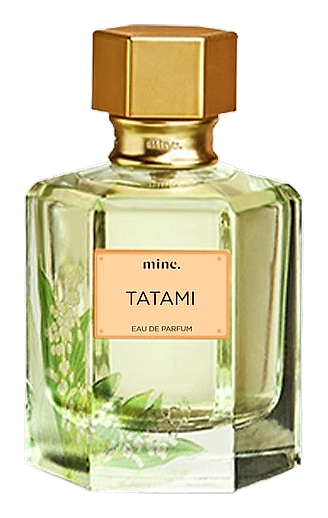
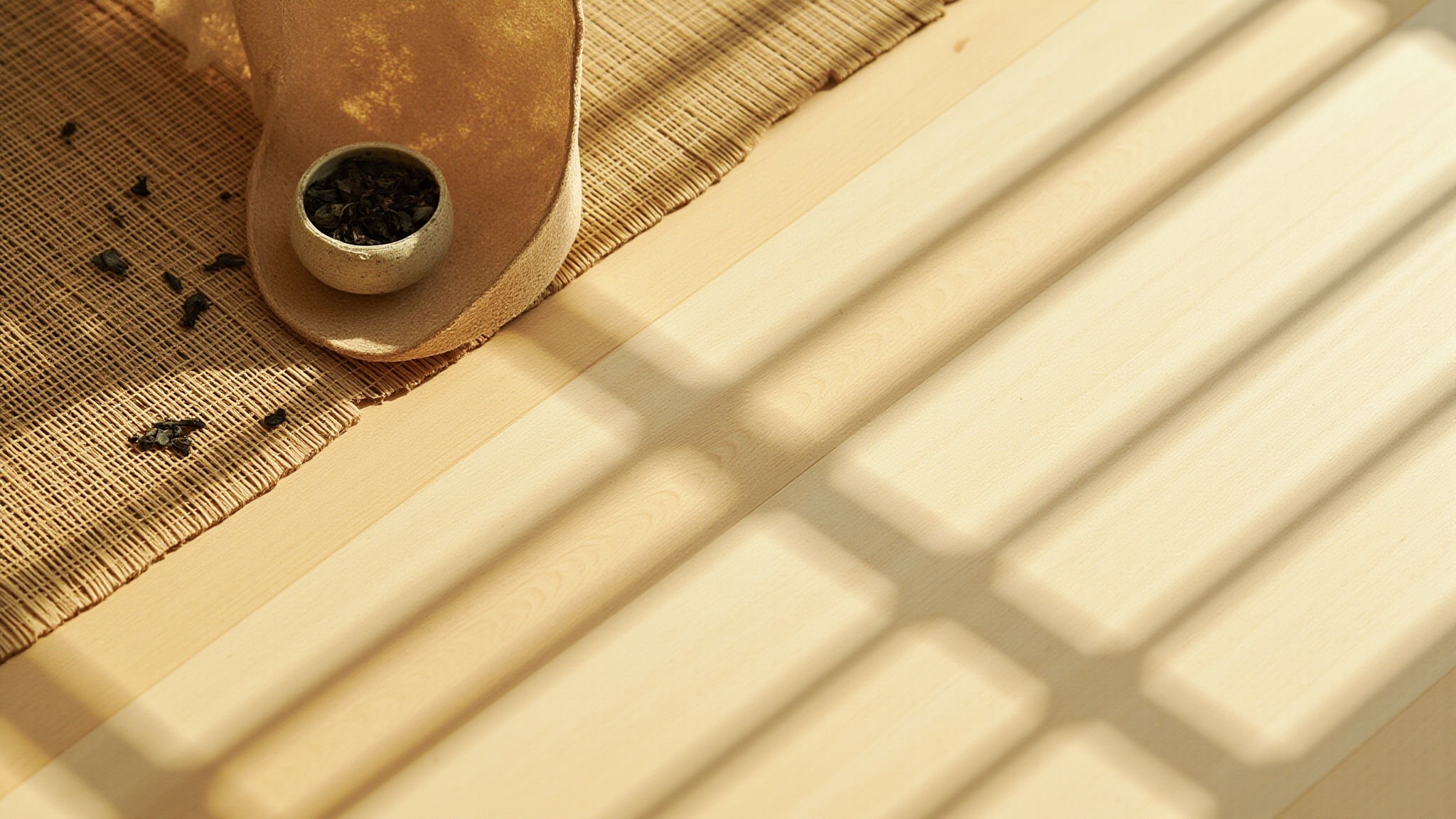
The name says everything. Tatami is the woven straw mat at the heart of Japanese interiors, a surface for sitting, sleeping, being still. Mine. Perfumery built this fragrance around that idea: what if stillness had a scent? Not silence, but the particular calm of a room arranged just so. The composition translates that into olfactory terms: tea as the meditative anchor, white florals as the bloom in an alcove, green violet leaf as the breath of air through a shoji screen.
What makes Tatami unusual is the pairing of black tea with plum. Most tea fragrances lean into the warmth of the leaf or the green brightness of a fresh steep. Here, plum softens the bergamot quality of Earl Grey, giving the opening a sweetness that doesn't announce itself, it hints. The heart is where the Japanese reference becomes most explicit: lily of the valley and peony are flowers you'd find in a Kyoto garden, not a European parterre. Together with blackcurrant, they create a florality that is clean and slightly cool, never heady. The base, violet leaf and ambrettolide, keeps the drydown grounded in green freshness rather than warmth, which is what separates this from a typical white floral.
The evolution
The Earl Grey opening lasts about 30 minutes before it cools. Plum lingers through the top phase, giving the citrus-tea combination a softness that feels less like a beverage and more like a scented space. As the florals take over, the composition shifts from aromatic to floral, but never fully leaves its tea origins behind, there's a green undertone that persists through the heart. The base is the quietest part of the fragrance, and the best: violet leaf cutting through the sweetness of the florals, ambrettolide adding a clean, almost ozonic warmth that mimics skin heated by thin cotton. It settles close and stays there. On fabric, the florals bloom briefly before fading. On skin, expect 4-6 hours of quiet presence, enough for a workday or a long afternoon.
Cultural impact
Tatami draws from the cultural weight of Japanese tatami mats, the woven straw flooring central to tea ceremonies, shoji screens, and the concept of ma, the meaningful pause in Japanese aesthetics. By naming a fragrance for this element, Mine. Perfumery positions itself within the ongoing Western fascination with Japanese craft minimalism, joining a lineage of niche houses that reference East Asian material culture. The Earl Grey note adds a British colonial layer, making Tatami a meeting point between Japanese spatial philosophy and Anglo-Indian tea history.