The Story
Why it exists.
The beginning
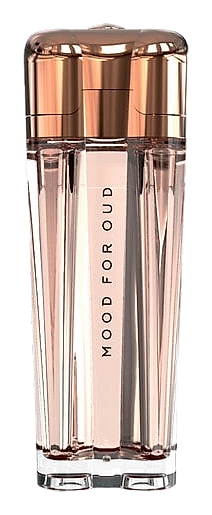
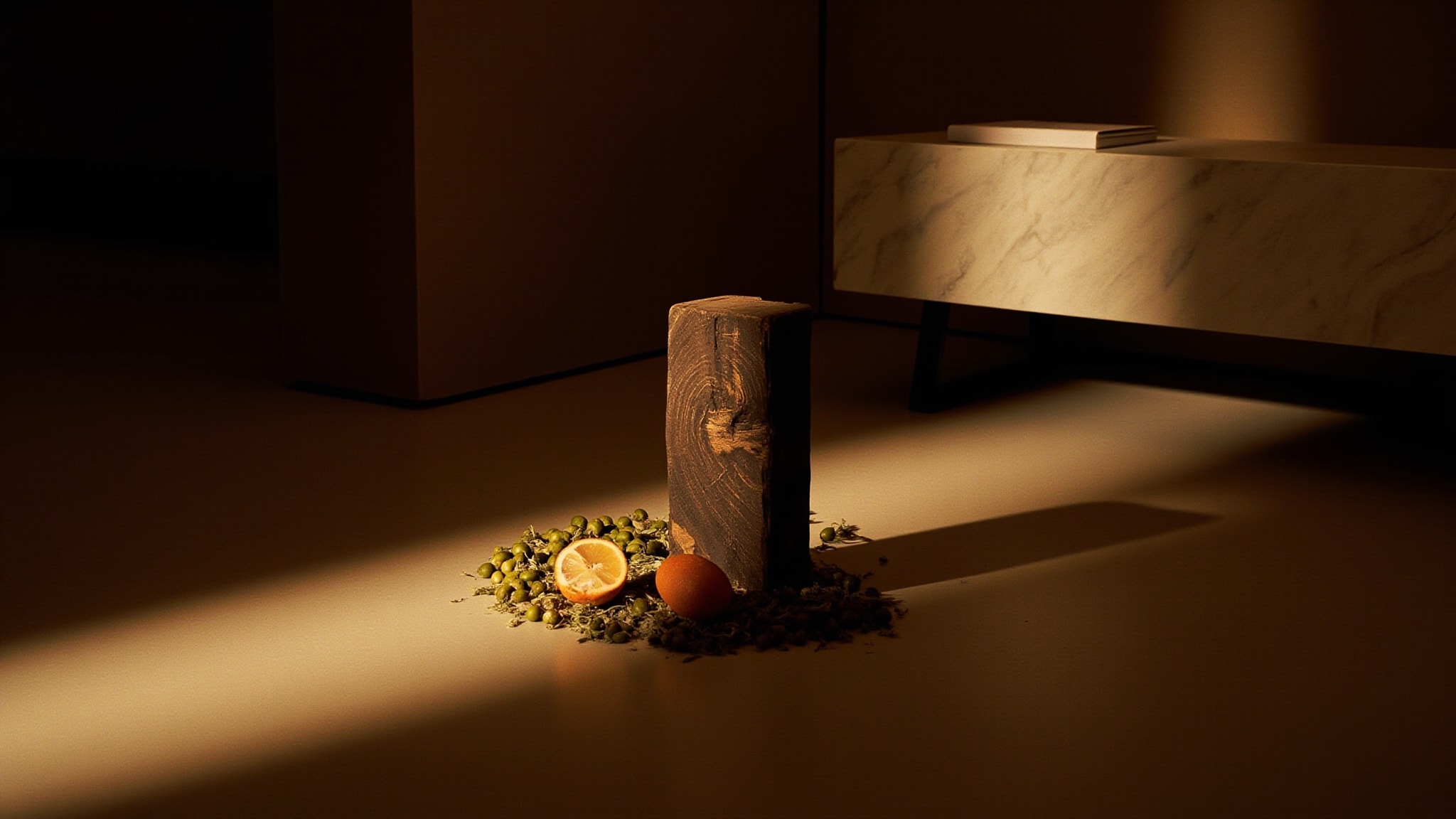
Mood For Oud launched as part of Miles Wambaugh's debut collection of five fragrances, an olfactory and pictural illusion built from a collaboration between Dominique Ropion and Jean-Louis Sieuzac on the perfumery side, with bottle design attributed to Pierre Dinand and Wambaugh himself. Wambaugh approached oud not as a luxury signal but as a visual substance, one with forms, colors, and tactile weight that could be translated into scent. The result sidesteps oud's usual tropes and rebuilds the idea from raw materials: guaiac, patchouli, amber, held aloft by bergamot and cardamom. Classified as a Woody Aromatic, the composition refuses the conventions of its category name. Ropion, working alongside Sieuzac, treats each material as a brushstroke of weight rather than a top-note flash.
The title says oud, but the formula relies on guaiac wood, patchouli, and amber to translate that idea into something wearers can actually smell. These materials carry oud's density and warmth, its sense of rootedness in something older and heavier than a citrus cologne. Coriander threads through the middle, adding a green, almost peppery snap that keeps the woods from collapsing into a single monolithic block of smoke. It's a structural approach that treats the fragrance as architecture: each note does the work of another material while sounding entirely like itself.
The evolution
The first ten minutes belong to bergamot and cardamom, sharp and lifted, the coriander lurking just behind like a suggestion of something herbal. Then the woods arrive. Guaiac comes first, smoky and resinous, followed by patchouli that reads dark and earthy rather than dusty. Amber wraps underneath, lending a low hum of sweetness without crossing into gourmand territory. As the hours pass, the composition tightens. The bright top notes recede, replaced by a close-sitting blend of dry wood and warm resin. On skin the drydown stretches comfortably through the day, the guaiac outlasting everything, leaving a faint trail of smoldering wood well into the next morning. The sillage is moderate, never announcing itself across a room, but it persists close to the body with quiet insistence.
Cultural impact
Mood For Oud occupies an unusual corner of the fragrance world. It was composed by Dominique Ropion, a perfumer with a substantial body of work in French perfumery, in collaboration with Jean-Louis Sieuzac. The result is a composition that wears quietly, refuses to perform, and rewards close attention. It appeals to wearers who prefer their fragrance to be a private statement rather than a public one. Wambaugh's background as a visual artist informs the way the scent is constructed, with each material carrying weight and presence rather than sparkle.