The Story
Why it exists.
The beginning
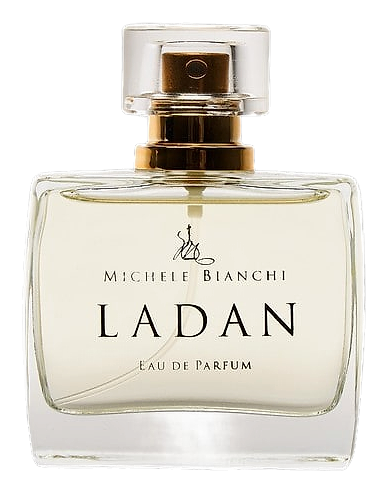
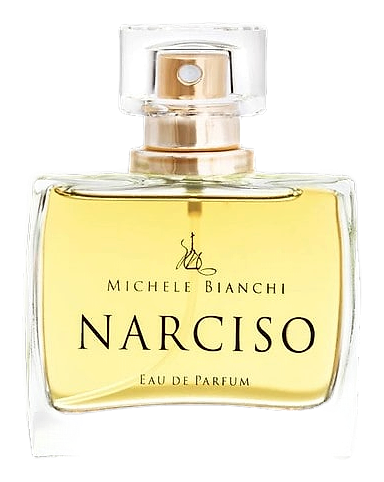
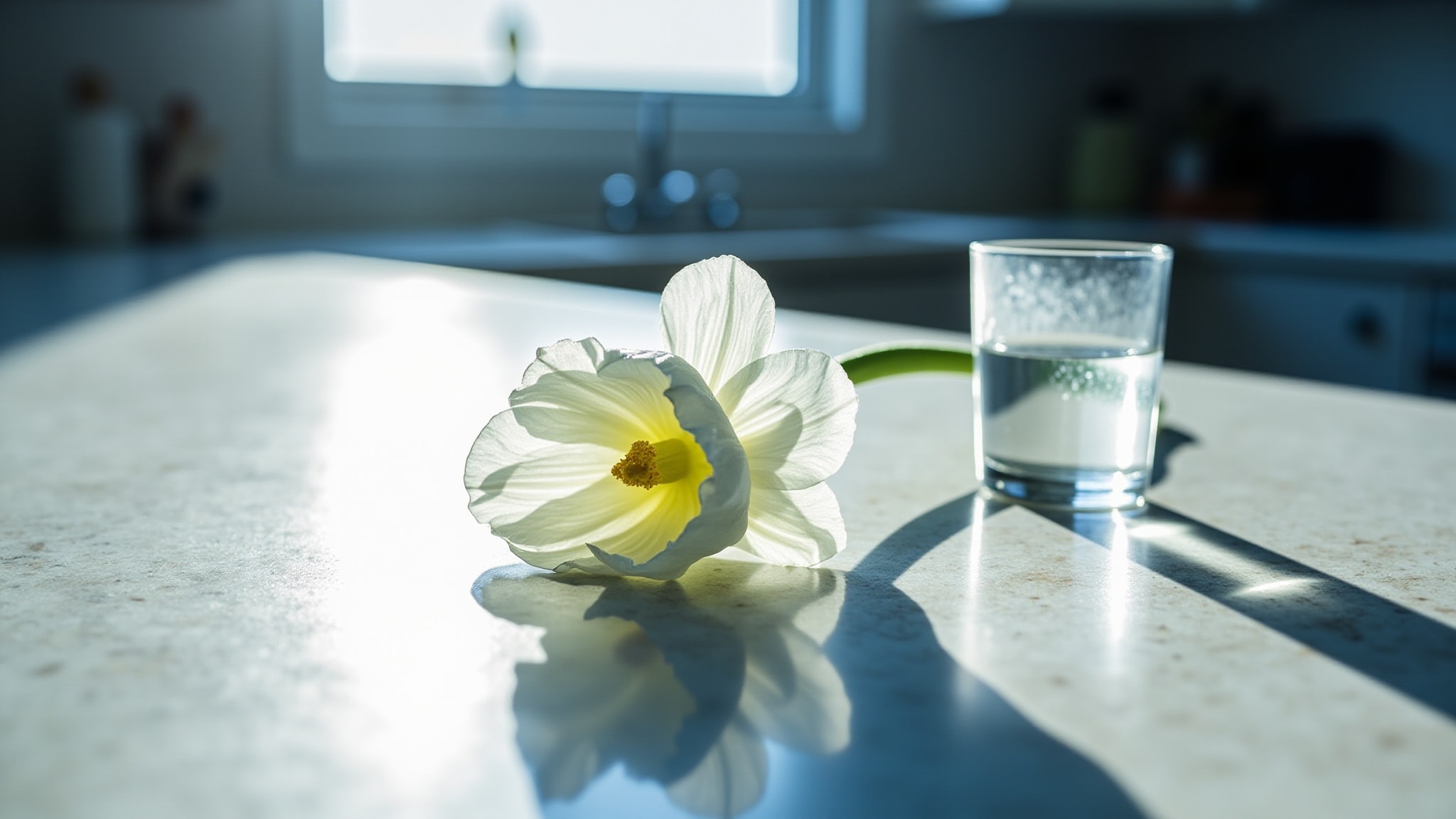
Michele Bianchi named this one for the flower itself, not the myth's vanity, but the flower's arc. Narcissus poeticus grows wild in Mediterranean meadows, blooming briefly, then fading back into the earth it came from. Bianchi wanted to track that entire journey: the cold green first breath, the full-wattage bloom, the slow return to soil. The Greek myth is there in the drydown, inevitable and quiet, not loud with self-regard. Just the echo.
Narcissus as a note is unusual. It carries a green, slightly animalic warmth, not the clean floral of rose or jasmine, but something earthier, more intimate. Pairing it with aldehydes is a calculated move: the aldehydes lift and sharpen, giving the narcissus height it wouldn't otherwise have. The galbanum and hyacinth do similar work in the opening, cold green precision, like air in early spring. Then the composition pivots: ylang-ylang's tropical richness, jasmine's honeyed warmth, and suddenly the green is gone and everything is lush and golden and almost too much. Almost.
The evolution
The aldehydes hit first, bright, metallic, like light through a window at dawn. Within minutes, the green notes push through: galbanum's sharp bite, hyacinth's cool floral snap. It smells like a field in March, before everything has fully woken up. The transition happens around the 20-minute mark: jasmine and rose arrive together, thick and warm, the ylang-ylang adding a tropical richness that almost shocks after the cold opening. The narcissus itself emerges here, earthy and animalic beneath the blooms. By hour two, the drydown takes over, vetiver's woody warmth, oakmoss's damp-earth quality. The florals fade but don't disappear. There's a sweetness left behind, faint, like memory. On fabric, the oakmoss and vetiver hold for 6-8 hours. On skin, it softens after four but never fully leaves.
Cultural impact
Narciso arrived in 2020 as a deliberate counterargument to the pastel florals and skin-scents dominating niche perfumery. Rather than chasing the safe territory of crowd-pleasing gourmand or aquatic structures, Michele Bianchi chose aldehydes, a material associated with mid-century haute couture perfumery, and wrapped them in an unusual yellow-floral-plus-earthy configuration. This combination challenges wearers to engage with materials they might recognize from vintage Chanel No. 5 but experience in a thoroughly contemporary context. The fragrance occupies an interesting cultural position: it honors classical perfumery technique while refusing to feel dated.