The Story
Why it exists.
The beginning
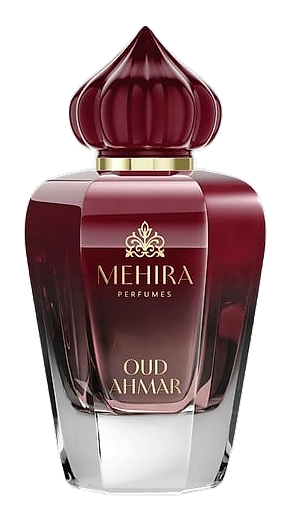
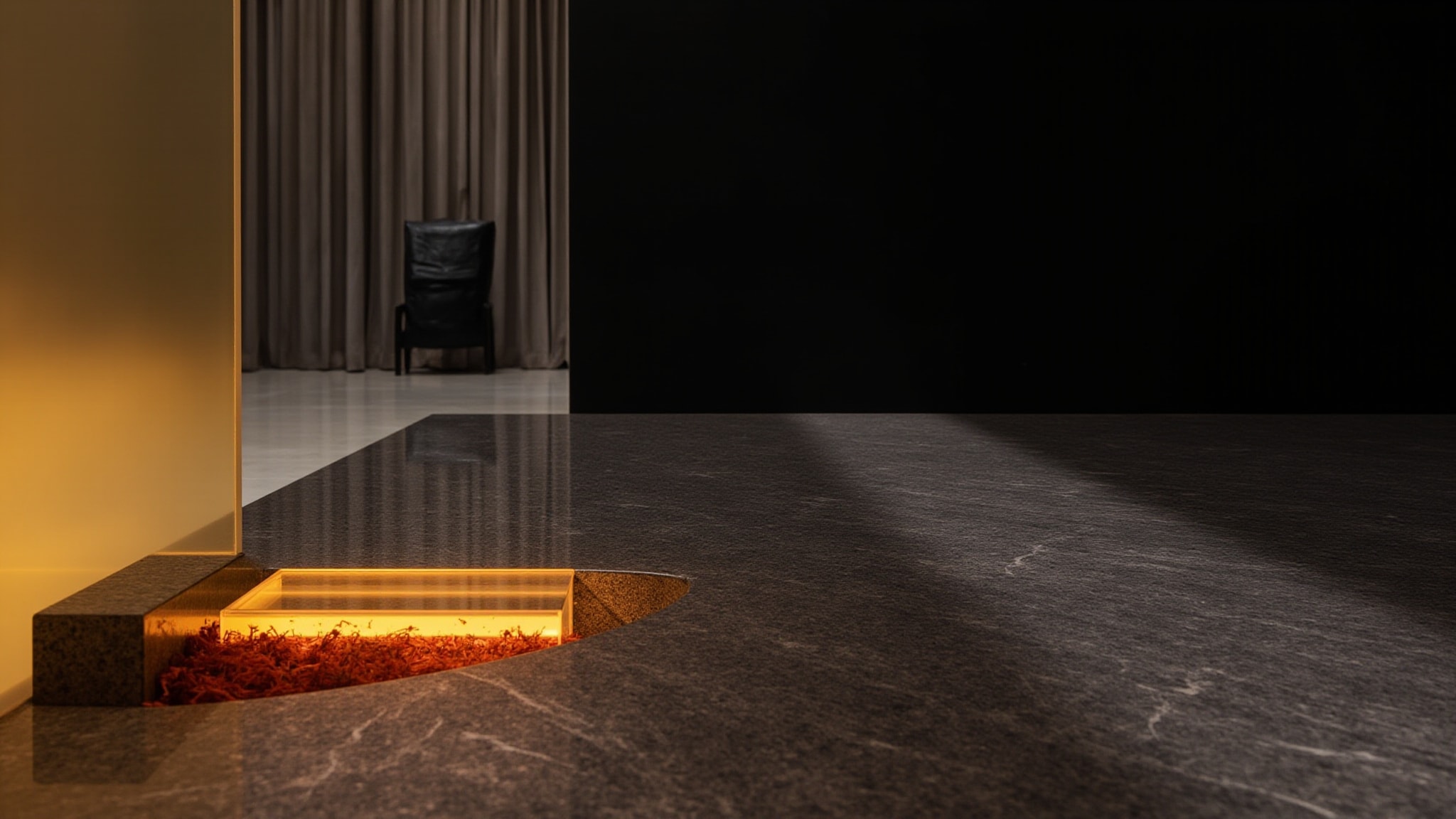
Oud Ahmar arrived in 2026 as Mehira's oud-centered debut, part of a compact collection built around three materials tied to Arabic perfumery: oud, rose, and amber. The fragrance's stated image is smoldering fire. Saffron and nutmeg intertwine with oud, frankincense, and patchouli, with a subtle leather nuance adding a polished edge to the composition. No perfumer is identified in the available research, so the intent is best read through the materials themselves: a modern, focused treatment of oud built around contrast, heat, and smoke.
The combination is interesting because oud is the anchor without being the whole story. Saffron brings a metallic, hot shimmer, while nutmeg softens the opening with warmth and a dry spice. Oud then moves the composition toward wood, shadow, and skin. Incense lifts the result into smoke, and patchouli gives the base an earthy grip. The result is familiar in its references, yet focused enough to feel like a clear point of view.
The evolution
The opening arrives with saffron and nutmeg, a bright, metallic heat that feels almost struck against the air. As the scent settles, oud takes over, bringing darker wood and a subtle leather nuance. The composition doesn't become soft so much as deeper. Patchouli and incense form the lasting base, with smoke, earth, and resinous warmth settling close to the skin. On fabric, the drydown can linger with a faint, woody trace well into the next day, while on skin it keeps a more intimate presence after the sharper opening has passed.
Cultural impact
Oud Ahmar sits within a contemporary German label's focused reading of Arabic perfumery, where the emphasis is on one central material and a deliberately compact collection. Its oud-centered profile places it in a broader fragrance culture built around dense woods, spice, incense, and smoke. Research identifies Shaghaf Oud as a related scent, but the available material does not establish wider reception or a specific cultural movement.