The Story
Why it exists.
The beginning
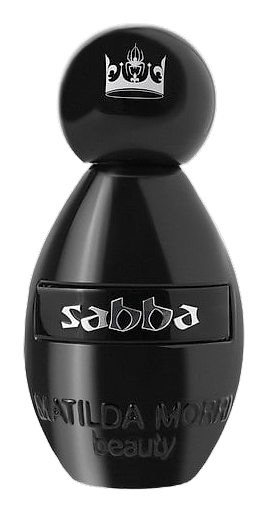
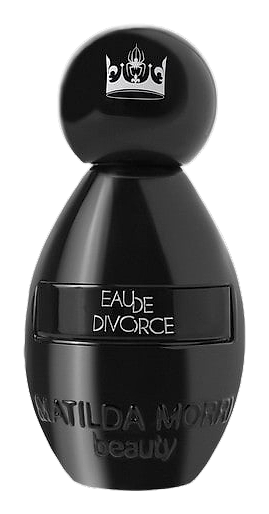
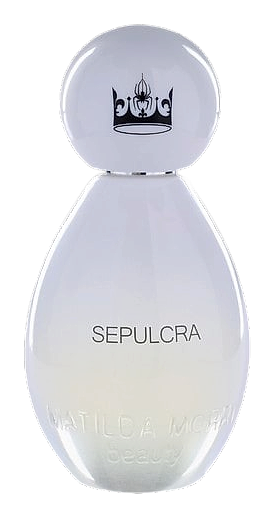
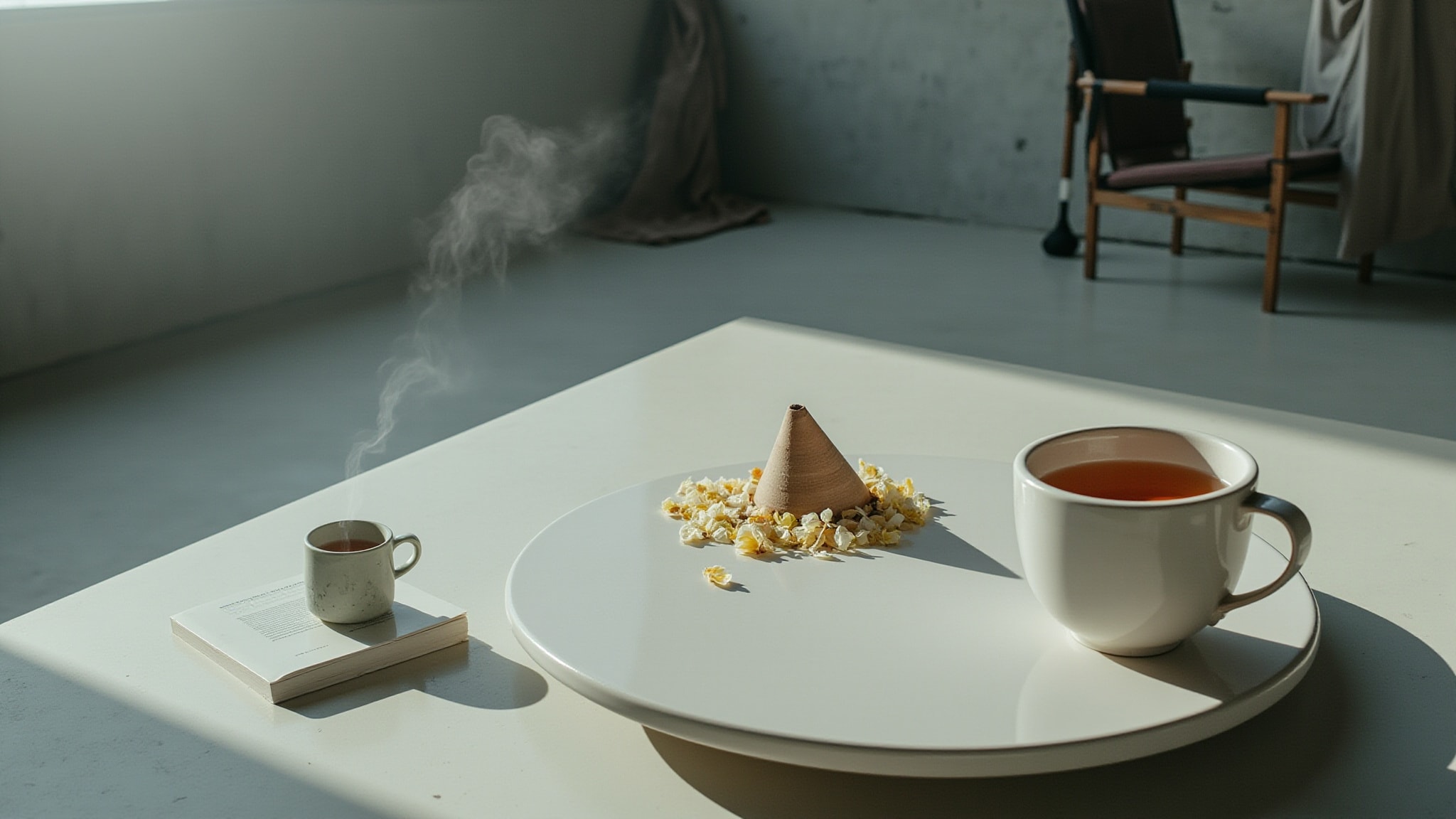
Sepulcra takes its name from the Latin word for burial place, not as morbidity, but as meditation on stillness and what endures. The house has built a following on naming things others won't: Eau de Divorce, Ready to Sex, SABBA. Sepulcra fits that lineage. Created by Lorenzo Volonté, the fragrance opens with soft chamomile and a ghostly rose, like an herbal tea cooling in a quiet room. It channels the quiet that follows, the herbal, powdery stillness that settles like light through marble.
What makes Sepulcra unusual is the chrysanthemum. In many cultures, it's the cemetery flower, the bloom you bring to remember someone. Here it becomes something else: a herbal bridge between the soft chamomile opening and the smoky depth of frankincense. The rose doesn't announce itself loudly; it softens the edges. The drydown brings benzoin's warmth, creating a lingering presence. It's not a sad fragrance. It's a contemplative one, the scent of someone sitting with a memory rather than running from it.
The evolution
It opens soft: chamomile and rose, like an herbal tea cooling in a quiet room. The rose stays subtle, almost ghostly, threading through the composition without announcing itself. Then chrysanthemum arrives, more herb than flower, and the incense begins its solo act. Frankincense dominates the heart, smoky and balsamic, its resinous depth unfolding slowly. The drydown brings benzoin's warm, creamy sweetness that lingers close to the skin. The next day, there's a faint trace, sweet, smoky, close.
Cultural impact
The cemetery inspiration treats stillness as an aesthetic rather than a flaw. Sepulcra invites wearers to explore themes mainstream perfumery often avoids. The fragrance appeals to those seeking contemplative character, suits moments of reflection rather than performance. Its herbal and powdery stillness creates a meditative atmosphere, as if capturing the quiet that settles in ancient spaces.