

The Story
Why it exists.
The beginning
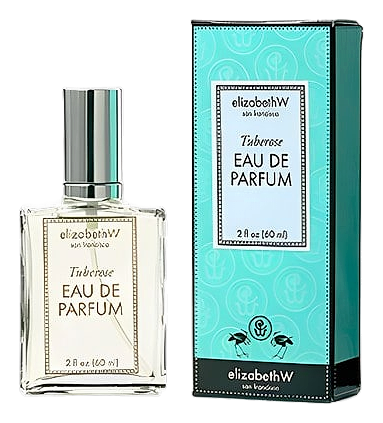
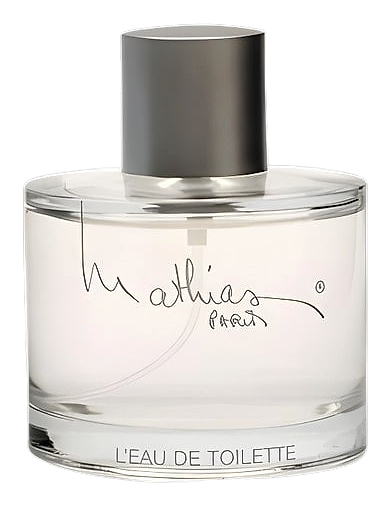
L'Eau de Tubereuse is built around a clear floral idea: tuberose, the densely petaled flower whose creamy sweetness carries a distinct green and animalic character. No named perfumer is credited in the available records, so the scent speaks for itself through its central material. Tuberose brings floral weight, a slightly provocative edge, and a natural richness that can feel both polished and expressive. Its dense petals suggest softness and warmth, while the greener facets lend the composition definition. The name says exactly what you'll find, and that directness gives the fragrance an immediate identity.
Tuberose and water notes create a useful tension. Tuberose is rarely a neutral flower; its dense petals can feel creamy, earthy, and faintly animalic, with a green stem quality that gives it realism. Aquatic notes pull in the opposite direction, suggesting moving water, cool air, and reflected light. Together, they keep the floral heart from becoming too sweet or static. The contrast allows tuberose to appear softer and more dimensional, with its creamy surface set against freshness.
The evolution
The composition moves through a clear arc of freshness and floral warmth. It begins with a light, airy impression before tuberose comes forward, its creamy white petals adding body without turning the composition heavy. As the aquatic brightness softens, the floral accord becomes more tactile and intimate, revealing the greener, slightly animalic side of tuberose. That combination gives the scent its most compelling phase: fresh enough to feel airy, but never anonymous. The water gradually recedes while the floral character remains, settling into a smoother white-floral finish that stays close to the skin. It reads as a composed everyday signature, present without taking over, and invites close attention to the flow between coolness, greenery, and creamy florals.
Cultural impact
L'Eau de Tubereuse reflects an appreciation for fragrance built around the expressive character of a recognizable plant. Tuberose contributes creamy sweetness, earthy depth, and a distinctive green and animalic edge, while aquatic notes introduce a contrasting sense of freshness and movement. The combination offers a clear floral idea that is polished yet vivid, moving naturally from cool brightness toward a softer, more intimate finish. It is a fragrance to explore for the way one flower can be presented with nuance, contrast, and a refined sense of balance.