The Story
Why it exists.
The beginning
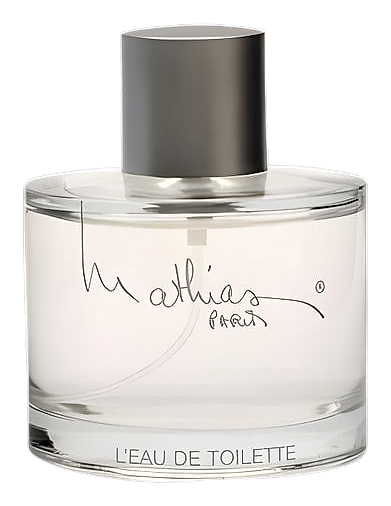
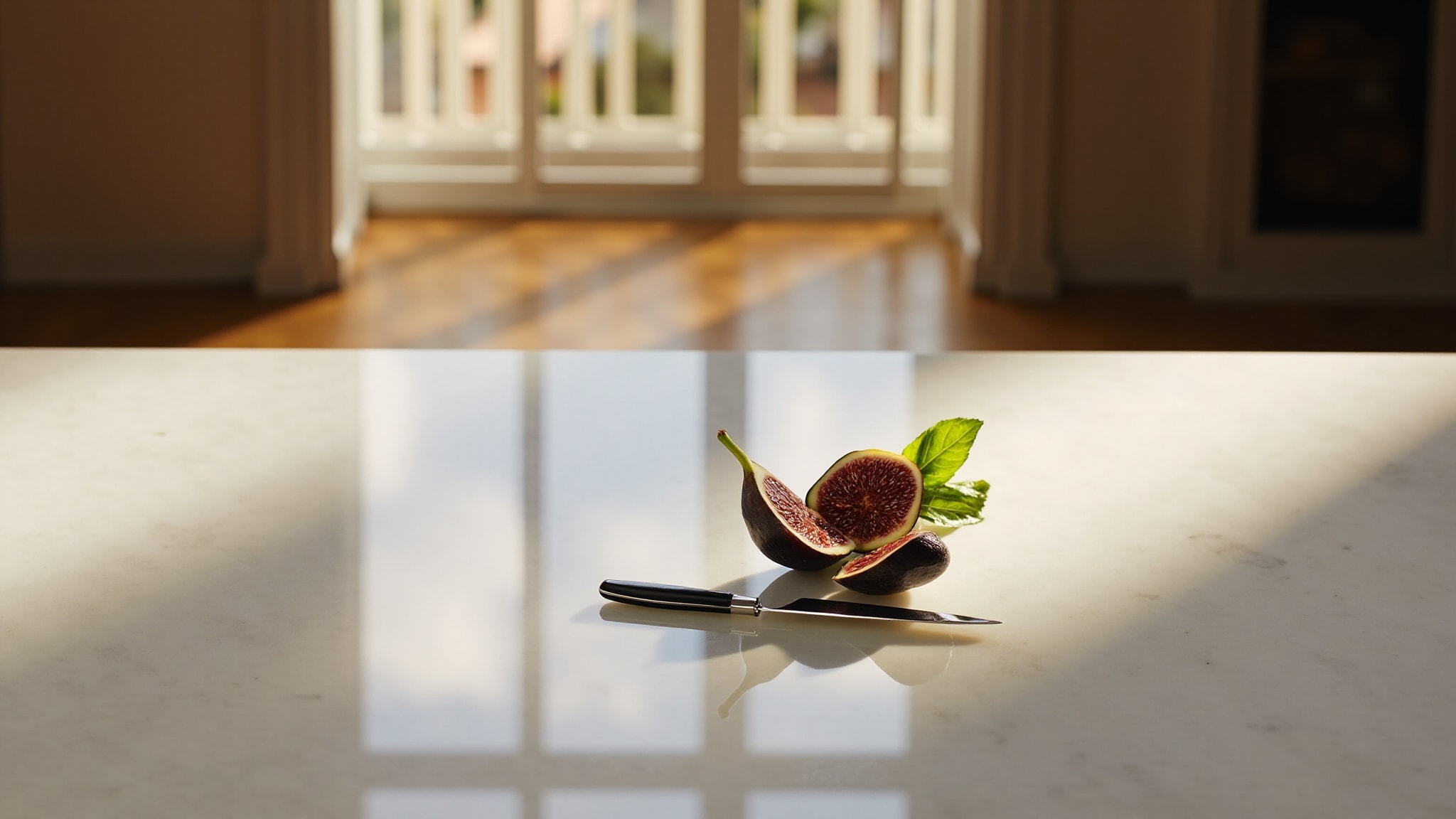
L'Eau de Figue is rooted in the fig itself, treated plainly and directly as the central reference of the fragrance. There’s no elaborate metaphor needed: the fruit supplies the name, the identity and the emotional center of the composition. Mathias Paris presents the scent through a clear botanical lens, allowing the character of fig to guide the experience from its first impression through the hours that follow. The result is neither a generic fruity perfume nor an abstract floral composition, but an exploration shaped around the contrast that makes fig so compelling: the intimacy of fruit and the elemental pull of the plant. It is a fragrance built to be noticed, to settle into its surroundings and to reveal itself gradually as its different facets come into balance.
What makes the composition worth a closer look is the tension between two very different kinds of green. One side is the fig itself, soft and rounded, carrying a sense of sweetness with a subtle bitter edge. The other is sheer foliage, the crack of a leaf and the cool shade under a tree. Put together, they pull in opposite directions. Fruit pulls you in. Green notes push you back. That resistance is the whole point, because a fig that only smelled sweet would be dessert, and a fig that only smelled green would be a garden.
The evolution
It begins close to the nose, almost conversational. The opening is fresh and lightly textured, with a broken-leaf brightness that gives the first impression a crisp, natural clarity. Fruit gradually takes hold, darker and more rounded, and the two aspects settle into a warmth that feels edible without becoming sugary. As the composition develops, the leafy quality moves through it, giving the fig greater definition and preventing the scent from collapsing into a simple juicy accord. The fruit softens, but it doesn't turn into syrup or a powdery shadow. Instead, it dries back toward the plant, and what stays close to the skin is a green, woody trail with only a memory of sweetness rather than sweetness itself. Later in the wear, the fragrance is quieter and more textured, closer to stem and leaf than pulp.
Cultural impact
L'Eau de Figue occupies an appealing place within the world of fig fragrances, bringing the fruit into focus without relying on a famous-house name or a heavily elaborate presentation. Its distinction comes from the plain botanical naming and the directness of the central idea. That directness gives the composition an approachable character, inviting attention toward the fig itself and the changing relationship between fruit and greenery. It sits comfortably beside garden scents for people who prefer their fruit with the leaf still attached.