
The Story
Why it exists.
The beginning
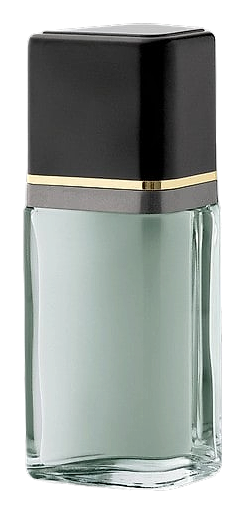
Tribute for Men arrived in 1991, a time when men's fragrances were sorting themselves into two camps: the bold powerhouses built to fill a room and the lighter, safer options that polite company seemed to expect. Mary Kay chose neither extreme. Instead, the brief appears to have been something more honest: a scent that worked as hard as the person wearing it, without asking for attention it hadn't earned. The aromatic-woody family offered the right vocabulary, herbs, citrus, and a grounding base that could carry a man through a full day without renegotiating itself halfway through.
What makes the structure interesting is how the heart resists the top. Bergamot and lemon open bright and almost clinical, that sharp morning clarity, but clary sage arrives with a green, slightly wild edge that undercuts the polish. Lavender could have gone either way: soothing or old-fashioned. Here it threads between the two, a bridge from the crisp opening to the earthier close. The base of patchouli and cedar is textbook masculine but never loud, these materials age differently than the synthetic aquatics that were starting to dominate the era, developing warmth rather than fading into noise.
The evolution
The opening hits immediately, citrus bright, a little sharp, lemon pressing ahead of the bergamot. It reads like morning: efficient, purposeful. Twenty minutes in, the clary sage arrives and shifts the register. Not softer, exactly. More textured. The lavender settles alongside it, and suddenly the top's clean brightness has somewhere to live, it's not just bright anymore, it's herbal and grounded too. By the second hour, the base takes over. Patchouli provides the depth, earthy, slightly dark, while cedar adds a dry woody warmth that prevents anything from going heavy. The drydown holds close to the skin from hour three onward. Moderate sillage means you smell it more than anyone else does, which is the point. Lasts a full workday on most skin types, quieter and warmer by evening, occasionally detectable on fabric the next morning.
Cultural impact
Tribute for Men occupies an interesting middle ground in the aromatic-woody family, it's too distinctive to be generic, too steady to be a statement piece. Wearers who return to it tend to describe it as the fragrance that became a default, chosen not for excitement but for reliability. Compared to contemporaries like Guy Laroche Drakkar Noir or Azzaro pour Homme, it sits on the quieter, more approachable end of the spectrum. It never achieved the cult status of those fragrances, but it earned something rarer: people who wore it for years without ever feeling the need to switch.