The Story
Why it exists.
The beginning
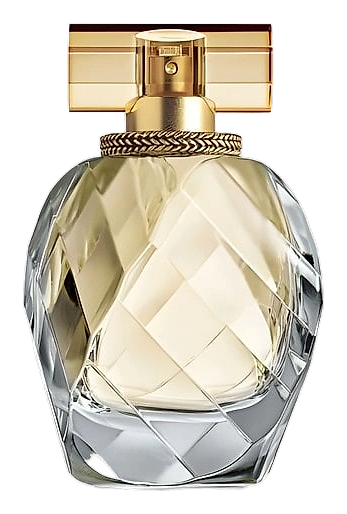
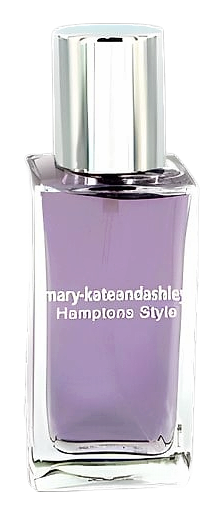
By 2007, the Olsen sisters had already proven they weren't interested in the typical celebrity fragrance playbook. Their first scents arrived in 2003, but Hamptons Style marked something more deliberate, a fragrance named for a place that meant something specific. The Hamptons isn't just a location. It's a state of mind: white sand, golden afternoon light, the kind of wealth that doesn't need to announce itself. Sonia Constant composed this one for the space between the beach and evening. Not transformation. Proximity.
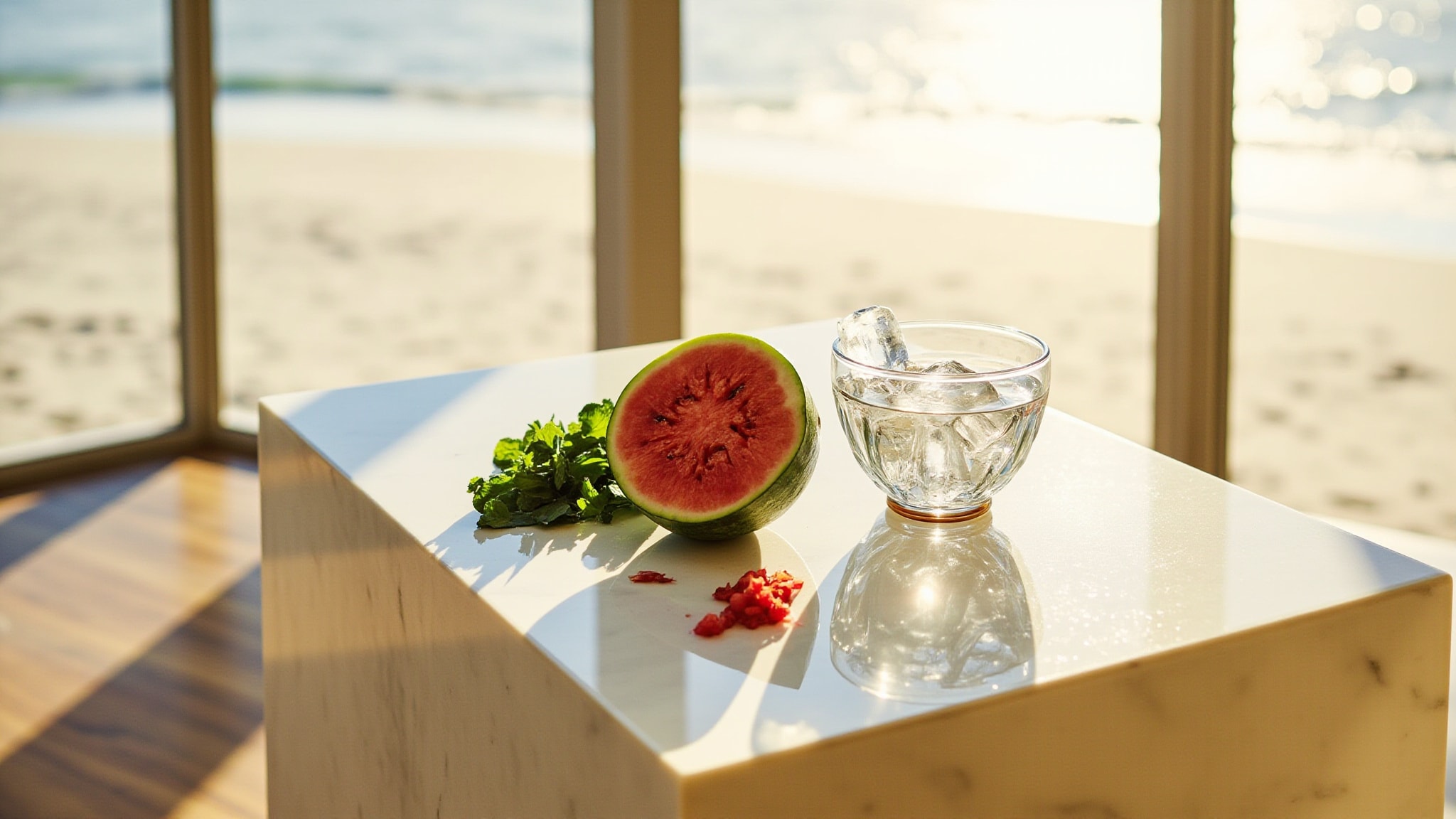
What makes this composition work is its restraint. Watermelon could go candy. Mint could go antiseptic. But Constant grounded both in driftwood and white musk, the kind of materials that smell like skin, not product. The heart of peony and orchid adds femininity without sweetness overload. It's a warm-weather fragrance that doesn't beg for attention. The ozonic and aquatic accords reinforce that coastal feeling without tipping into synthetic beach-bar stereotype. This is a fragrance that knows what it is and never overreaches.
The evolution
It opens bright and immediate, watermelon first, then the mint arrives like ice cubes in a glass. Thirty minutes in, the hibiscus adds a tropical edge that keeps things interesting. By the second hour, peony and orchid have settled into something softer, the mint still present but less sharp. The drydown is where driftwood and white musk take over, quiet, clean, close to the skin. On fabric, the watermelon lingers longest. On skin, the mint holds on. The whole arc takes about five hours on most people.
Cultural impact
Hamptons Style occupies a specific space in celebrity fragrance history, the era when A-listers were still releasing playful, location-themed scents rather than high-concept artistic statements. It's been compared to Chloe Eau de Parfum and Dolce&Gabbana Light Blue, though it skews softer and more intimate than both.