The Story
Why it exists.
The beginning
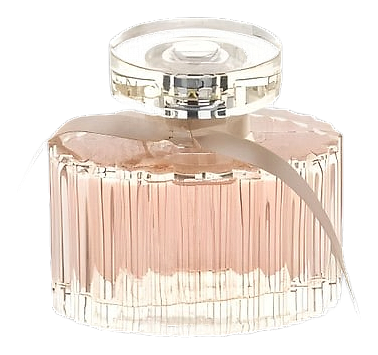
Enchant arrived in 2010, part of Marks & Spencer's quiet expansion into private-label fragrance. The retailer had been testing scent products since 2000 and by this point understood something valuable: not everyone wants to decode a pyramid before buying. The name says it all. Enchant was designed to make fragrance feel approachable, not intimidating, not expensive, just pleasant and wearable and slightly more interesting than whatever was sitting on the shelf next to it. The brief seemed to be: capture that moment of discovery, the one that makes you think yes, this is the one, without requiring a perfumery degree to get there.
The composition relies on a trick that's harder to execute than it looks: keeping florals soft without letting them disappear. Hibiscus and freesia can skew sharp in the wrong hands. Here, white amber acts as a moderator, smoothing the edges, adding warmth, preventing the whole thing from reading as generic aquatic. The mimosa does something similar from the floral side, bringing a honeyed richness that grounds the brightness. It's the kind of balance that gets dismissed as "mainstream" until you realise how many mainstream fragrances get it wrong.
The evolution
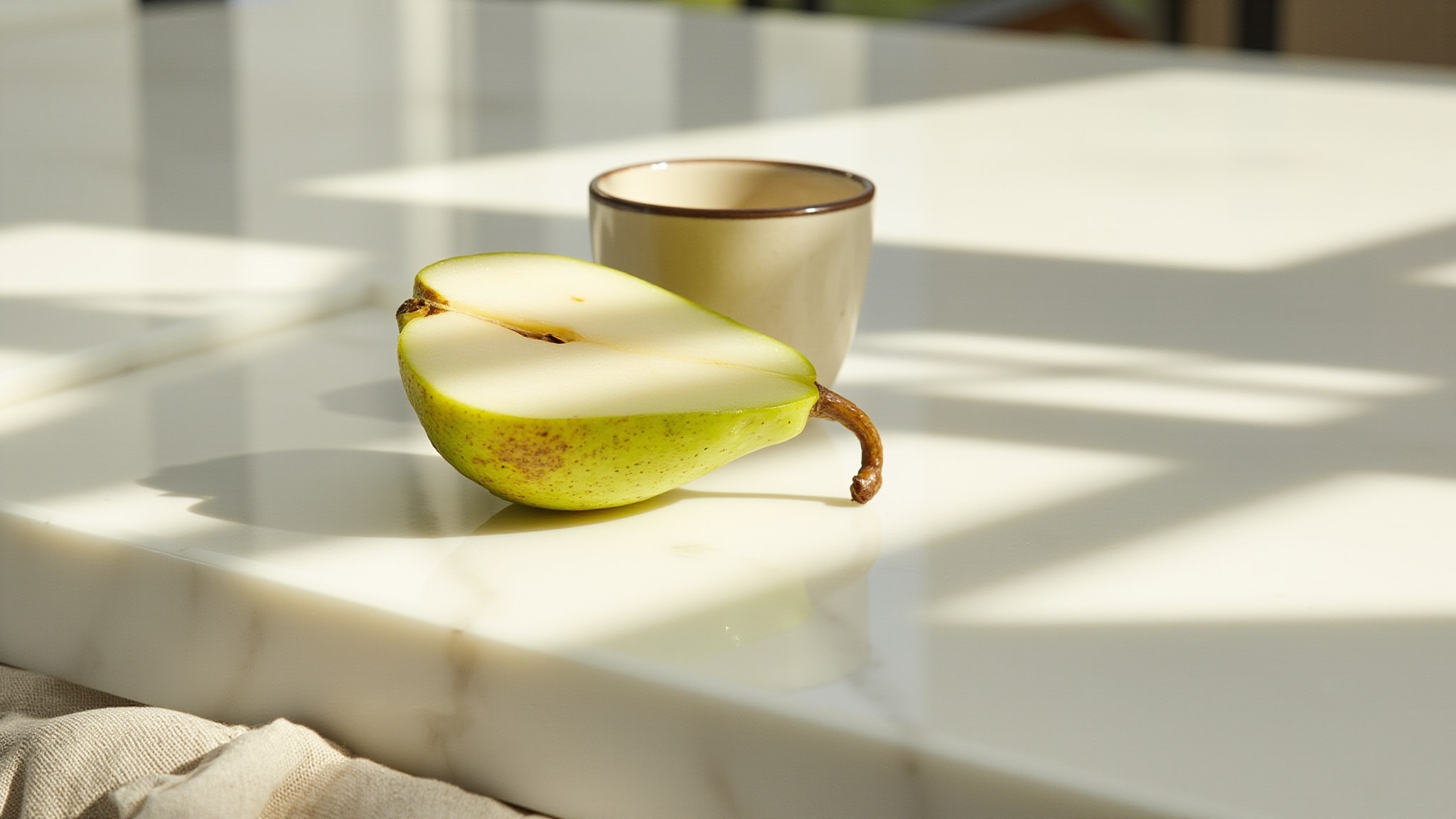
The opening is immediate and friendly. Pear dominates, backed by the green sweetness of black fig, a pairing that reads as fresh without going citrus-sharp. It lasts maybe 15 minutes before the florals announce themselves. Freesia comes in first, clean and slightly soapy, then hibiscus adds a whisper of tropical tartness. The transition is smooth, no rough handoffs. By hour two, mimosa has taken over the heart, its powdery warmth softening everything. The drydown is the quietest part, white amber and sandalwood hovering close, barely there, the kind of thing you catch when you lift your wrist to your nose without thinking. It doesn't project much after hour four, but what remains is pleasant enough that you don't resent it.
Cultural impact
Enchant exists in a particular niche: the fragrance someone buys when they want something nice but aren't deeply invested in perfumery. It's not trying to be a statement or start a conversation. It's the scent a person reaches for on a Tuesday morning when they want to smell good without thinking about it. The floral-fruity genre is crowded, but Enchant earns its shelf space by doing the basics well rather than reaching for complexity it can't support.