
The Story
Why it exists.
The beginning
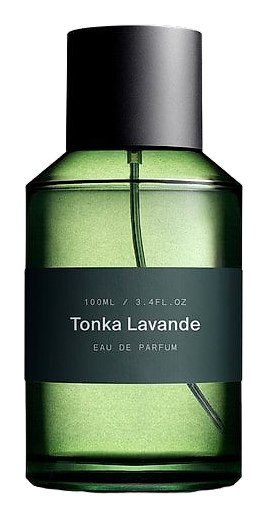
Sidonie Lancesseur built this around a simple tension: French lavender is magnificent, but it can dominate. The tonka bean doesn't mute it, it gives the lavender somewhere to rest. Launched in 2021, Tonka Lavande is the house's answer to anyone who loves lavender but wants it to breathe. Not a subdued lavender. A composed one.
What makes this work is the rosemary. It keeps the opening honest, green, slightly camphoraceous, nothing sweet about it. Then the bergamot adds a citrus brightness that lifts the whole start before the lavender settles in. The tonka bean doesn't arrive until the drydown, when the almond warmth finally surfaces against the vetiver base. It's a slow reveal, not a trick. The house calls it gourmand, but that's generous, there's more herb than sugar here.
The evolution
The bergamot hits first, bright and citrus-sharp for about fifteen minutes. Then the rosemary pushes through, green and clean, and the two start negotiating. By the thirty-minute mark, the lavender arrives, not as a wall, but as a gradual presence that softens the rosemary's edges. The sage keeps everything calm. The cedar adds structure without adding weight. You get four hours of this before the tonka finally surfaces, warm and powdery, tucking itself under the vetiver. On fabric, the drydown can last into the next day. On skin, plan for six to eight hours before it quietens to a skin-close whisper.
Cultural impact
Lavender carries significant historical weight in perfumery, from classic masculine fougères to modern aromatics, yet its associations have often kept it confined to narrow gender expectations. Tonka Lavande navigates this legacy by treating lavender as an approachable, gender-neutral material rather than a traditional marker of masculinity. The tonka bean and vetiver base adds a softness that broadens its appeal beyond conventional aromatic fragrances, positioning it within a lineage while carving its own space. In the post-2020 cultural moment, when consumers have increasingly sought gender-fluid and unconventional scent profiles, this approach reflects a broader shift away from masculine-coded aromatic fragrances.