
The Story
Why it exists.
The beginning
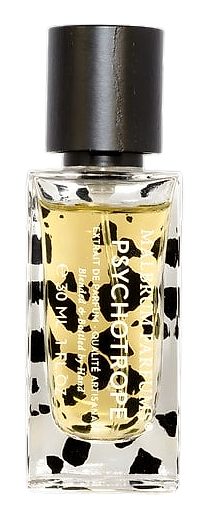
The name says everything: psychotropic, a substance that alters perception, reshapes thought, changes what you notice and how you notice it. Delphine Thierry designed Psychotrope to mirror that transformation, translating the mechanics of altered consciousness into scent architecture. The opening doesn't invite. It jolts. And what comes after depends entirely on how you meet it. Released in 2015 as part of Malbrum's Vol. I: Alchemy Studies, the fragrance invites wearers into a space where familiar reference points dissolve and something stranger takes their place. It's a scent that demands attention without asking for permission, working through contrast and unexpected combinations to arrive at something that feels simultaneously alien and intimate.
What makes Psychotrope structurally unusual is the combination of cypress with allspice and saffron. The cypress brings an aromatic, almost coniferous sharpness that acts as the initial trigger. The allspice provides the warmth underneath, keeping it from feeling cold or clinical. The saffron, present in the heart, adds a honeyed, slightly medicinal amber that bridges the opening to the resinous drydown. It's a composition that works against expectations: just when you think it's going one direction, it pivots. That tension is the whole point.
The evolution
The opening arrives sharp and green, almost medicinal. Cypress and allspice arrive together, their combined intensity demanding immediate attention. Elemi smooths the transition, keeping it from becoming harsh, preventing the sharpness from overwhelming the senses. Then incense and gurjan balsam take over. The heart is smoky, resinous, meditative. Saffron adds a faint honeyed quality without sweetening it. This middle phase is where the fragrance earns its name, a period of quiet intensity that unfolds across the wearer's experience. The drydown arrives quiet: sandalwood and styrax create a creamy, slightly balsamic warmth. Cedar holds the structure underneath. Ambergris lingers. On skin, it becomes intimate, something you'd only notice if you're close.
Cultural impact
Psychotrope occupies a specific corner of the niche market. The resinous-spicy orientation places it in the company of bold compositions like Nasomatto's Duro Extrait de Parfum, though Psychotrope's Nordic influence gives it a cooler, more restrained character. The scent profile speaks to those who appreciate complexity and aren't satisfied with straightforward sweetness or linear development. It asks something of its wearer, expecting engagement rather than passive appreciation.