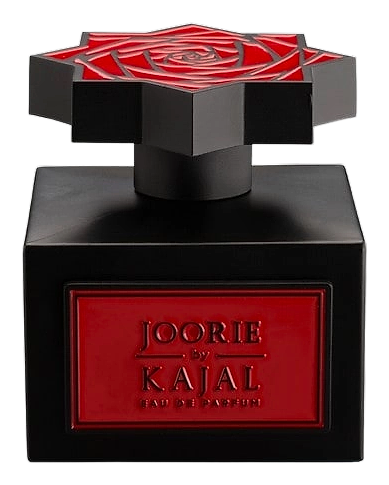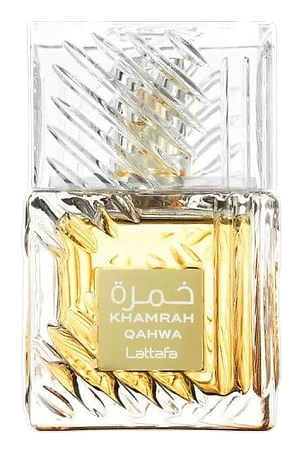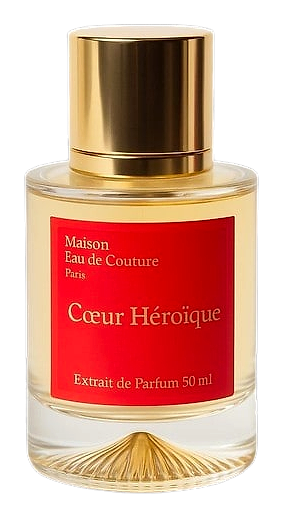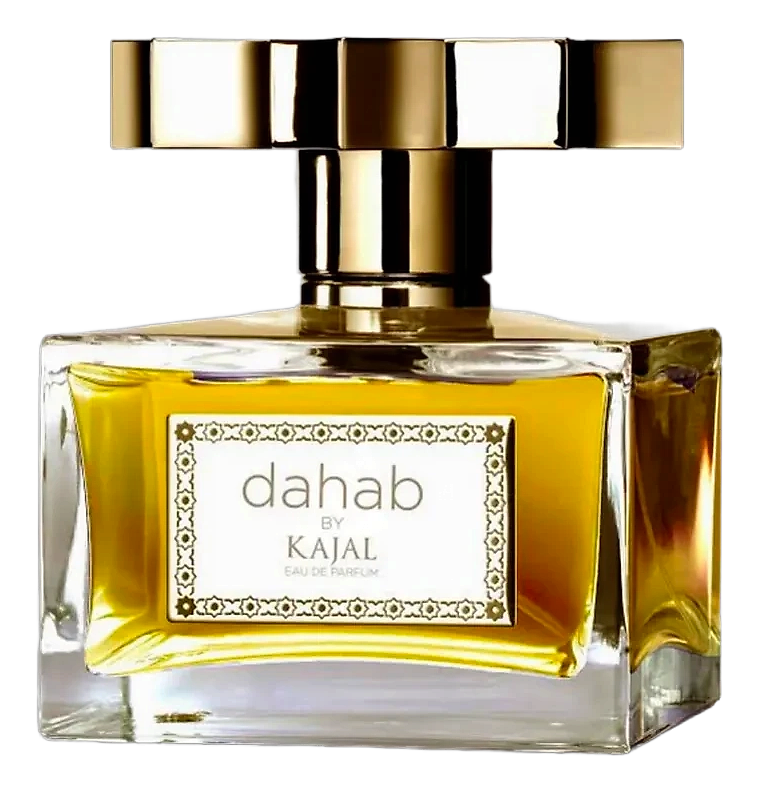
The Story
Why it exists.
The beginning
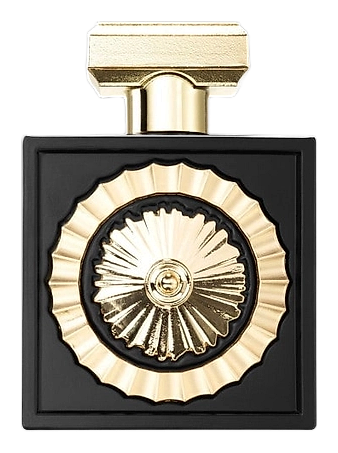
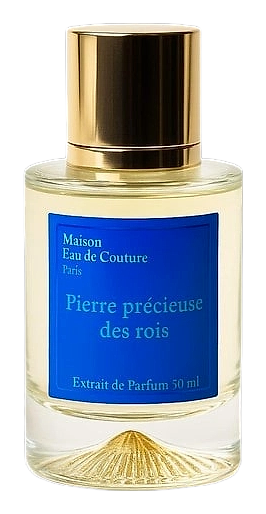
Maison Eau de Couture, founded in France in 2018, built its identity around restraint and narrative subtlety, approaching scent as storytelling without excess. Pierre Precieuse Des Rois draws its name from the precious stones once set in French royal crowns, and the house wanted that regal weight to translate into the juice itself. Perfumer Nejla Barbir worked with black sugar as a base material, selecting it specifically for its ability to evoke both indulgence and rarity. The brand's philosophy demands that every ingredient earn its place, and Barbir chose oud not for shock value but for the architectural support it provides to sweeter materials. This is a fragrance about authority, constructed carefully for someone who understands restraint as a form of luxury.
Nejla Barbir's choice of black sugar as a primary material reflects a specific philosophy about sweetness. Where many fragrances use sugar as an afterthought or a simple hook, Barbir treats it as a structural element, one that demands the presence of oud to keep it honest. Patchouli and bergamot function as mediators, ensuring that the opening does not become a one-note spectacle. The amber in the drydown represents the final statement of intent: warmth without heaviness, sweetness without aggression. Each material justifies its presence by supporting the others, which aligns with Maison Eau de Couture's broader commitment to narrative coherence in fragrance composition.
The evolution
The opening hits with immediate intention. Black sugar presents its dark, almost molasses-like sweetness without apology, while oud simultaneously delivers the smoke and resin that prevent the sugar from reading as mere dessert. There is no gradual introduction here. Both materials arrive together and establish the fragrance's character within seconds. The heart introduces bergamot as a corrective, its sharp citrus pulling focus away from the density below. Patchouli then settles into the composition, adding earthiness that grounds the bergamot's brightness and prepares the wearer for the warmth to come. By the time amber arrives in the drydown, the fragrance has completed its journey from confrontation to calm. The amber does not overwhelm but rather blankets everything that came before it, allowing traces of oud smoke and bergamot brightness to persist at the edges. It is a drydown that asks to be discovered rather than announced.
Cultural impact
Indonesian oud has long been a cornerstone of regional perfumery, prized for its deep, resinous character that conveys both reverence and mystery. Historically, it was used in ceremonial rites, royal courts, and as a symbol of status, linking scent to cultural identity. Modern creators draw on this legacy, blending oud with contemporary accords like black sugar to bridge tradition and innovation, allowing wearers to experience a piece of heritage while navigating today’s social scenes. This interplay of past and present underscores the perfume’s cultural resonance, inviting reflection on how scent can echo communal memory and personal expression.