Black Sugar
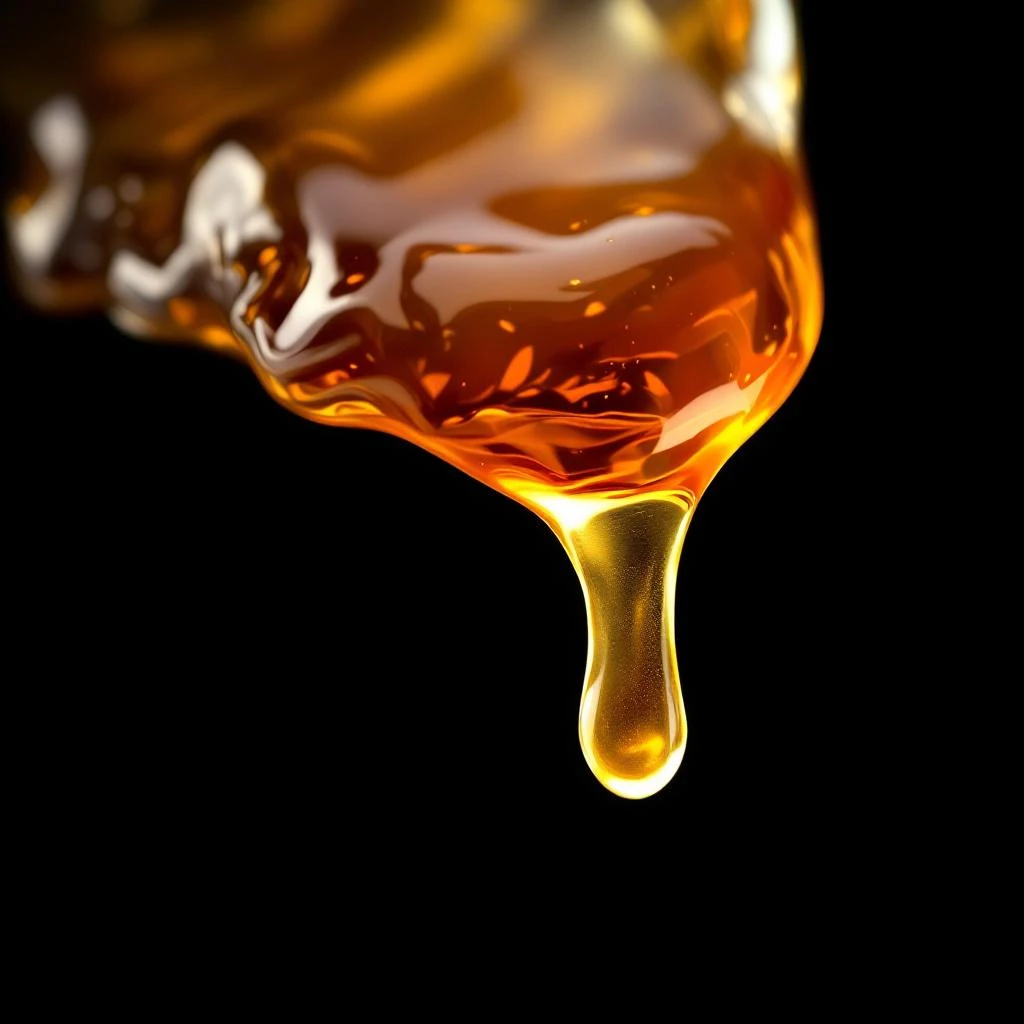
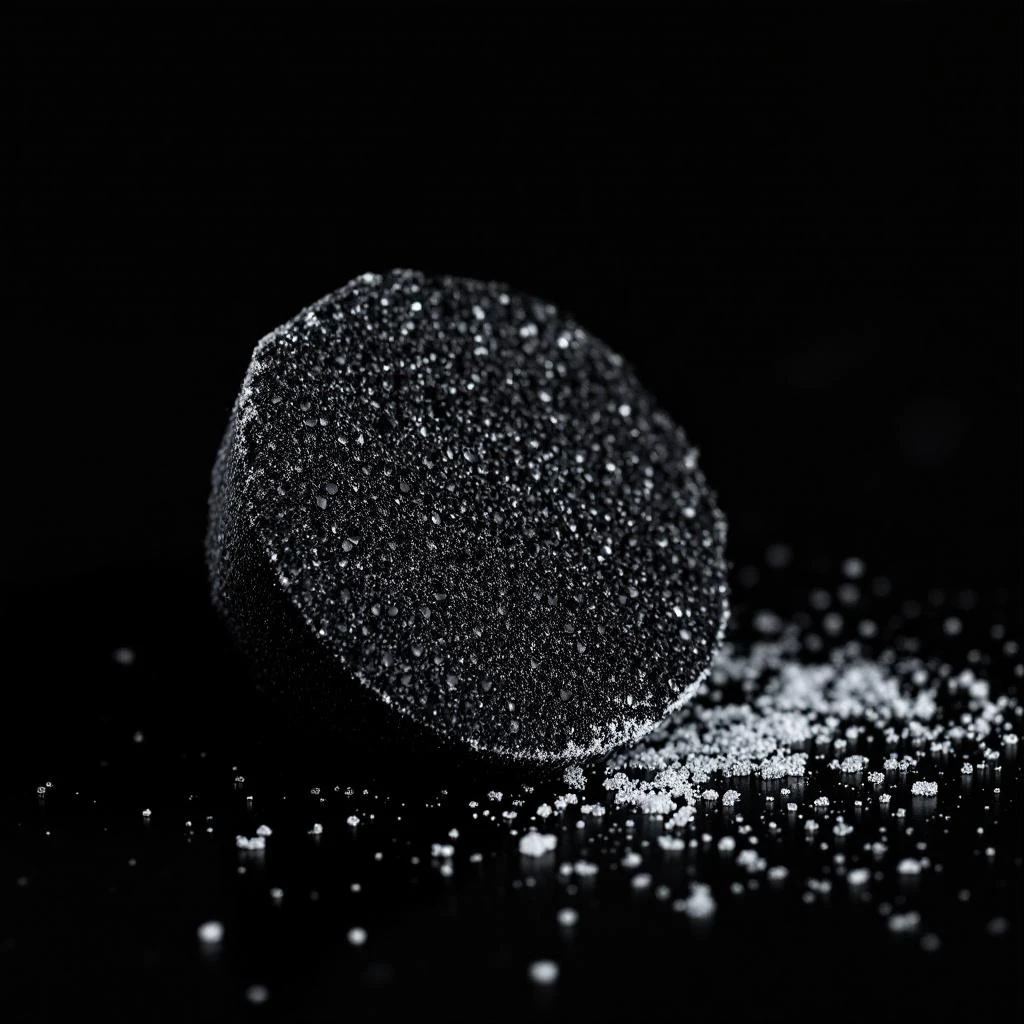
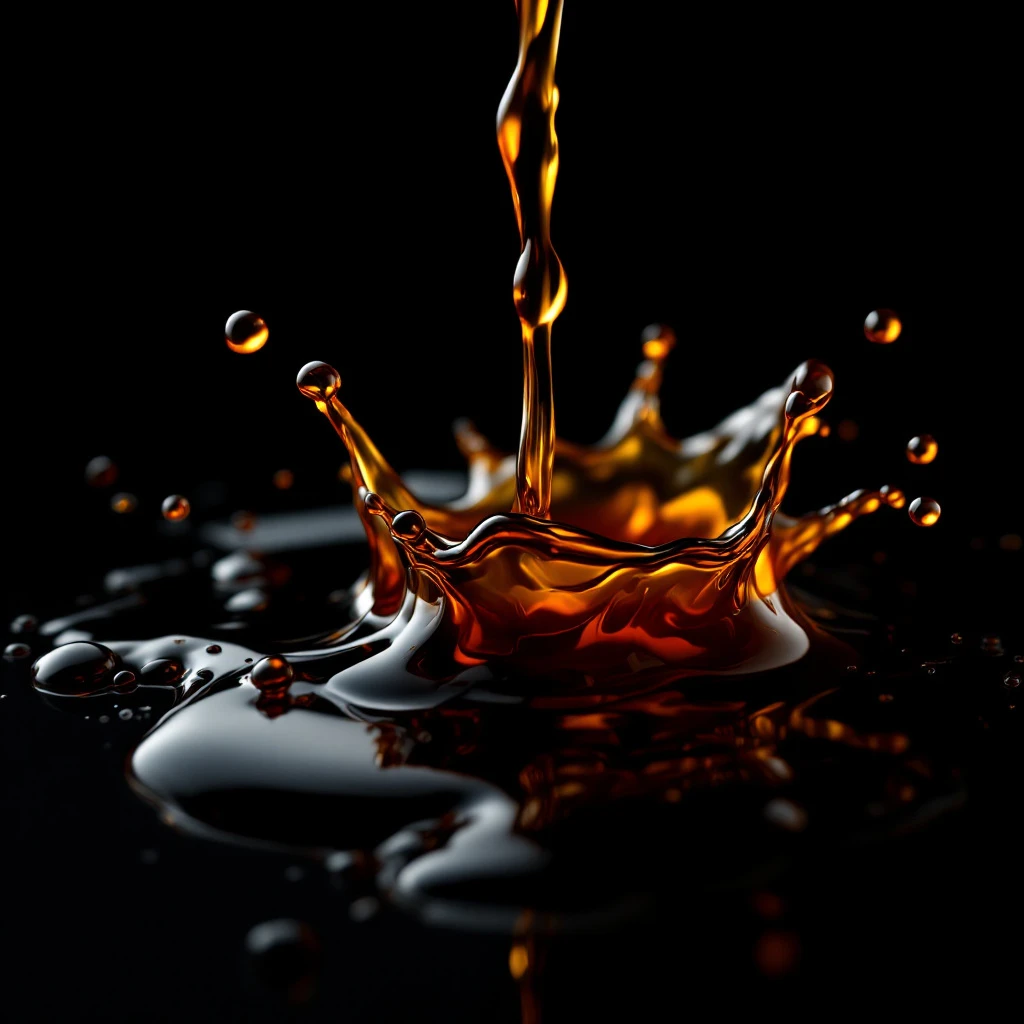
Black sugar offers a deep, caramelized aroma that blends sweet, burnt sugar nuances with a faint hint of toasted spice, creating a rich backdrop for modern fragrance compositions.
Character
How it smells
Sweet depth, caramel fire.
The key molecule behind black sugar’s scent, ethyl maltol, is produced in volumes exceeding 1,000 metric tons each year, making it one of the most widely manufactured aroma chemicals worldwide.




Origin
India
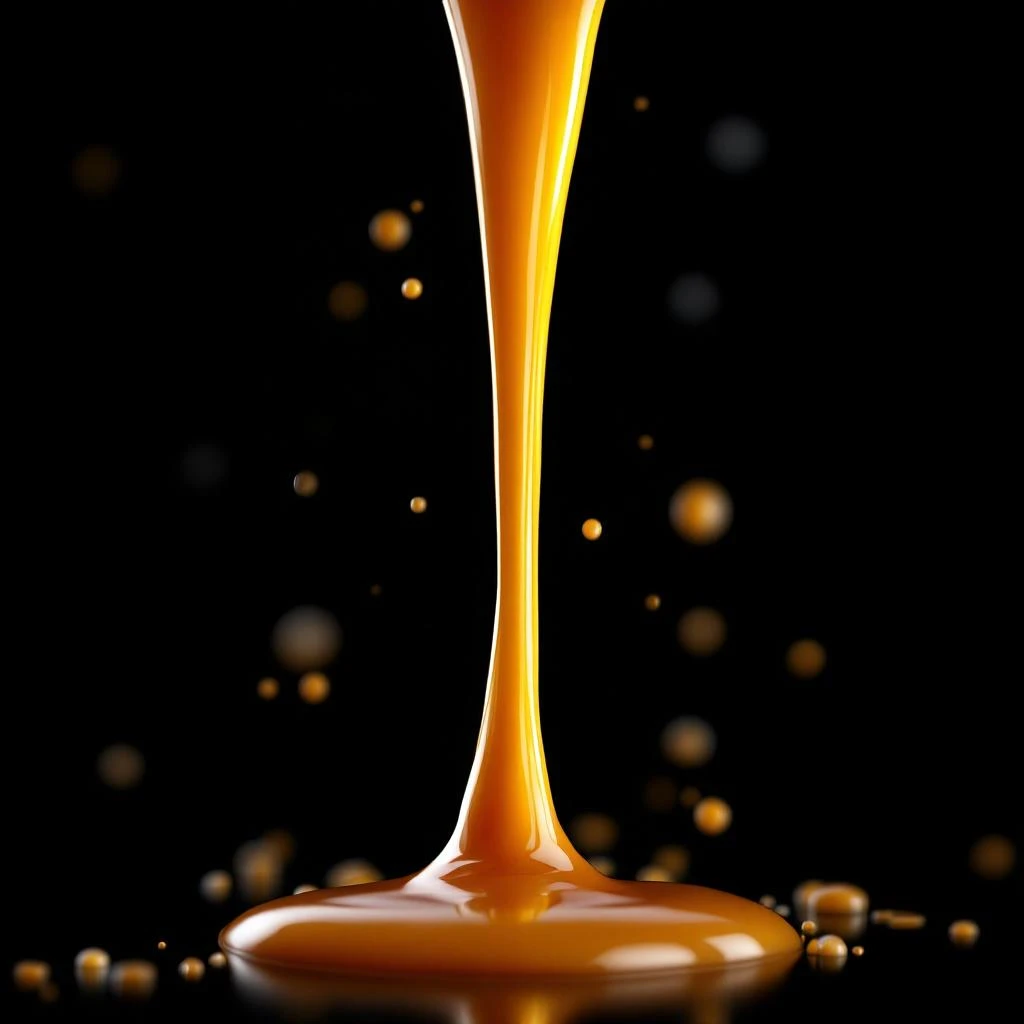
Caramelized sugar has flavored perfumes since antiquity, with early Middle Eastern sweet pastes used in temple offerings. By the 19th century, European perfumers began experimenting with heated sugar to create richer scent layers, noting the emergence of a burnt sugar aroma.
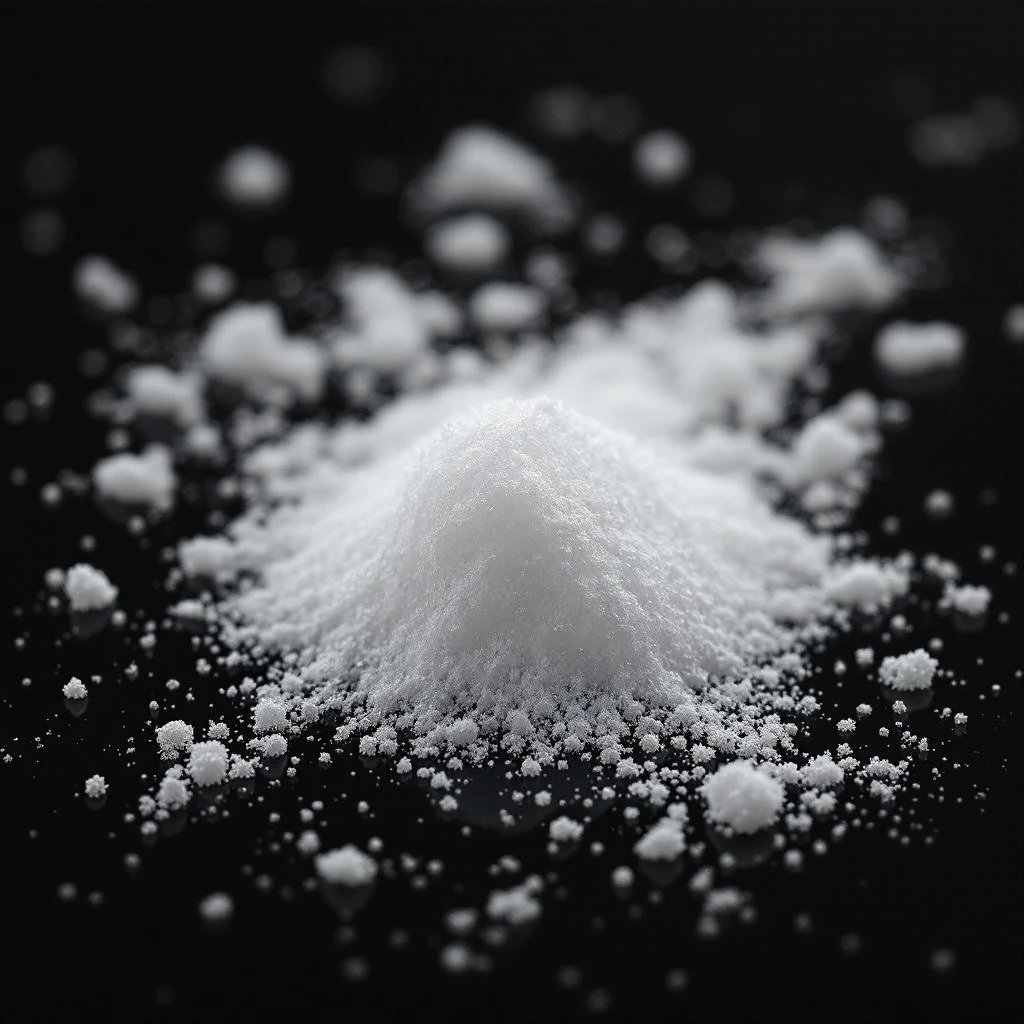
The first synthetic mimic, ethyl maltol, was identified in the late 1800s and entered commercial use in the early 1900s, allowing consistent supply for fragrance houses. Throughout the 20th century, black sugar notes appeared in gourmand and oriental perfumes, adding depth to compositions that sought warmth and gourmand appeal.
In the 2000s, the note gained prominence in niche perfumery, where creators prized its ability to anchor bright florals and spices with a grounding sweetness. Today, black sugar remains a staple in both mainstream and artisanal fragrances, valued for its versatility and the nostalgic memory of caramelized treats.
Wears it best
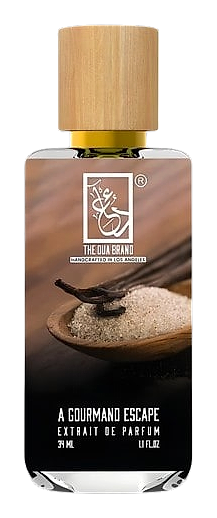
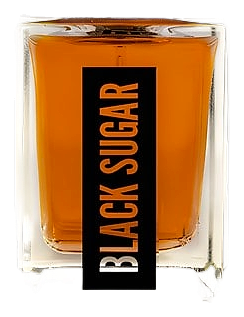
Fragrances featuring Black Sugar
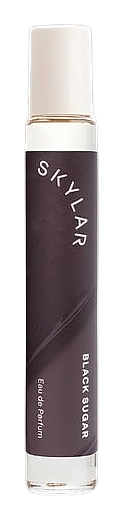
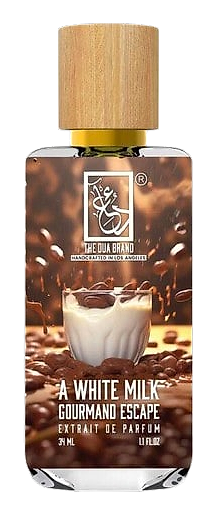
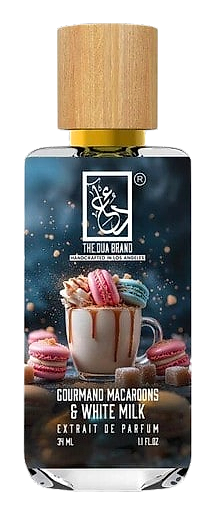
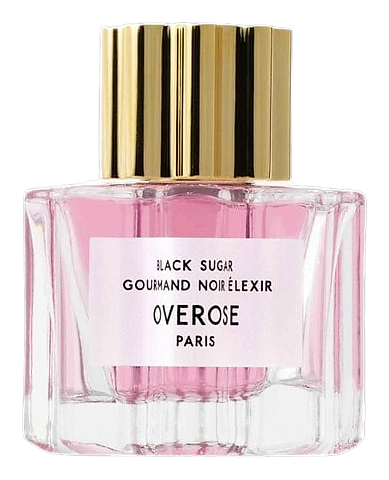
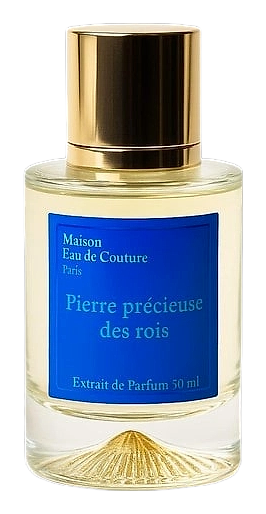
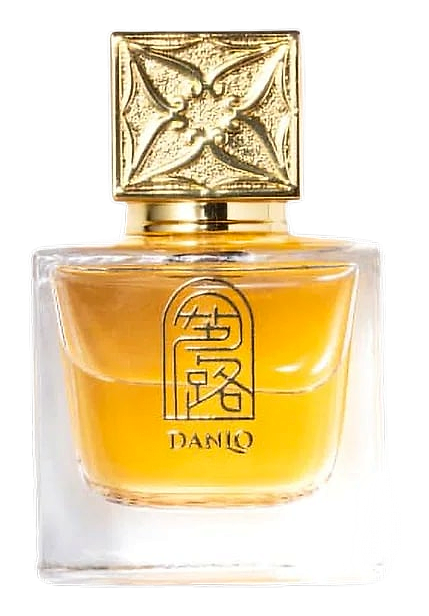
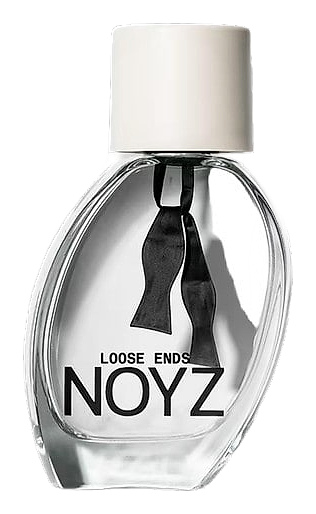
Brands
Brands known for Black Sugar
Good to know
Questions, answered
The essentials on Black Sugar in perfumery: how it smells, where it comes from, and how it behaves on skin.
What does black sugar smell like?
Black sugar delivers a sweet, caramelized scent with notes of burnt sugar and a faint toasted spice. The aroma arises when sucrose is heated above 150 °C, releasing maltol and ethyl maltol that define its profile.
How is the black sugar aroma captured for perfumery?
Perfumers extract the aroma by steam distilling caramelized sugar, then condensing the vapor into a fragrant liquid. This method isolates volatile compounds such as maltol, which are then blended into perfume bases.
Is black sugar a natural or synthetic ingredient?
Both forms exist. Natural black sugar oil comes from steam distillation of caramelized sugar, while the most common commercial version, ethyl maltol, is produced synthetically through a condensation reaction. The synthetic route supplies over 1,000 metric tons each year.
Which fragrance families commonly use black sugar?
Gourmand, oriental, and woody families often feature black sugar to add depth and sweetness. Its warm character balances bright citrus or floral top notes, creating a rounded composition.
How stable is the black sugar note in a perfume formula?
The note remains stable for months when diluted in ethanol, as maltol and ethyl maltol resist oxidation under typical storage conditions. Laboratory tests show less than 5 % degradation after six months at 25 °C.
Can black sugar cause skin irritation?
When used within standard fragrance concentrations (up to 2 % in finished products), black sugar is considered non‑irritating. Patch‑test data from 2022 recorded no adverse reactions in a panel of 50 volunteers at 1 % usage level.
What is the primary chemical responsible for the black sugar scent?
Ethyl maltol is the dominant molecule that conveys the sweet, caramel nuance of black sugar. It forms during sugar caramelization and is also manufactured synthetically for consistent supply.
How much black sugar aroma is produced globally each year?
Global production of ethyl maltol, the key black sugar component, exceeds 1,000 metric tons annually. This figure reflects its widespread use in both fragrance and flavor industries.