The Story
Why it exists.
The beginning
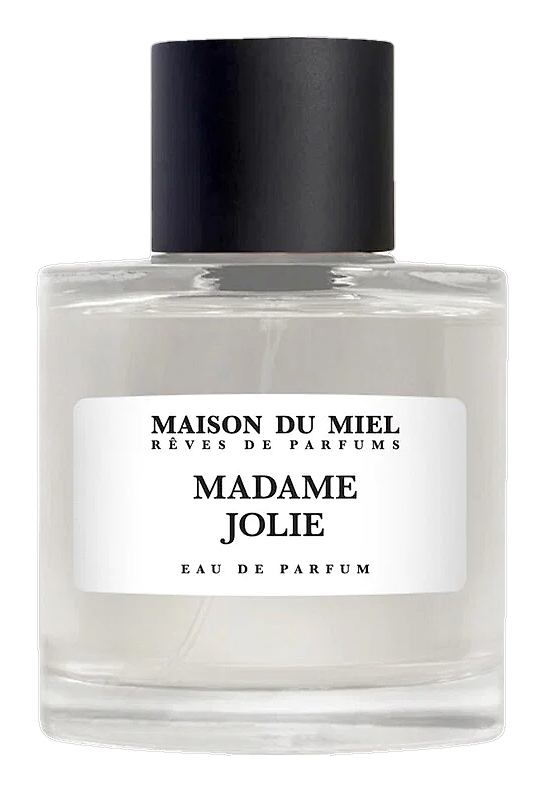
Eldar Har-Zvi Cohen created Madame Jolie in 2024 as an olfactory portrait of a Parisian woman caught between garden and salon, nature and artifice. Maison Du Miel, the French niche house that hand-crafts each of its perfumes in small batches, gave Cohen the freedom to work with natural raw materials and a tactile, honey-tinged aesthetic that runs through every bottle. The fragrance began not with a concept but with a sensation: the smell of crushed green stems, warm skin, and the memory of a garden visited at dusk.
Maison Du Miel built Madame Jolie around a green-fruity opening that the brand considers the truest expression of fresh garden material. The choice of green notes, raspberry, and cardamom for the top reflects an intentional contrast with the soft floral heart, which prevents the composition from settling into predictable sweetness. The drydown, anchored by patchouli and amber, grounds the fragrance in the earthy tradition the house is known for, giving the wearer something to return to long after the opening fades.
The evolution
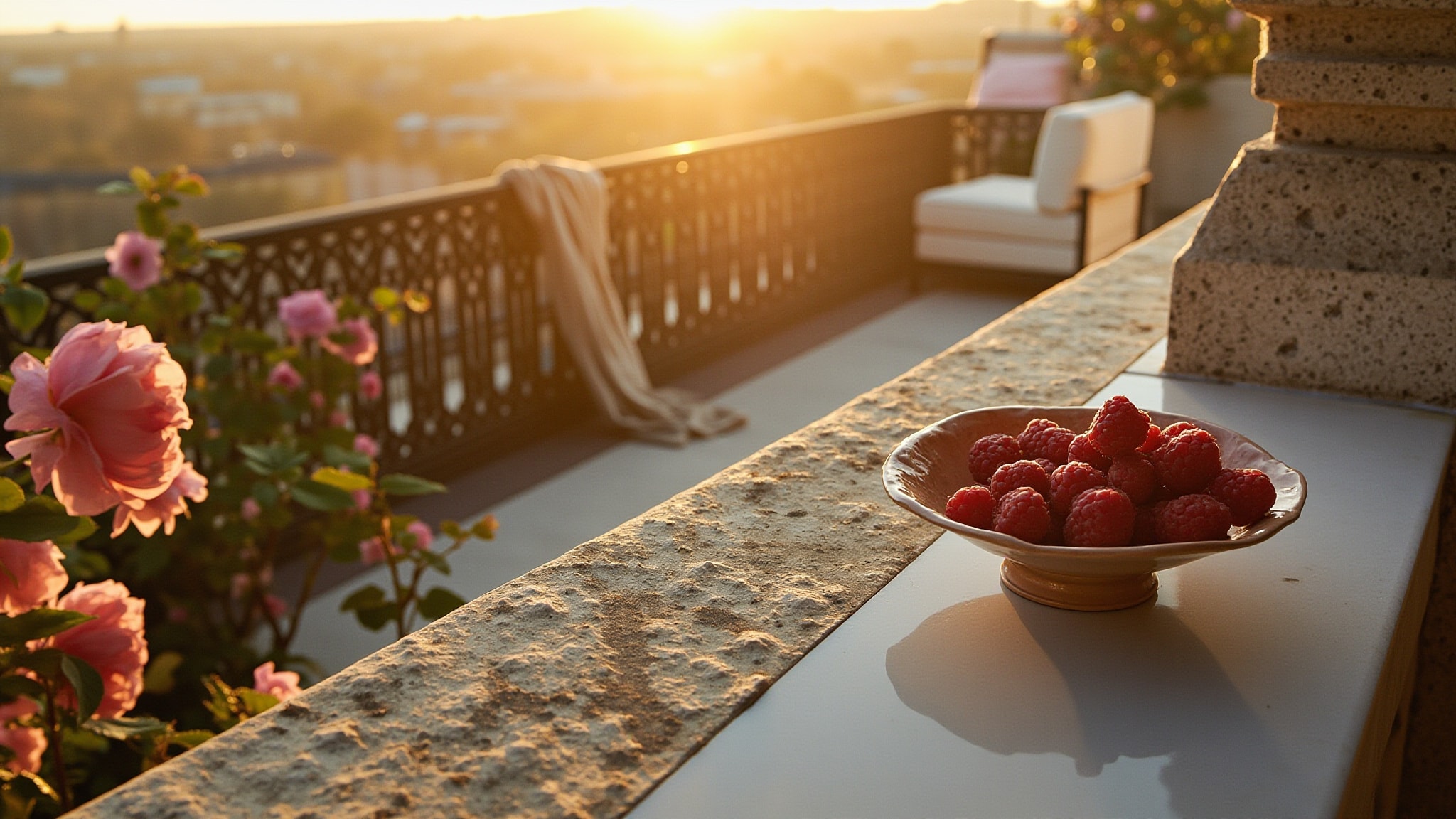
The fragrance opens with green notes, raspberry, and cardamom, a combination that arrives like a garden gate swinging wide. Green notes hit first with that familiar crushed-leaf sensation, quickly joined by raspberry's tart brightness. Cardamom adds a warm, almost medicinal spice that catches you off guard in the best way. As the minutes pass, the heart opens. Bulgarian rose takes its position as the dominant floral, joined by white flowers that lend a clean, airy presence and litchi that keeps things translucent and modern. By the time the drydown arrives, the florals have softened and the base takes over. Woody notes provide structure, patchouli adds its earthy, slightly bitter depth, and amber brings a warm, resinous finish that lingers close to the skin for hours.
Cultural impact
Madame Jolie arrived at a moment when niche houses were emphasizing sustainability and artisanal craftsmanship, resonating with consumers seeking authenticity. Its green‑fruit opening evoked the resurgence of botanical trends in 2024, while the amber‑woody base aligned with a growing appetite for warm, comforting scents in post‑pandemic social settings. The perfume quickly became a staple in boutique selections, influencing other brands to explore similar green‑spice pairings and reinforcing Maison Du Miel’s reputation for innovative, nature‑centric compositions. Critics praised its balance of freshness and depth, and it sparked discussions on the role of seasonal storytelling in modern perfumery, cementing its place in contemporary fragrance culture.