The Story
Why it exists.
The beginning
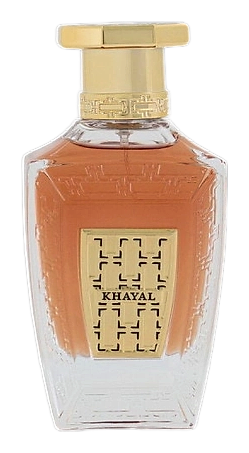
Khayal emerged from the Dubai atelier of Maison Asrar, where Arabic perfumery heritage meets contemporary Western sensibilities. The name means imagination in Arabic, reflecting the house's devotion to bold self-expression through scent. Every element in Khayal was selected to embody unapologetic confidence, drawing from traditional Arabic oud craftsmanship while embracing modern compositional techniques. This gender-fluid approach allows the fragrance to speak across boundaries, much like the imagination itself.
Maison Asrar selected bergamot and geranium for the opening to create immediate approachability balanced with aromatic complexity. Cardamom bridges the fresh and warm territories, guiding wearers toward the heart with purpose. The decision to center the heart on cumin and saffron reflects a commitment to distinctive, powerful materials rather than safer choices. Patchouli brings earthiness that grounds the spices while oud anchors everything in Arabic perfumery tradition. Leather and musk complete the drydown with tactile warmth and lasting presence. Each note was chosen to reinforce the others, creating a fragrance that feels both timeless and contemporary.
The evolution
The story begins with bergamot and geranium delivering crisp, airy freshness before cardamom introduces the first layer of warmth and spice. This citrus-spice opening captures attention without asking for it. Within minutes, the heart takes shape around cumin, its dark, slightly animalic quality bringing genuine power to the composition. Saffron weaves through with dusty, leathery nuance while patchouli provides grounding earthiness. As Khayal enters its final chapter, oud takes command with deep, resinous power. Leather adds smoky, tactile warmth and musk leaves a soft, Intimate trail that endures for hours. Each phase flows naturally into the next, creating a complete narrative that satisfies from first spray to final fading moments.
Cultural impact
Khayal Eau De Parfum reflects a modern reinterpretation of traditional Middle Eastern fragrance heritage, marrying the bright citrus of bergamot with the aromatic depth of geranium and the spicy nuance of cardamom. This blend honors the historic use of oud and spice in regional perfumery while introducing a contemporary structure that appeals to global audiences. The fragrance has been embraced in boutique salons across the Levant, where it is often paired with traditional tea ceremonies, enhancing the sensory experience of hospitality. In Western markets, its balanced profile has sparked conversations about cultural exchange, illustrating how classic ingredients can be reimagined for today’s cosmopolitan consumer.