The Story
Why it exists.
The beginning
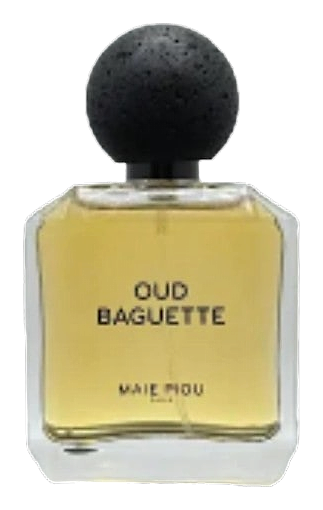
Oud Baguette begins with a simple, almost naive premise, what does a baguette smell like as a perfume?, then complicates it with materials that have no business sitting next to white bread in any conventional brief. Costus brings its characteristic waxy, animalic warmth. Roasted cereal grounds the top with something smoky and toasted. The white bread note arrives precise and recognizable. It's disarming in the best way. Then the heart opens into something warmer: cumin's savory spice, ylang-ylang's creamy florality, sandalwood's quiet cream. The baguette never fully disappears. It sits underneath everything, an invisible foundation that makes the later darkness feel earned.
The genius is in the bread accord's persistence. Costus, the same material that gives costus root its distinctive waxy, slightly musky character, bridges the gap between edible and animalic. Roasted cereal adds a smoky depth that already smells like something burnt at the edges. Together with white bread, these materials create a top that genuinely reads as bread, not bread-inspired, not bread-adjacent. Bread. That specificity is what makes Oud Baguette unusual. The oud in the base, rich agarwood oil, arrives late and dark, but it doesn't erase what came before. It inhabits the same space.
The evolution
The opening arrives fast. Costus, roasted cereal, white bread, an immediate aroma that doesn't ask permission. The costus gives it a slightly animalic lift, not dirty, just warm in a way that real bread warmth is warm. This opening phase establishes itself quickly, with the bread note asserting itself clearly and the surrounding materials adding complexity without obscuring it. Then the bread begins to recede, not vanishing but softening as cumin and ylang-ylang move into the foreground. The heart smells warmer, spicier, with sandalwood adding a creamy texture that makes the transition feel gradual rather than sudden. The composition shifts from something almost literal to something more abstract, more perfumed, while retaining a thread of the original bread character throughout. Cypriol brings its characteristic tarry, leathery earthiness. Labdanum adds a faint animalic resin.
Cultural impact
Oud Baguette is the kind of fragrance that sparks conversation before it's even on skin. It's rare to encounter a niche fragrance this committed to an unusual idea. The bread accord is so literal that it functions almost like a provocation. Wearers either find it brilliant or gimmicky, and that divide is part of its appeal. The name alone is a statement of intent, subverting expectations about what a fragrance called Oud Baguette should or shouldn't smell like. In a market full of predictable compositions, this one stands apart by insisting on its own terms.