The Story
Why it exists.
The beginning
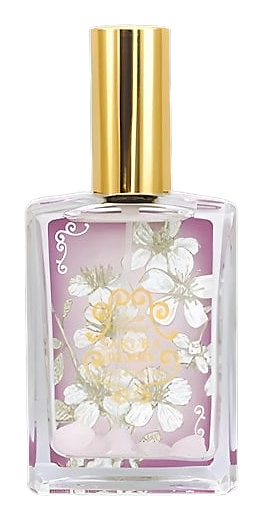
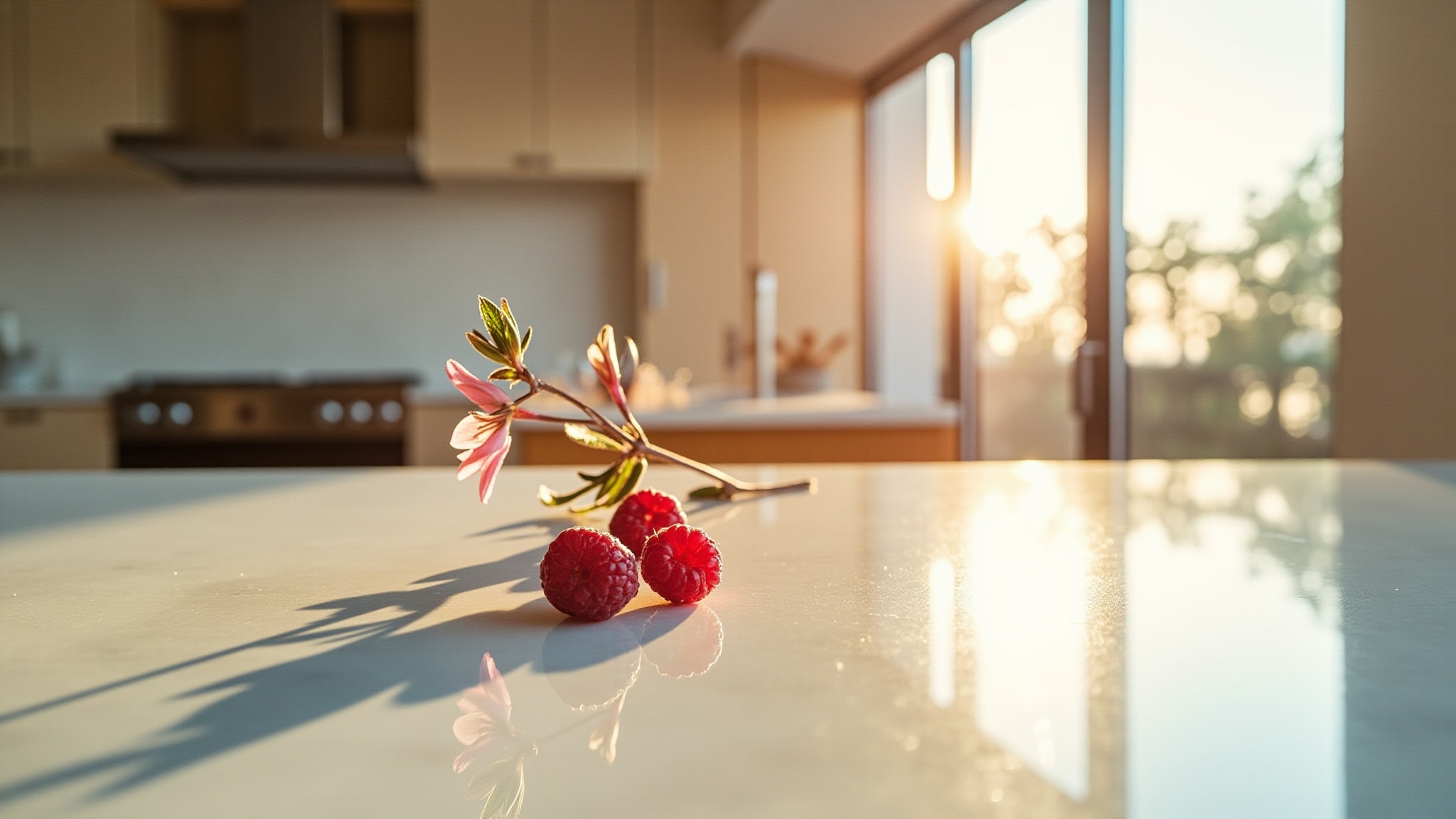
Sakuraberry Lilac Blossom arrived from Magic to Love in 2016, with no perfumer named in the available information. Its name does much of the storytelling: sakura points to cherry blossom, lilac adds a powdery floral air, and berry brings a juicy accent. The release places two floral references together with soft fruit, creating a compact portrait of springtime intimacy. There is no verified founder story, country of origin, or formal creative statement to add, so the composition itself is the clearest source. It opens with raspberry, peach, and lilac, moves through cherry blossom and ylang-ylang, and settles on cedar and musk. Together, the notes trace a gentle shift from ripe fruit and airy lilac to a more enveloping floral heart, then into a restrained woody-musk base.
The interesting part is the balance between fruit and softness. Raspberry and peach make the opening feel tactile, almost edible, while lilac keeps it airy rather than dense. Cherry blossom takes over as the floral center, adding a seasonal delicacy. Cedar and musk then change the temperature, giving the sweetness a quieter, more polished landing. Nothing about the structure is loud. It is a fragrance built around contrast: ripe fruit beside powdery petals, spring brightness beside a restrained woody base.
The evolution
The first impression is colorful and fresh, with raspberry bringing a tart red edge and peach rounding it into something ripe. Lilac keeps the opening suspended, light enough to leave a little air around the fruit. As those notes fade, cherry blossom takes center stage, and the fragrance becomes more openly floral, like petals warmed by late-morning sun. Ylang-ylang adds a soft, creamy richness beneath the blossom, giving the heart a rounder texture. The final shift comes from cedar and musk. They soften the sweetness, add a clean woody edge, and leave the composition close to the skin rather than loud in the room. It develops a neat drydown that still feels gently refined, with the fruit mostly remembered and the soft floral-woody shape carrying the day.
Cultural impact
The available information does not document a specific cultural impact for Sakuraberry Lilac Blossom, so there is no verified reception, movement, or comparison to named peers to report. The fragrance can instead be understood through its listed materials: sakura and lilac contribute floral character, while raspberry and peach introduce fruit. Cherry blossom and ylang-ylang deepen the heart, and cedar and musk shape the drydown with wood, softness, and skin-like warmth. Its public cultural significance remains undocumented, while its composition offers a focused point of discovery.