Heritage
A house, in its own words
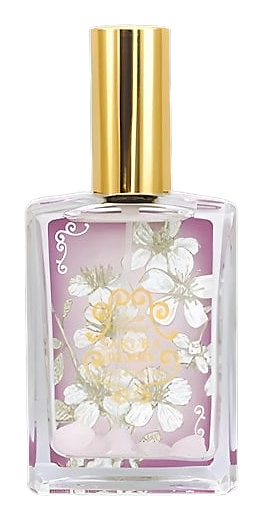
Magic to Love’s documented history is brief. The clearest dated reference identifies Sakuraberry Lilac Blossom as a notable fragrance from 2016, placing the brand, or at least this release, within the period when independent niche perfume houses were expanding their catalogues through small-batch exclusives and online fragrance communities. The name Magic to Love carries a romantic and imaginative association, but no reliable source found here confirms a founding story, founder, country of origin, or earlier brand milestones. The supplied research includes general writing about the history of perfume and home fragrance, as well as pages for other perfume companies, but it does not establish a direct connection between those subjects and Magic to Love. It would therefore be misleading to present a detailed origin narrative. What can be said is that Sakuraberry Lilac Blossom, from 2016, is the principal verifiable point in the available public record. Its floral name and intimate framing offer a glimpse of the identity the label seems to have pursued, while the scarcity of third-party documentation leaves much of the house’s history open rather than confirmed. Magic to Love presents scent as a personal gesture, combining the language of romance with the sensory associations of flowers and fruit. Sakuraberry Lilac Blossom makes that approach especially clear in its naming, where sakura, lilac, and berry create a compact portrait of softness, sweetness, and seasonal memory. The name also places the fragrance within a cultural imagination of love magic, though the available sources do not provide a formal statement of creative intent. No perfumer is linked to the release in the supplied research, so its authorship cannot be attributed to a named nose. The most responsible reading is descriptive rather than promotional: Magic to Love uses evocative naming to frame fragrance as emotional and intimate. That vocabulary distinguishes the brand from houses built around technical perfumery or broader lifestyle products. It invites the wearer to approach fragrance as a trace of affection, but it does not, on the available evidence, reveal a documented method, value system, or independent commitment to natural ingredients, sustainability, or small-batch production.