The Story
Why it exists.
The beginning
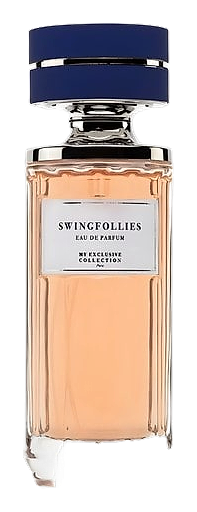
Swingfollies arrives with the energy of a performance that demands attention, a time when every entrance was an event. The composition approaches its debut like a piece of music: each note a character, each phase a scene change. The brief was clear, capture theatrical flair without tipping into costume drama. Create something that could hold its own on any stage, whether that stage is a boutique or a late-night venue. Released in 2021, the fragrance carries that weight without ever becoming precious about it. There's a confidence here that reads as earned rather than announced, the kind of self-assurance that comes from knowing exactly what you want to say and trusting the audience to meet you there.
What makes Swingfollies work is its refusal to commit fully to any one register. The top is sharp, mandarin's citrus bite sharpened by Madagascar black pepper, but the heart softens immediately into Orange Blossom's narcotic sweetness. That tension between brightness and depth never fully resolves, which is exactly the point. The base layers patchouli's earthy, slightly fermented character against vanilla's warmth and white musks' clean drydown. Each element pulls in a different direction, and the fragrance becomes more interesting because of it.
The evolution
The opening hits like a curtain pulled back, mandarin's citrus pop, immediate and attention-grabbing, then black pepper's dry spice arrives to add structure. Ten minutes in, the Orange Blossom begins to unfurl, and the composition shifts from theatrical to intimate. This is where Swingfollies earns its keep: the transition from sharp citrus to soft floral happens smoothly, almost imperceptibly, like watching daylight change. By the second hour, vanilla has entered the conversation, wrapping itself around the orange blossom and adding a creamy warmth that tempers the earlier brightness. Patchouli anchors everything from below, not dominant, but present, giving the composition weight and preventing it from floating away entirely. The drydown reads as clean skin with a memory of flowers. White musks and vanilla persist on fabric long after they've faded from the wrist.
Cultural impact
Swingfollies occupies an interesting position in the fragrance landscape. Its Guerlain connection brought immediate credibility among collectors, while its character offers something distinct from many contemporary releases. The modern floriental character resonates with wearers who appreciate florals handled with care, and the scent performs well in both directions. It's neither so niche that it alienates nor so commercial that it disappears. What draws people back is the Orange Blossom, done with enough restraint to avoid predictable territory, but warm enough to feel human.
The House
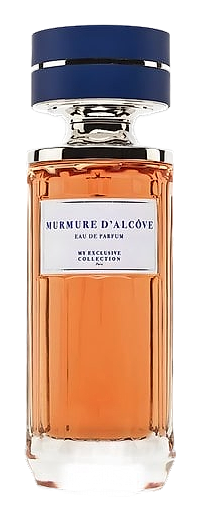
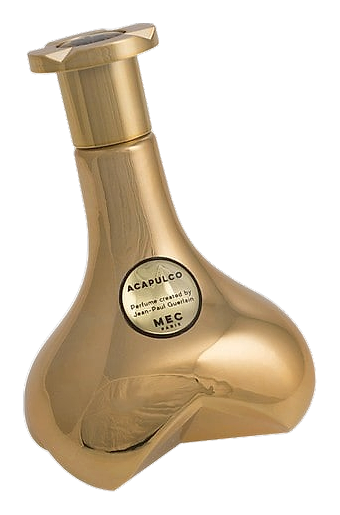
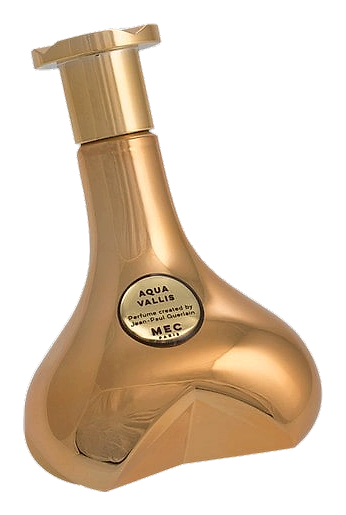
M.E.C - My Exclusive CollectionM.E.C (My Exclusive Collection) is a French fragrance house established in 2015 on the Champs-Elysées in Paris. The house gained notable attention when Jean Paul Guerlain, representing the legendary Guerlain perfumery dynasty, joined as perfumer for the debut collection. This connection to one of perfumery's most storied lineages brought immediate credibility to the young house. M.E.C positions itself as a niche fragrance brand offering unisex scents that draw inspiration from historical periods, personal memories, and imaginative scenarios. The house produces all fragrances in France, reportedly adhering to high bioethical standards in formulation and manufacturing. Their catalog spans Mediterranean-inspired compositions like Acapulco (2016) and aquatic-forward scents such as Aqua Vallis (2017), alongside more recent releases including Swingfollies (2021) and Murmure d'Alcôve (2021). The collection features fragrance titles that reference specific years, musical eras, and evocative imagery, suggesting a narrative-driven approach to scent creation that distinguishes M.E.C from conventional fragrance houses.
The Creator
Jean-Paul GuerlainJean-Paul Guerlain's style resists easy categorization, though richness and depth define nearly every composition. He favored opulent oriental structures, warm woods and resins, and florals treated with almost sculptural precision.