The Story
Why it exists.
The beginning
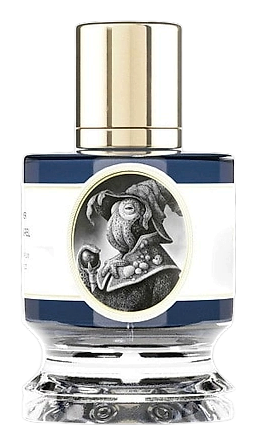
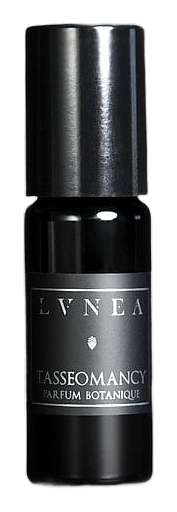
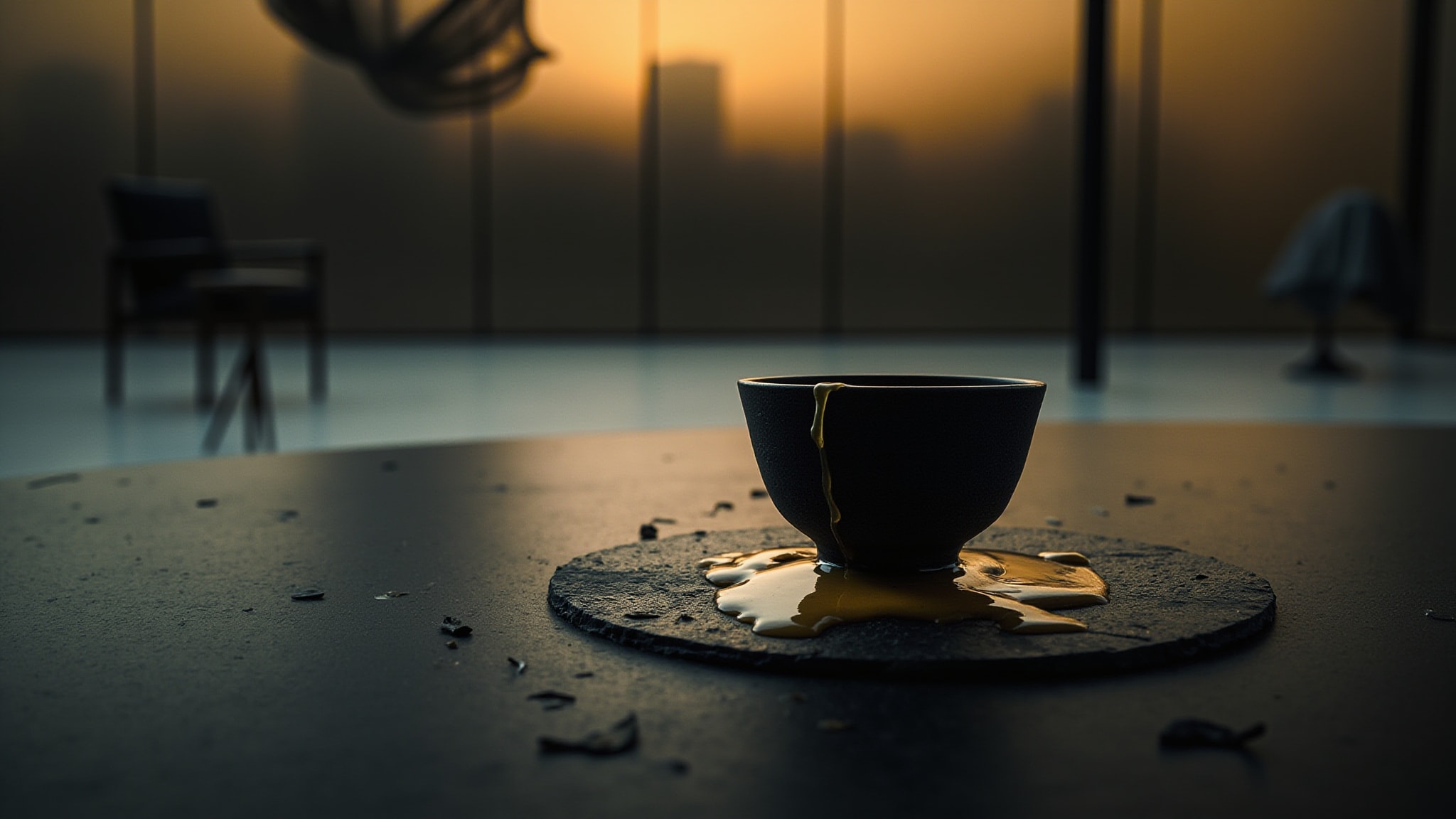
Tasseomancy takes its name from an old practice of divination, reading the future in tea leaves at the bottom of a cup. The brand's own notes reference honeyed vessels and confessions, and the fragrance reads like an artifact left behind from that ritual, the moment after the cup is drained, when what settles at the bottom tells the story. It's a tea-centered scent, and the black tea isn't decorative. It's the medium, the message, the residue. Bergamot arrives first, bright and slightly bitter, like citrus peel cracked open over dark liquid. Honey and warm milk gather in the middle, thickening the air. And lapsang souchong, the famously smoky black tea, burns underneath like embers that refuse to go out.
What makes Tasseomancy structurally interesting is how few ingredients carry the entire composition. Black tea appears in the pyramid, and it has to do the heavy lifting because there simply aren't many notes competing for attention. It's not a top-note cameo. It's the structural spine, and lapsang souchong gives it a smoked quality that most tea fragrances never reach. Tasseomancy skips past green tea, floral tea, and the malty breakfast-tea territory entirely.
The evolution
The first fifteen minutes are the bergamot doing what bergamot does, bright, slightly bitter, the citrus peel cracked open over the top of a dark liquid. Then the smoke shows up. It doesn't arrive politely. It arrives the way lapsang souchong smells when you open the tin, campfire and pine resin and something almost tarry, and it moves through the heart phase like a current under the honey. Honey here is dense and amber-colored in feel, the kind that thickens the air around it rather than dissolving into it. The milk accord does something subtle but important. It rounds the edges of the smoke so it doesn't read as burnt or harsh. It makes the whole composition feel warm in the way a ceramic cup feels warm when you've been holding it for a while.
Cultural impact
Tasseomancy occupies a specific niche in the world of tea-forward fragrances, a category where the beverage itself becomes the entire architecture of the composition rather than a background hum supporting florals or gourmands. The lapsang souchong gives it a specificity that separates it from generic smoky teas. Most tea fragrances lean green, floral, or malty in a breakfast-tea register. This one goes directly to the black tea dried over pinewood fires, the kind that stains your cup dark and tastes like a forest burned down on purpose. The smoke here isn't decorative. It's structural.