The Story
Why it exists.
The beginning
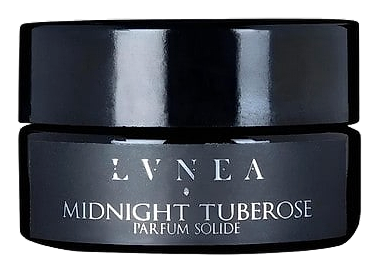
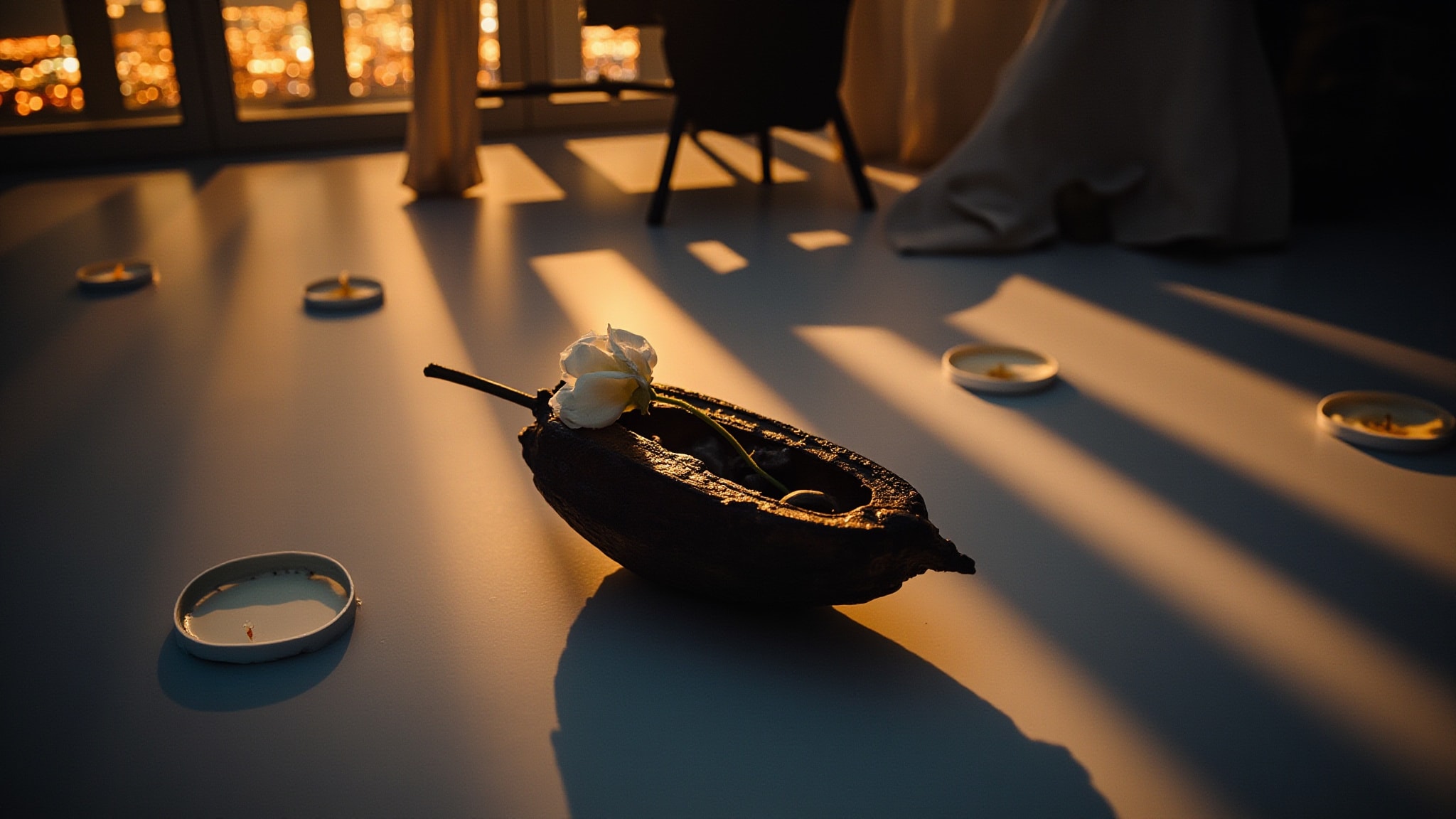
Midnight Tuberose is the work of April Engloner, who composes her scents from botanical materials through a process that prioritizes trust in the raw ingredients over speed or scale. The fragrance sits in Lvnea's Parfum Crème line, a solid format that lives in a small black glass jar, and the composition is anchored around one specific flower at one specific hour. Not the bright, sun-warmed tuberose that dominates most floral fragrances. Something else. Something heavier, creamier, the version of the bloom that only shows itself after dark. The name isn't poetic decoration. It's a direction. The scent is meant to smell like the plant when the light is gone and the air has cooled to that thick, almost wet point where white florals start to lean narcotic.
The unusual element here is cep, a mushroom extract rarely found in fragrance. It grounds the tuberose and rose in something loamy and fungal, stopping the florals from floating off into soapy territory. The cocoa and resins do similar work, giving the composition a bittersweet, almost edible quality that recalls chocolate rather than candy. The result is a floral that behaves more like a dark gourmand, creamy without being cloying, animalic without being aggressive. Most tuberose fragrances go one of two routes: green and dewy, or indolic and carnal. This one splits the difference, staying narcotic but pulling the edges inward with earth and resin.
The evolution
The opening carries a brief lift of bergamot and grapefruit before the tuberose settles in and takes over. That window is short. The flower arrives fully, creamy and waxy, the lactonic side of tuberose rather than the fruity bubblegum side. It stays there for a long stretch, dense on the skin, with the cep pulling quietly underneath like damp soil. The rose and resins arrive in the middle phase, adding a dusty, slightly powdery warmth that keeps the tuberose from going flat. The composition thins gradually as it wears, but never disappears entirely. The drydown is where the solid format works hardest: what remains is a faint, skin-close trace of cream and resin, warm and faint, the kind of scent you catch when you press your wrist to your face hours later and find it's still there. Longevity is modest in projection, but the scent has a quiet persistence that rewards patience.
Cultural impact
Midnight Tuberose is a solid perfume, which sets it apart from the spray-format mainstream, and the cep note marks it as something a curious wearer will either pursue or pass on without hesitation. The composition attracts people who want their florals to have weight and edge, who find most tuberose fragrances too clean or too sweet. The format itself is part of the appeal: a solid perfume means you apply with your fingertip, pressing the waxy balm into warm skin, and that tactile application creates a different relationship with the scent than a spray ever could. It's slower, more deliberate, more personal. You choose where it goes.