The Story
Why it exists.
The beginning
Mark Constantine designed Time of the Season around a single tension: what happens when the most luminous of florals meets the most grounded of bases? Neroli, bright, radiant, almost solar, paired with Sumatran patchouli, known for its deep, earthy, slightly smoky character. The 2024 release leans into what Lush calls its bohemian identity, a fragrance that grabs by the bell bottoms without looking back. This isn't nostalgia. It's the present tense of free-spirited.
The unusual move here is patchouli's placement. In most fragrances, it anchors the base, patient and waiting. In Time of the Season, it arrives at the opening alongside the citrus, immediately present, grounding the brightness before it can float away. Orange blossom absolute brings its indolic, sultry sweetness, the kind that reads as intimate rather than decorative. Grapefruit cuts through with a sharp, fresh note that keeps the whole composition from settling into something too heavy. The result is a fragrance that evolves through phases rather than simply fading from one note to the next.
The evolution
The opening announces its position immediately. Citrus brightness and earthy patchouli arrive together, an unexpected pairing that shouldn't work but does. Within the first hour, the white florals begin to assert themselves, softening the patchouli's edge without replacing it. The orange blossom's indolic quality adds a sultry sweetness that feels intimate, almost personal. By the two-hour mark, the florals have taken center stage, but the patchouli hasn't disappeared, it's shifted into the background, a grounding presence that keeps the florals from becoming too delicate. The drydown is where this fragrance reveals its true character: white florals filtered through patchouli, warm and earthy rather than purely floral. On skin, expect eight to ten hours of wear with moderate sillage, present without overwhelming, the kind of scent that lingers in a room after you've left it.
Cultural impact
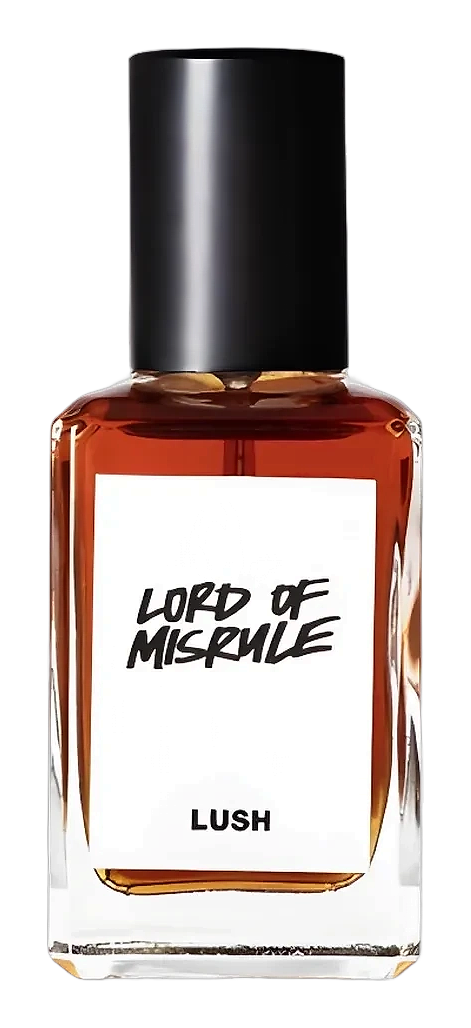
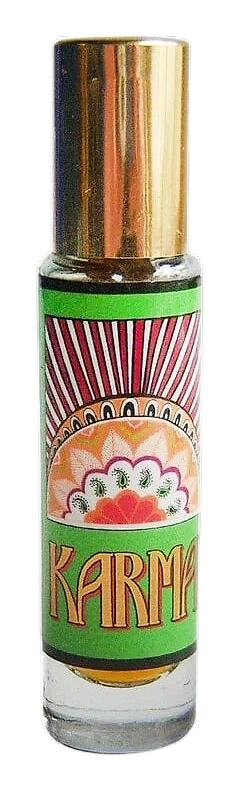
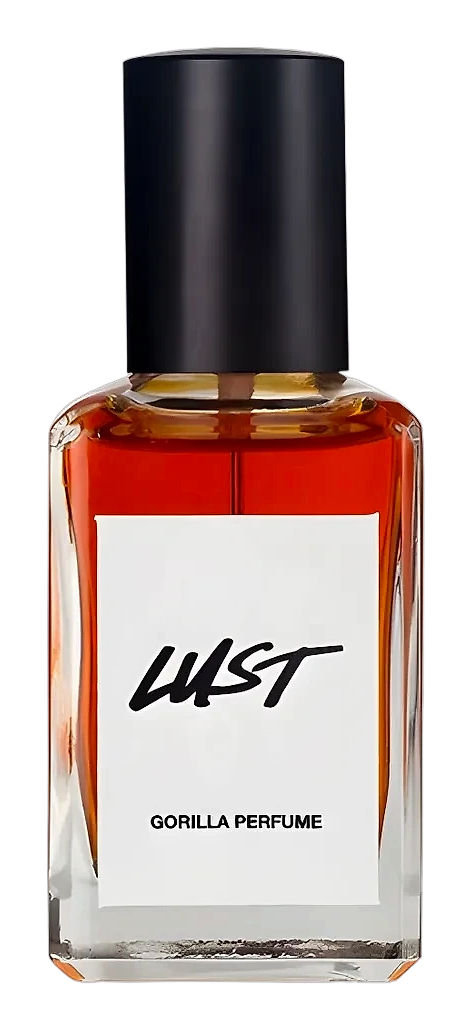
Time of the Season speaks to a specific kind of wearer: someone who wants fragrance to mean something, to carry an attitude rather than simply smell pleasant. The 2024 release sits alongside Lush's broader fragrance portfolio, scents like Karma, Lust, and Lord of Misrule, all built on the same principle: bold materials, ethical sourcing, and a refusal to dilute what makes each ingredient unmistakable. For wearers who have wanted Lush to make something that smells like a festival, a garden, and a memory all at once, this is that fragrance.
The House
LushLush is a British cosmetics company founded in Poole, England, in 1994 by trichologist Mark Constantine, his wife Mo Constantine, and five additional co-founders. The brand gained international recognition for its hand-pressed bath bombs, which Mo Constantine invented in her garden shed in 1989. Now operating in 49 countries, Lush has evolved from a single High Street shop into a global retailer while maintaining its commitment to ethical manufacturing and cruelty-free products. In-house perfumers Mark Constantine OBE, Emma Vincent, and Alina Gliwinska create the brand's fine fragrances, which are presented through the Perfume Library concept stores in Liverpool, Florence, and London. The fragrance collection spans over 230 perfumes dating back to 1989, organized into thematic volumes that serve as milestones in the brand's perfumery history.
The Creator
Mark ConstantineConstantine's style resists easy categorization because he never formally trained within the classical French system. Instead, he developed what industry observers call a raw materials approach, favoring strong concentrations of recognizable ingredients over sophisticated mole…