The Story
Why it exists.
The beginning
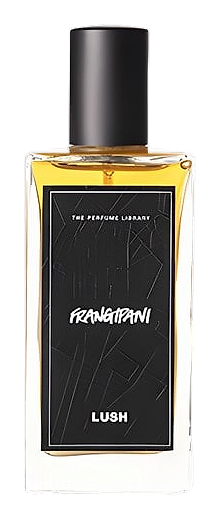
The name frangipani carries its own history, an Italian noble family, a 17th-century marquis who invented a plumeria-scented perfume for gloved hands. The word itself is a compound: frangi, to break, plus bread, a reference to the family's bread distribution during famine. The result is named for a legend but wears like a warm, nutty whisper close to skin. Something warmer, nuttier, closer to skin than the usual tropical interpretation, closer to the memory of skin than to any flower.
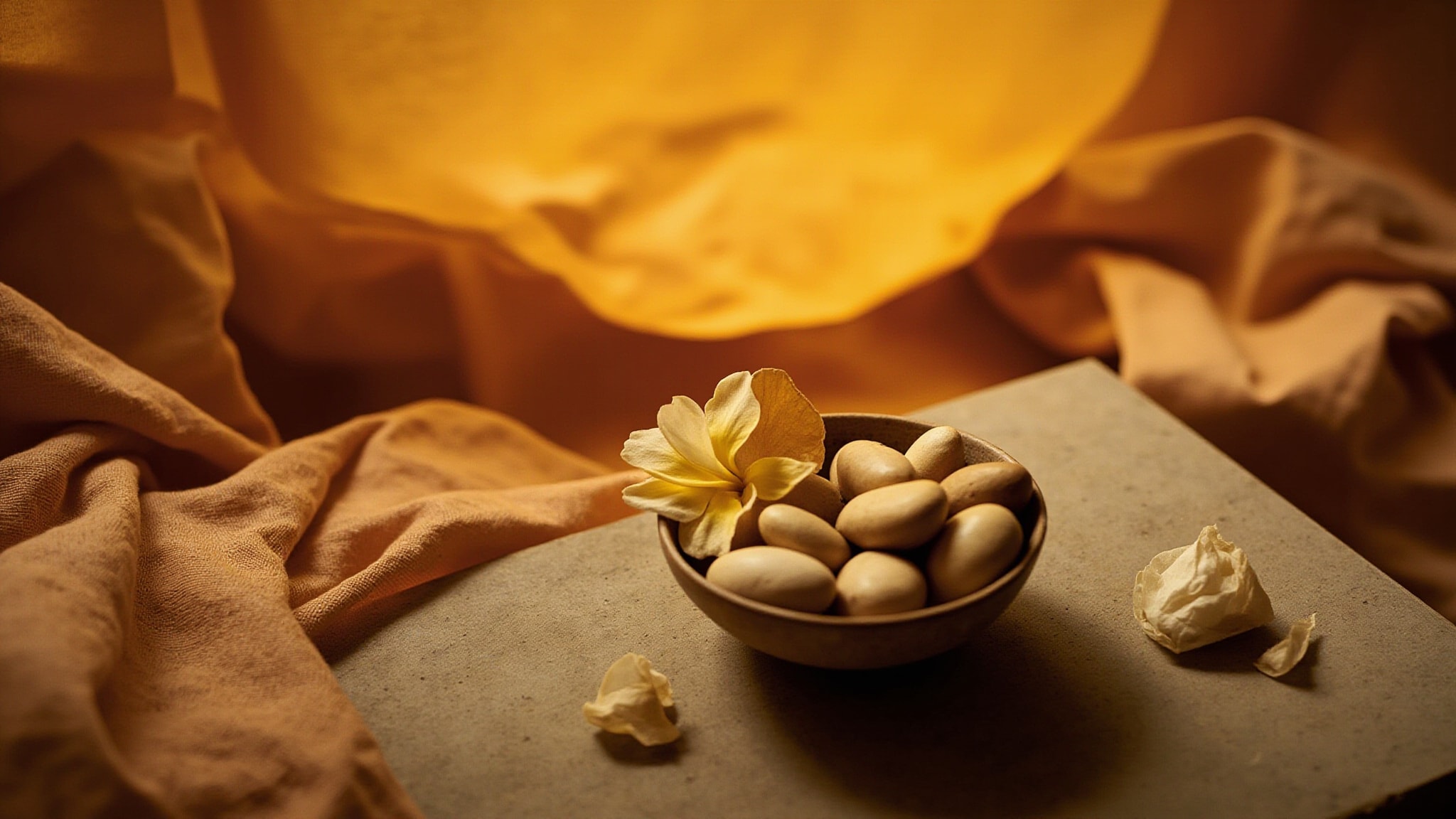
What makes this composition unusual is the way frangipani shares space with other materials. The flower absolute is listed, but sandalwood and guaiac wood form the architecture. The almond threads through the entire composition like a base note that never fully leaves. Tuberose adds body without the usual indolic punch. The result is woody-floral-gourmand in a way that feels cohesive rather than contradictory. Lush's own description of frangipani absolute, very floral, very sweet, close to almond and vanilla, with warm and spicy undertones, is exactly what this fragrance delivers.
The evolution
The opening announces itself in wood and warmth before the florals arrive. Guaiac wood leads, carrying a faint smokiness that frames rather than overwhelms. The frangipani surfaces slowly, blending with almond in a way that reads more as richness than as flower. Tuberose arrives to lend body without the creaminess that usually accompanies it. Sandalwood settles into the base, bringing a soft creaminess that keeps everything close to skin. The drydown is intimate, this is not a fragrance that announces itself. It whispers. A subtle, warm presence that lingers close to the skin throughout its wear.
Cultural impact
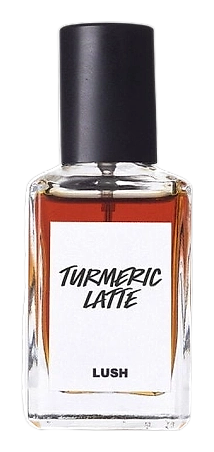
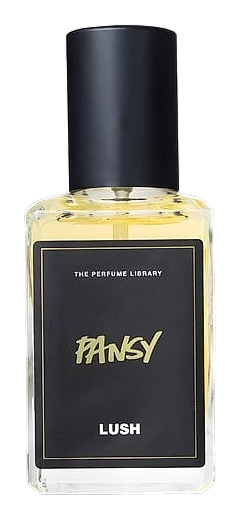
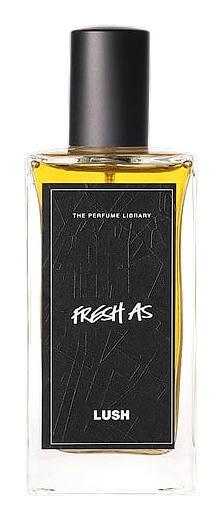
Lush launched its Perfume Library, positioning fine fragrance as an artisanal experience. Frangipani represents this approach: an almond-forward woody floral. The Perfume Library concept allows customers to explore scents in an intimate setting, maintaining Lush's ethical sourcing commitments. Frangipani's distinctive character offers an alternative that smells genuinely unique, blending warm woods with sweet florals in a way that feels cohesive rather than derivative.