The Story
Why it exists.
The beginning
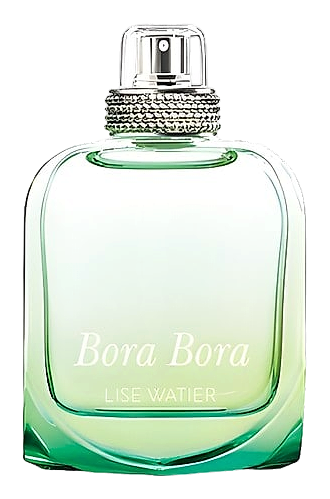
Bora Bora was conceived as a fragrant escape, a tropical daydream bottled in 2011 by Lise Watier. The name alone conjures lagoon-blue water and salt-washed air, that specific kind of golden-hour warmth that turns any Tuesday into something worth remembering. This was the house reaching for fantasy and landing it, translating a place most people only see in photos into something you can wear to the grocery store.
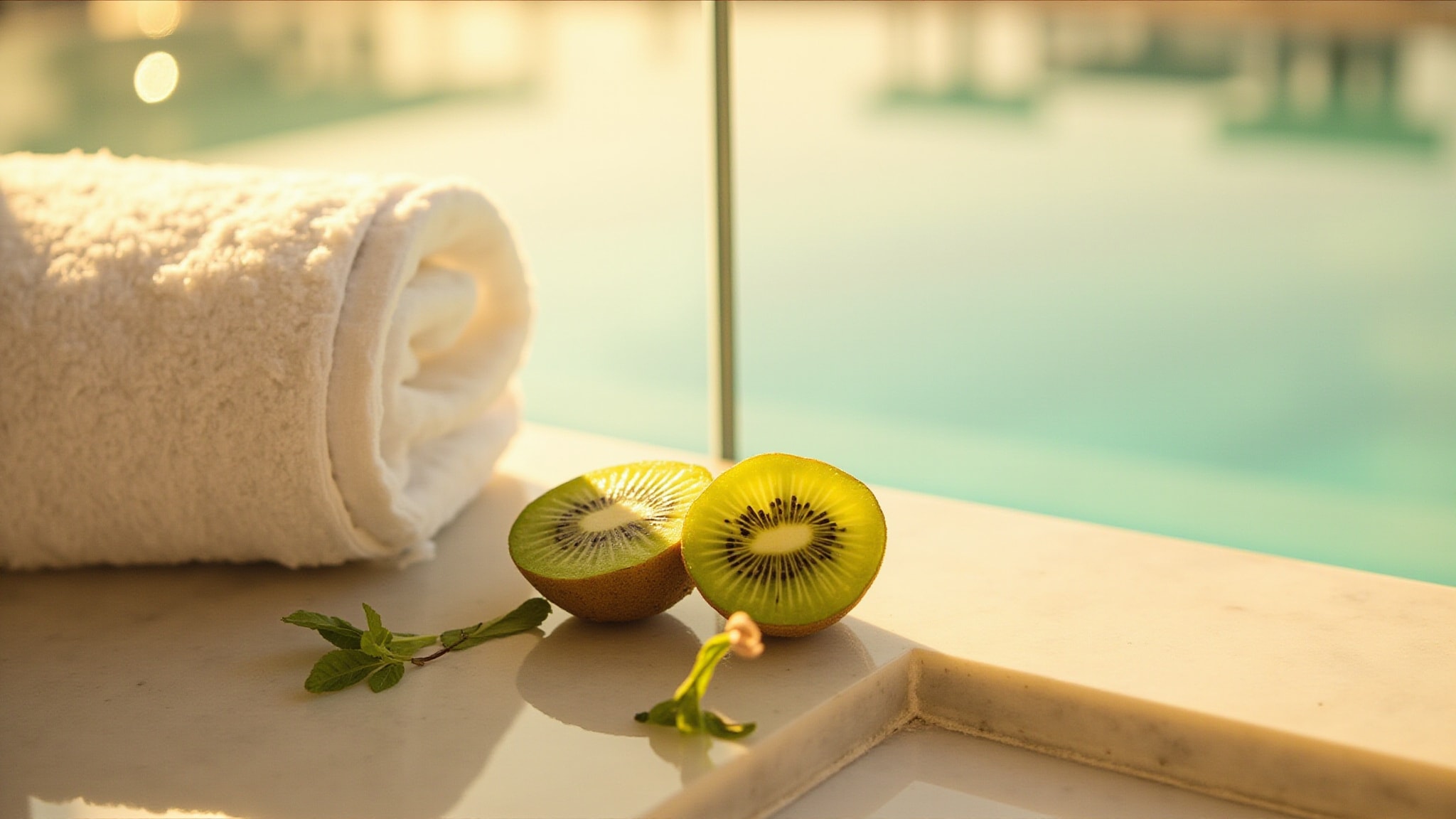
The structure is built for layered sweetness. Kiwi and passion flower anchor the heart, supported by jasmine and apricot. Vanilla, musk, and amber form the base, warm materials that wrap around the florals and keep them close to the skin rather than throwing them into the room. It's sunny without being loud, tropical without leaning into the stereotype of coconut sunscreen. The contrast between the bright opening and the intimate drydown is the real trick here.
The evolution
The opening hits tart and bright, kiwi cutting through with a clean, almost electric bite. Bergamot and cassis sit underneath, adding depth without competing. The cassis is the quiet anchor in those first minutes, keeping the kiwi from going too sharp. Thirty minutes in, apricot and passion flower arrive. The tartness softens into something rounder, sweeter. Jasmine takes its time, another fifteen minutes before it fully blooms, but when it does, it changes the character entirely. The rose follows, barely there, more polish than presence. The drydown belongs to vanilla and musk. They blend into something skin-close, warm, and lasting. Woody notes and amber add just enough weight to keep it from disappearing. On most skin types, expect 4-6 hours with moderate sillage, present in the first hour, then settling into a quiet warmth that only someone standing close will notice. On dry skin, the opening phase shortens and the floral heart arrives faster, which some wearers prefer and others find too abrupt.
Cultural impact
When Lise Watier launched Bora Bora in 1990, it arrived during a pivotal shift in perfumery. The late 80s and early 90s were dominated by bold, power-oriented fragrances, but Bora Bora offered something different: an unapologetically light, watery composition that treated femininity not as armor but as fluidity. Its success opened doors for a wave of aquatic fragrances in the following decade, proving that restraint and freshness could be commercially viable. The fragrance became a quiet icon in Canadian perfumery, representing a distinctly North American approach to tropical escapism that felt accessible rather than aspirational.