The Story
Why it exists.
The beginning
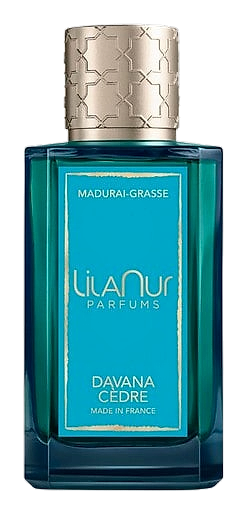
Davana Cèdre emerged as one of the early compositions from LilaNur Parfums, a house noted for bringing Indian botanical materials into the fine-fragrance conversation. The perfumer is Honorine Blanc, whose training shaped the structural decisions behind the project. At the center sits davana, an herb whose aroma reads as herbaceous, almost fermented, carrying a grape-skin warmth that borders on boozy. Cedar steps in to translate that sweetness into something architectural, giving the composition a woody spine. The result is less a floral perfume than a focused meditation on a single plant, built around an ingredient that rarely leads in Western perfumery.
Davana is the unusual choice here. Its aroma carries a grape-like, slightly boozy warmth that becomes something closer to plum skin once it meets cedar. Pink pepper adds a clean, almost cold bite on top, while angelica and blackcurrant push the green facets forward, giving the musk underneath room to breathe without collapsing into sweetness. The composition is a study in restraint: one unusual note at the center, held in place by familiar anchors.
The evolution
The opening arrives bright and almost sharp. Pink pepper and angelica come together, giving the first impression a clean, faintly bitter edge that reads herbaceous rather than floral. Blackcurrant hums underneath, lending a tart, just-ripe fruitiness that softens without sweetening. As the composition settles, the davana fully takes over. Its balsamic, almost wine-like warmth blooms across the skin, and the cedar begins to ground it from below, no longer sharp but woody and slightly powdery. The musk arrives in time, skin-close and quiet, settling into the cedar like the last exhale of a long evening. What survives into the later hours is the musk-cedar accord, warm and indistinct in the best way, the kind of scent you catch on a sweater the next morning and don't quite place.
Cultural impact
Davana Cèdre offers something less expected, centering an ingredient rarely encountered in Western perfumery. Its unusual anchor note, davana, carries an aroma that reads as herbaceous and almost fermented, a grape-skin warmth that becomes the focus of the composition. Cedar, pink pepper, angelica, blackcurrant, and musk orbit around that center, each supporting the davana without crowding it. The result is a quiet kind of introduction, a fragrance that rewards attention rather than demanding it, built around a note most Western wearers have never encountered.