The Story
Why it exists.
The beginning
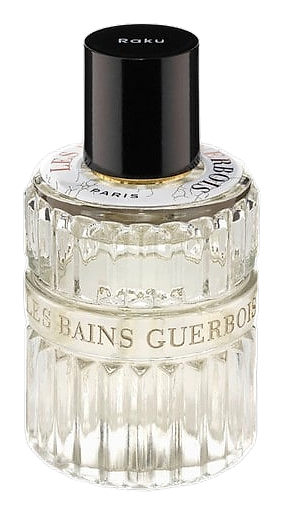
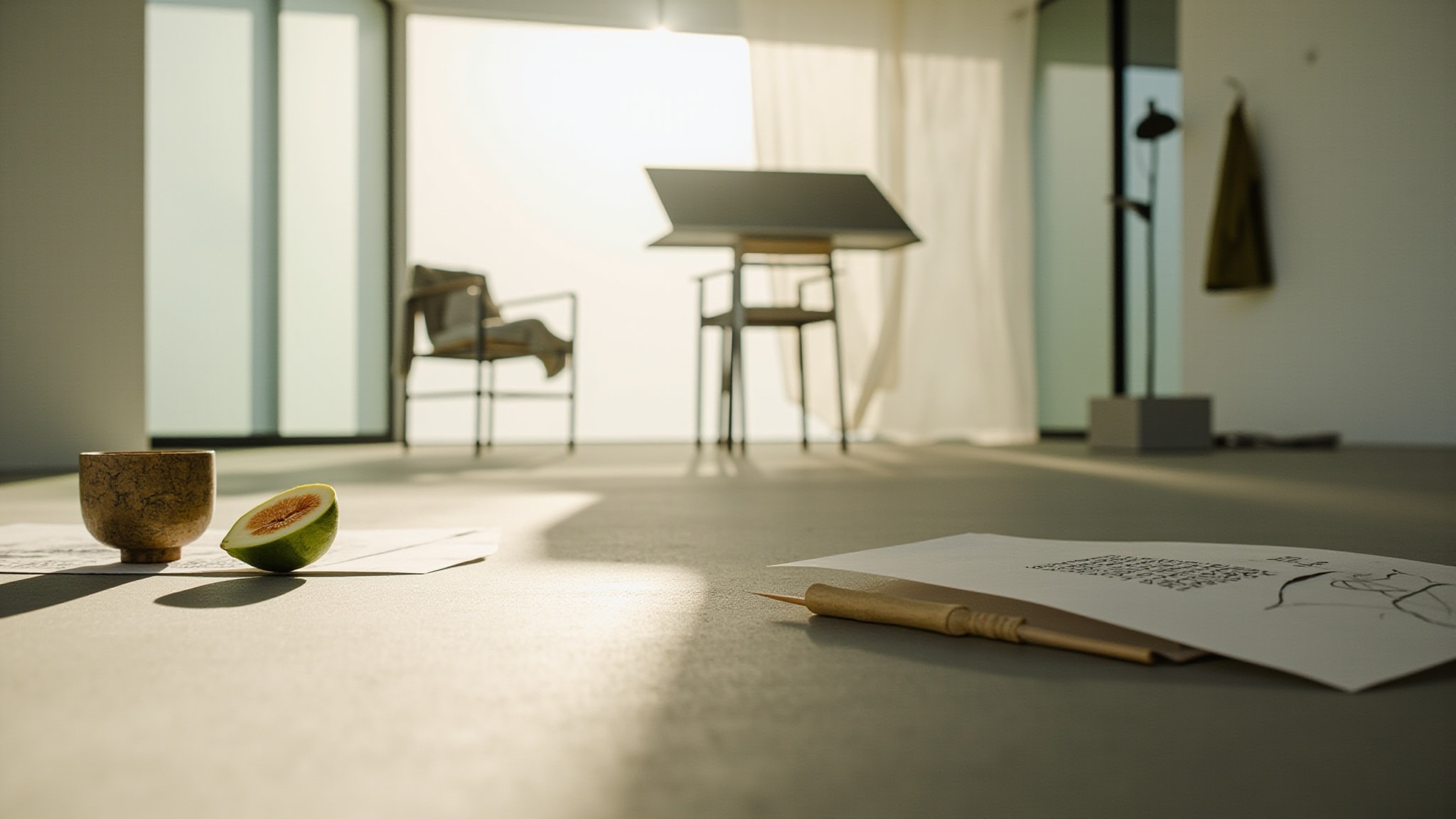
Raku takes its name from a Japanese firing technique, crackled and radical in its refusal of symmetry. Where other ceramics chase perfection, Raku embraces the crack, the thumb-press, the accident that makes each piece singular. The same logic holds for this fragrance: imperfection isn't a flaw to correct. It's the point. Jérôme Epinette built Raku as an ode to the beauty of what doesn't quite resolve. The concept came from crackled, milky, unctuous, sensual, dense, radical Japanese terracotta and the fragrance followed from there. Green fig is blown away by enveloping musks and illuminated by bright lemon. That's the full brief. That's the whole story.
What makes Raku interesting isn't any single material, it's how the fig refuses to behave like fruit. Here, it's green and slightly bitter at the edges, held by clary sage that keeps it grounded and herbal. The ambroxan adds a clean, almost mineral warmth that stops the whole thing from sliding into softness. The black pepper in the opening is a deliberate provocation. It cuts through the cream before the musks take over and smooth everything out. The interplay of those elements creates something that shifts from sharp to soft, from bright to close. Raku doesn't chase you.
The evolution
The opening hits bright and brief, black pepper and lemon doing their work in the first twenty minutes. Then the citrus retreats and the fig arrives, green and lactonic, carried by clary sage. This is the longest phase, the one that defines the wear. By the second hour, the musks take over. Not aggressively, this isn't a sillage beast. Close, intimate, skin-like. The ambroxan keeps the drydown from going flat, adds a faint warmth that clings. Cedarwood anchors everything into something woody and clean. The lemon doesn't disappear entirely. It finds its way back at the edges, a subtle brightness that persists long after the initial spray. The next morning there's a trace: clean, faintly sweet, close enough that only you know it's there.
Cultural impact
The ambroxan note puts Raku in conversation with a certain modern archetype, the synthetic-fresh family that includes Le Labo AnOther 13, which wears a similar sugary Ambroxan brashness. Raku takes a different path: black pepper opens sharper, the fig-heart keeps it grounded, and the drydown stays intimate rather than projecting. The ambroxan signature is unmistakable but rendered in a softer register, making the fragrance feel less about statement and more about presence.