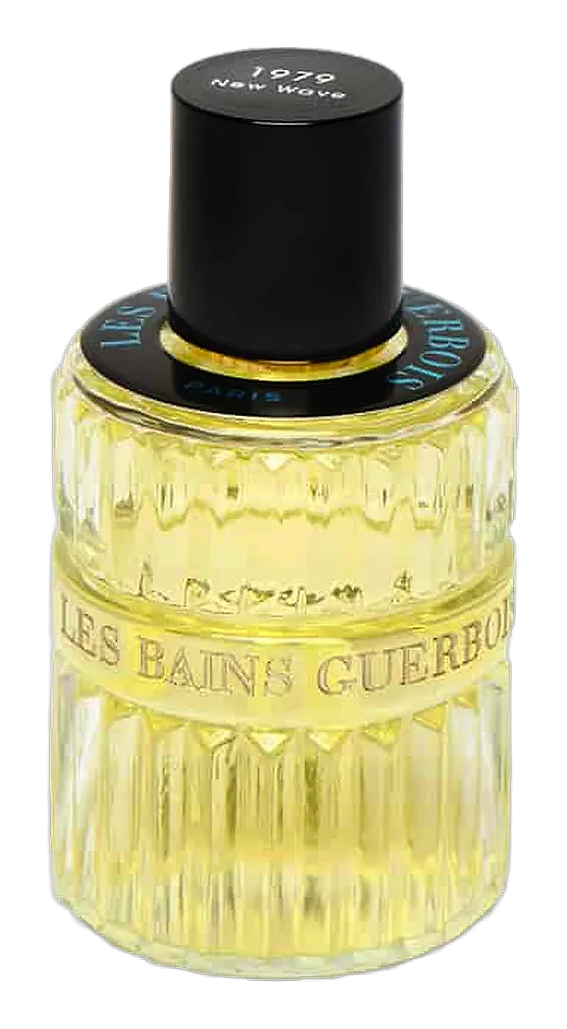
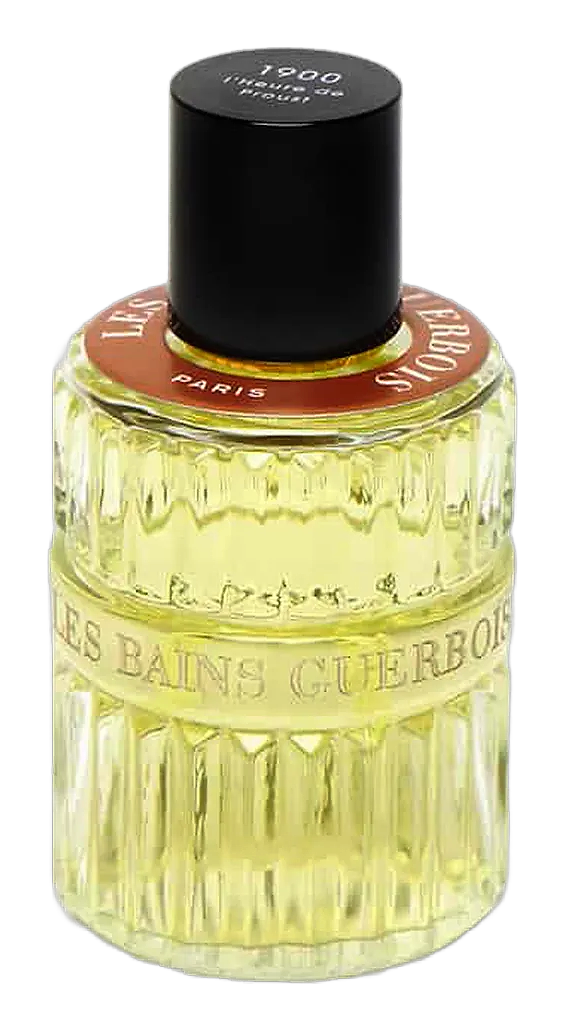
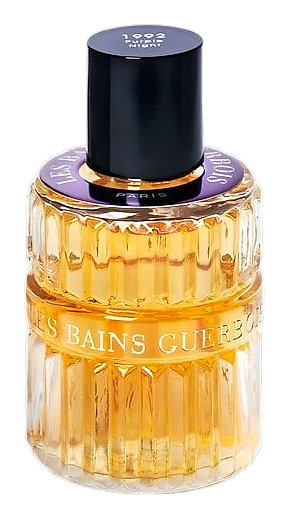
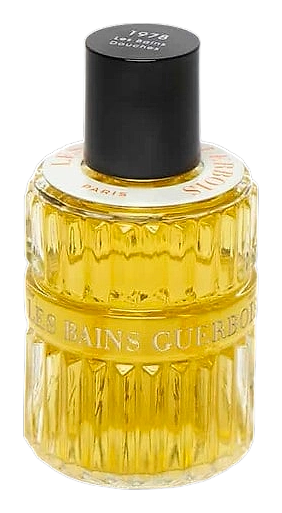
The Heritage
The Story of Les Bains Guerbois
Les Bains Guerbois is a Parisian fragrance house rooted in a singular dual legacy. Its copper-stained walls once cradled the city's finest bathhouse, where Proust, Zola, and Manet sought refuge, then became Les Bains Douches, the legendary nightclub where David Bowie and Mick Jagger partied alongside the couture elite. Today, the Guerbois family translates these overlapping histories into perfumes that carry both the mineral stillness of a Victorian spa and the electric pulse of an underground Paris. Each fragrance is a sealed door into a specific era of the city's most storied address.
Heritage
The Les Bains Guerbois story begins in 1885, when café owner François Auguste Guerbois acquired land in central Paris and built what became the city's first private luxury thermal bathhouse. Complete with marble pools and mineral waters, Les Bains Guerbois was an immediate success with Parisian society. It was the place to be and where the top figures of French cultural life gathered, including writers Zola and Proust, and painters Renoir and Manet. Proust in particular made regular visits for health reasons, and scholars have long noted how the bathhouse atmosphere found its way into his masterwork. The building evolved through the twentieth century, but its most dramatic chapter arrived in the 1970s-80s, when the bathhouse was transformed into Les Bains Douches. Paris had its very own Studio 54, and the club became a crucible for Parisian nightlife, drawing avant-garde musicians, members of the haute couture world, and artists together in a way no other venue could match. The Manichean movement held court there. When the club era eventually closed, the Guerbois family restored the building as a five-star hotel, retaining the art deco staircases and theatrical spirit of the space. The fragrance house, administered under the Guerbois family name, emerged from this layered history. The perfumes draw directly from the spirit of the different eras the address has lived through, creating a collection that reads like a fragrant archive of Parisian cultural history.
Craftsmanship
Les Bains Guerbois approaches formulation with the same care given to the restoration of a historic building. The raw materials are selected for precision and character rather than volume. Oud appears where its resinous depth serves the composition. Blends of floral oils are measured for buoyancy rather than sillage alone. Marine notes, when used, reference the mineral content of thermal waters rather than generic aquatic accords. The perfumers working with the brand have access to the Guerbois family's historical records concerning the original bathhouse formulations, including the mineral compound profiles used in the 1885 thermal baths. This gives the house an unusual source material: a documented olfactory heritage specific to its own address. The current line does not list perfumers publicly in its communications. Whether this reflects a production philosophy or simply a current marketing choice is not yet clear from the brand's public materials. Bottle volumes are modest by design, consistent with the exclusivity the brand has always maintained.
Design Language
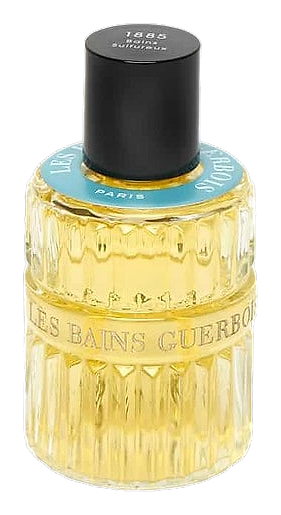
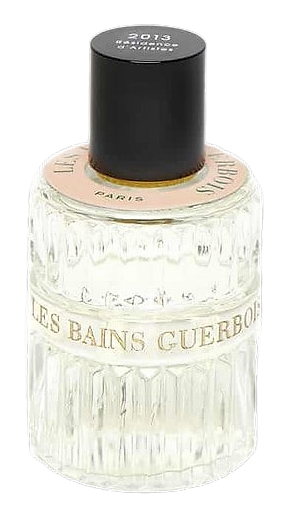
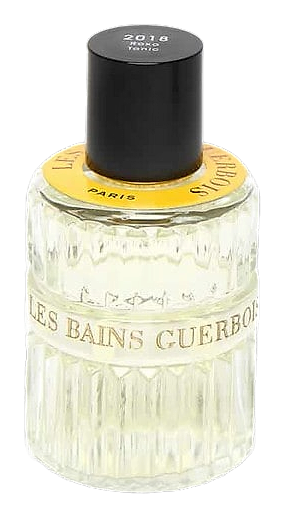
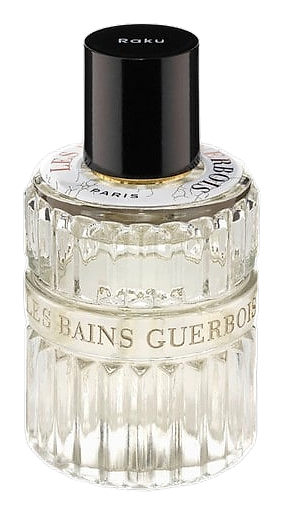
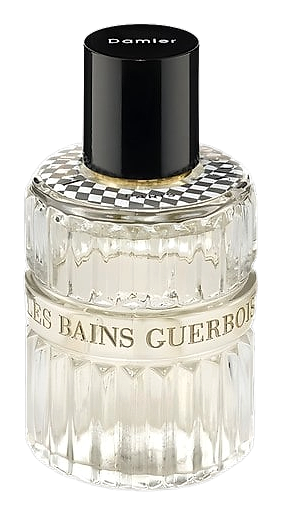
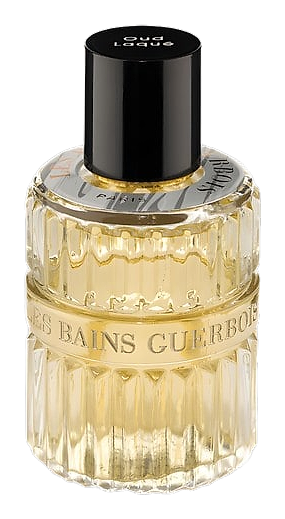
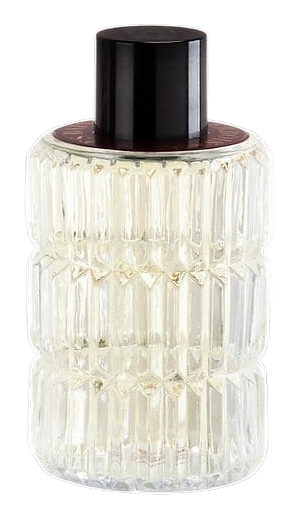
The visual world of Les Bains Guerbois draws its references from the art deco period that defined the bathhouse's peak years. Geometric lines, understated luxury, and period-appropriate typography ground the packaging in something immediately identifiable as Parisian heritage without veering into pastiche. The original Les Bains Douches nightclubs had a theatrical darkness that the brand has acknowledged without simply reproducing. The aesthetic is cooler in person than the club's legend suggests. Clean surfaces, restrained color palettes, and materials that invite closer inspection rather than announce themselves across a room. Think marble corridors at midnight, not a disco mirrored ball. Bottle design reflects this restraint. The Les Bains Guerbois 1885 Eau de Cologne bottle, launched in 2017, set the template: clear glass, clean caps, no excessive ornamentation. Each subsequent release follows the same logic. The visual language is consistent, gallery-like, and rooted in the idea that a perfume house with this much history does not need to shout.
Philosophy
Fragrance should be something that happens to a specific person in a specific place at a specific moment. That is the governing principle behind Les Bains Guerbois. The brand does not build perfumes around trends or abstract mood boards. It builds them around the layered identity of a single Parisian address and the remarkable figures who passed through its doors. Each fragrance in the collection corresponds to a chapter in the life of Les Bains Guerbois itself. Some recall the quiet refinement of the original bathhouse, with their mineral and aquatic references. Others channel the nightclub era, with darker compositions and bolder contrasts. The year-fragrances, such as 1885, 1978, and 1979, name the moments that mattered most to the Guerbois story. The result is a lineup that feels less like a retail range and more like a private museum where each bottle holds a specific, documented memory. Guided by Jean-Pierre Marois of the Guerbois family, the house maintains a deliberate distance from the pace of seasonal releases. The upcoming Rose Graffiti, set for 2026, represents an anticipated addition rather than a pattern. The brand moves when the story is ready to be told.
Key Milestones
1885
François Auguste Guerbois opens the first private luxury thermal bathhouse in central Paris, immediately establishing it as a Parisian temple of beauty and well-being.
1900
The bathhouse enters its golden era as a cultural hub. Proust, Zola, Renoir, and Manet are among the regulars, with Proust drawing on the atmosphere for his most celebrated passages.
1978
The bathhouse transforms into Les Bains Douches, a nightclub that quickly becomes the epicenter of Parisian nightlife, attracting avant-garde artists, musicians, and the couture world.
2017
The Guerbois family launches the Les Bains Guerbois fragrance collection under the hotel's roof, introducing the 1885 Eau de Cologne and establishing a dedicated perfume house.
2020
The brand accelerates its niche fragrance presence with multiple releases including New Wave and Roxo Tonic, demonstrating a widening creative scope.
2022
A strong year for the line, bringing Oud Laque and Damier, two fragrances that deepen the connection between the perfume house and its layered Parisian heritage.
At a Glance
Brand profile snapshot
Origin
France
Founded
1885
Heritage
141
Years active
Collection
2
Fragrances released
Avg Rating
4.0
Community sentiment
Release Rhythm


