The Story
Why it exists.
The beginning
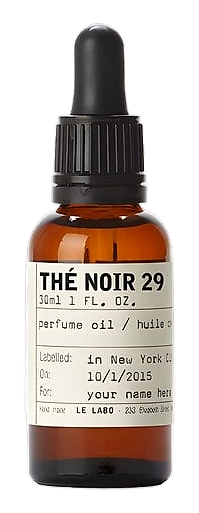
Thé Noir 29 represents Le Labo's formal study of a single ingredient: black tea. Not tea as an accent or a supporting player in a citrus-forward composition, but tea as the central thesis. Perfumer Frank Voelkl built the fragrance around an idea borrowed from the brand's broader philosophy, the wabi-sabi principle of finding beauty in imperfection and incompleteness. A cup of tea is never finished. It cools. It changes. It becomes something different than what you poured. The 29 in the name follows Le Labo's house system, suggesting a time that exists outside ordinary hours, a moment stolen from sleep for one more cup and one more moment alone.
What makes this composition interesting is how it refuses to choose between freshness and depth. The bergamot and bay leaf in the opening give it an aromatic clarity that reads clean, almost medicinal in the best way, like the first breath after opening a tin of loose leaf. But fig shifts the trajectory midway through, adding a faint sweetness that keeps the green notes from going bitter or sharp. The real tension lives in the base: cedar and vetiver are inherently drying materials, the olfactory equivalent of a paper bag crumpling. They don't soften the tea so much as contextualize it, suddenly the tea isn't a morning ritual, it's a weathered afternoon, the cup long empty on a windowsill.
The evolution
The opening arrives quick: bergamot first, bright and citrusy, followed immediately by bay leaf's herbal bite. The black tea doesn't wait either, it pushes through within five minutes, giving the composition its astringent backbone while the fig note adds just a whisper of fruit to keep things from going fully dry. By the second hour, the tea has settled into something more like an impression than an actual note, you sense its bitterness in the way the cedar and vetiver feel slightly bitter themselves, woody without being sweet or resinous. The drydown on skin is where Le Labo's craft shows: a faint trace of cedar and musk remains, close enough to smell if someone stands near you, gone before it becomes a burden. There's a quiet elegance to how the fragrance moves through its stages, each phase bleeding naturally into the next without sharp transitions or jarring shifts.
Cultural impact
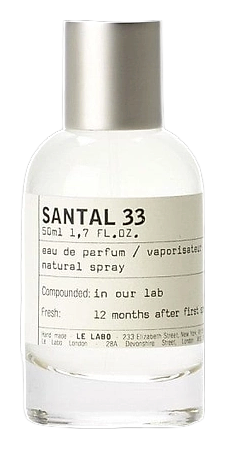
Thé Noir 29 occupies a specific corner of the Le Labo catalog, not the statement fragrance of Santal 33, not the floral subtlety of Rose 31. The tea note presents something genuinely different from the usual woods-and-citrus fare that dominates the market. This is a fragrance for someone who wants to smell like an ingredient rather than an accord, like actual tea leaves steeped in hot water rather than a synthetic recreation of comfort.