
The Story
Why it exists.
The beginning
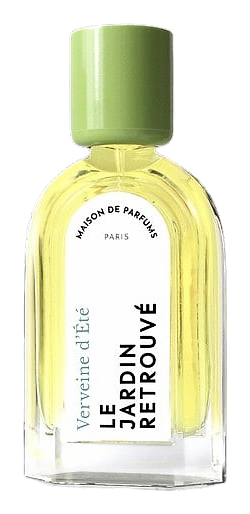
Verveine d'Été arrived in 1978, when 'fresh' still meant something. Yuri Gutsatz wanted to bottle the moment after a rainstorm in a garden, not the garden itself, but that specific charged air, herbs still dripping. Verbena was the choice, and verbena was the argument: its tart, lemony greenness is sharp enough to cut through anything, yet fleeting enough to need anchoring. The solution was oakmoss, Haitian vetiver, the kind of aromatic depth that lets freshness hold its shape for hours instead of evaporating in minutes. The official description says it all: 'like a Summer Garden in Saint Petersburg refreshed by a storm.' That storm is still happening.
The 2016 reintroduction kept verbena front and center. What makes this work is the contrast: verbena's tartness hits first, almost aggressive in its brightness, then the herbal heart softens it, and the oakmoss base keeps everything honest. No sweetening, no smoothing over. Freshness with actual weight to it. The composition refuses to hide behind the usual tricks, instead building something that feels both immediate and lasting. It's a fragrance that asks you to pay attention, to notice how the initial sharpness settles into something more considered as the hours pass.
The evolution
The opening is all verbena and lemon, sharp and immediate, petitgrain adds a bitter, waxy edge that keeps it from feeling like cleaning product. This phase is electric but brief. The herbs take over, basil and lavender shift the tone cooler, more medicinal. Then the oakmoss arrives. That's the tell. It brings damp earth, something almost animalic under the green, and the vetiver locks it in. The drydown isn't subtle, it's aromatic depth that projects quietly for hours. Intimate sillage means people notice when they're close, not across the room.
Cultural impact
The house positions itself as a counterpoint to mainstream fragrance culture, offering a different kind of proposition for those who want more from their scent. Verveine d'Été has found its audience among wearers who appreciate what green can be when it's done with intention, when the herbs and earth notes have room to speak. The house itself maintains a lower profile, letting the work speak for itself rather than chasing visibility. It's the kind of fragrance that attracts people through word of mouth, through discovery.