The Story
Why it exists.
The beginning
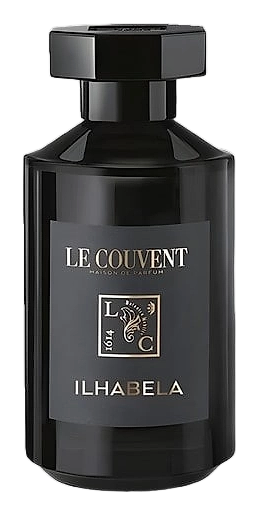
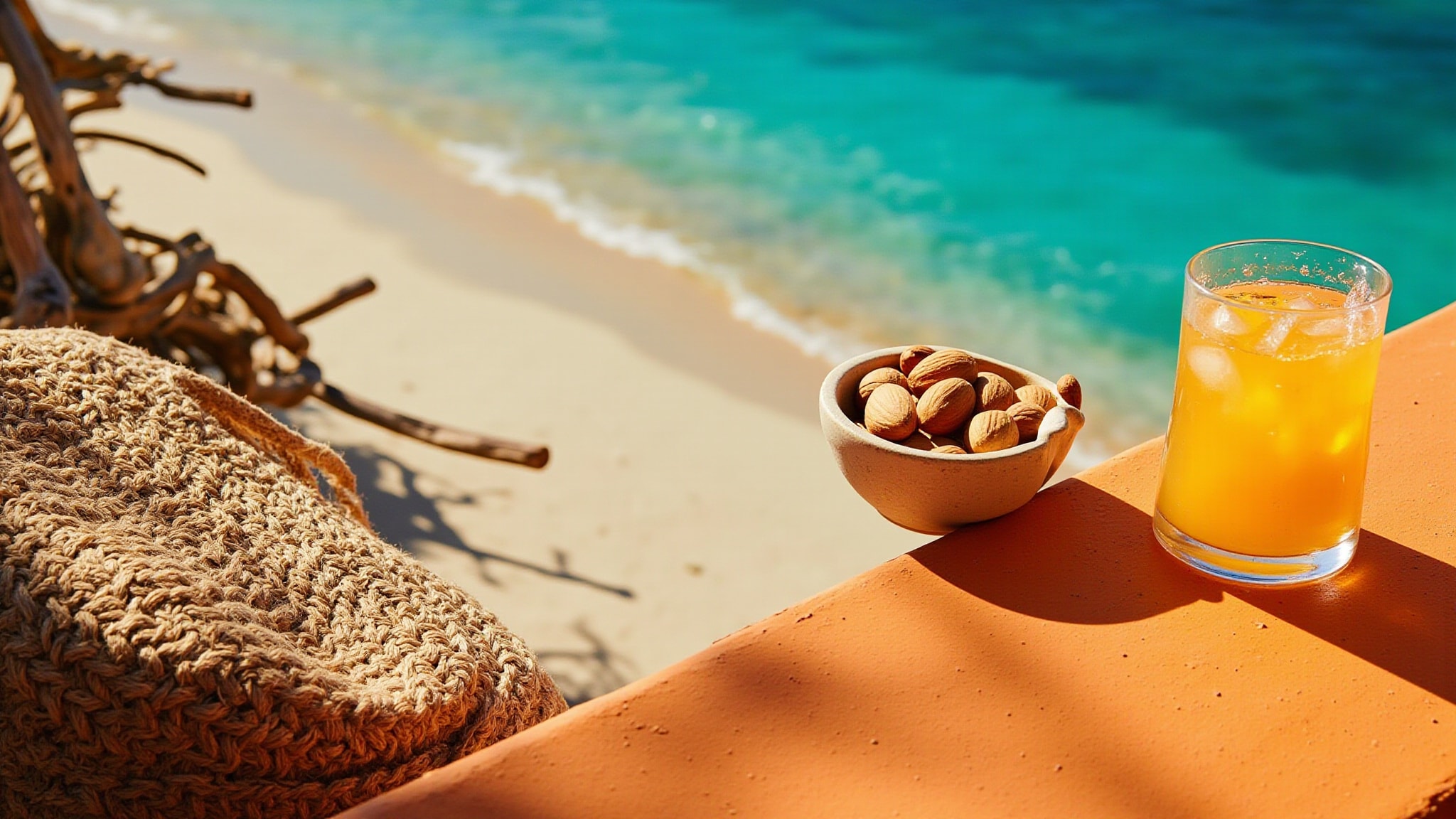
Ilhabela takes its name from the emerald-green island that crowns Brazil's Atlantic coast, where jungle humidity meets sun-kissed sand. Perfumer Amelie Bourgeois set out to bottle that contrast, and the composition reflects her approach: opening with sweet almond and mandarin to capture the island's immediate warmth, layering in vanilla and heliotrope for the lush floral heart, and anchoring with ambroxan and sugar for a drydown that mirrors the island's effortless cool evening breeze.
The note selection reflects a deliberate philosophy: sweet almond and vanilla create an edible, comforting base, while mandarin and cinnamon provide the brightness and warmth necessary to evoke a sun-drenched location. Heliotrope bridges the gap between sweetness and elegance, and ambroxan ensures the final impression remains refined rather than cloying. This is not a fragrance about complexity or surprise; it is about capturing a feeling of warm, simple pleasure and presenting it with monastic restraint.
The evolution
The scent journey begins with the tactile pleasure of sweet almond paired with bright mandarin, a combination that feels like stepping off a boat into tropical sunlight. Cinnamon adds a brief spice that nods to the island's warmth without overwhelming. As the minutes pass, vanilla emerges, its creamy richness softening the earlier brightness into something more intimate. Heliotrope follows, contributing a powdery floral quality that feels nostalgic and grounded. By the drydown, ambroxan takes over, lending clean sophistication while sugar maintains a subtle sweetness, leaving the wearer with a warm, lingering trace.
Cultural impact
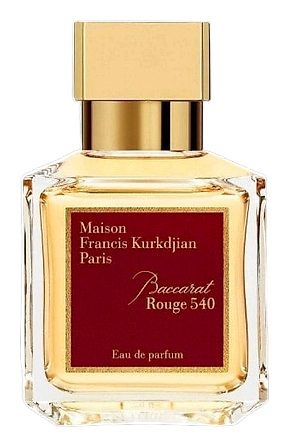
Since its 2024 debut, Ilhabela has become a quiet favorite among fans of the Eaux de Parfum Remarquables line, often mentioned alongside Baccarat Rouge 540 for its amber‑rich drydown and synthetic sparkle. Wearers note its ability to feel both exotic and meditative, making it a go‑to for evenings when a subtle yet distinctive aura is desired. Its balanced sweet‑spicy profile has sparked conversation on forums about how a monastic‑inspired house can capture a tropical island vibe.
The House
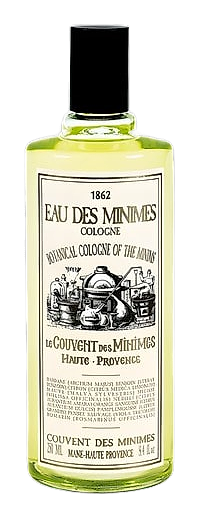
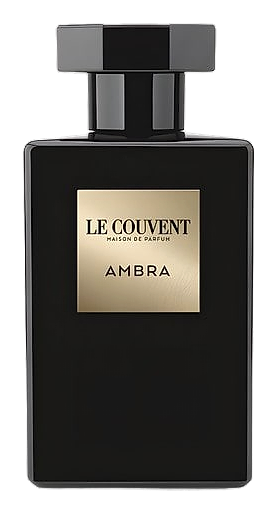
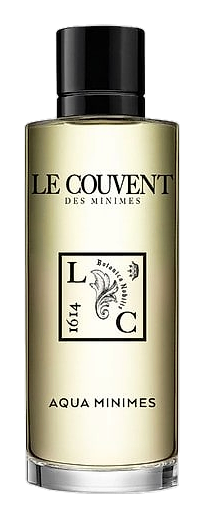
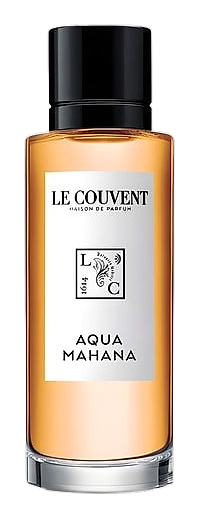
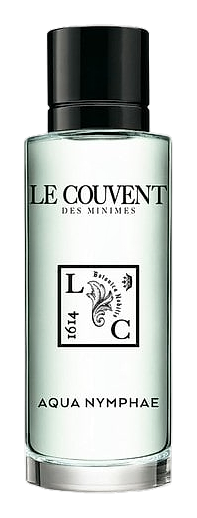
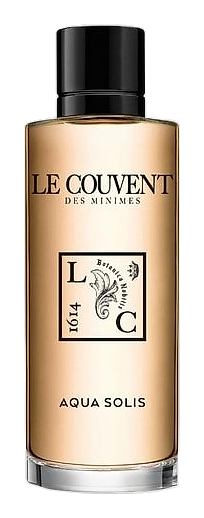
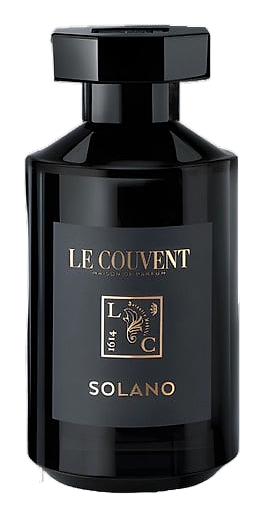
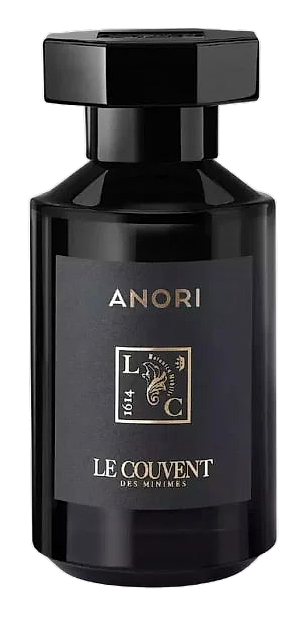
Le Couvent Maison de ParfumLe Couvent Maison de Parfum is a French niche house that translates the quiet ritual of monastic life into scent. Founded in 2012, the brand draws on the stone walls and herb gardens of historic convents in the South of France. Its portfolio ranges from bright body splashes to deep eau de parfums, each framed as a moment of contemplation. The line feels like a walk through cloistered corridors, where citrus, amber and tonka unfold with the same measured grace that a monk might apply to a manuscript.
The Creator
Amelie Bourgeois & Jean-Claude EllenaBourgeois works within classical perfumery structures but pushes against the expected. She favors material combinations that surprise, finding harmony in contrasts others might avoid.