Sweet Almond
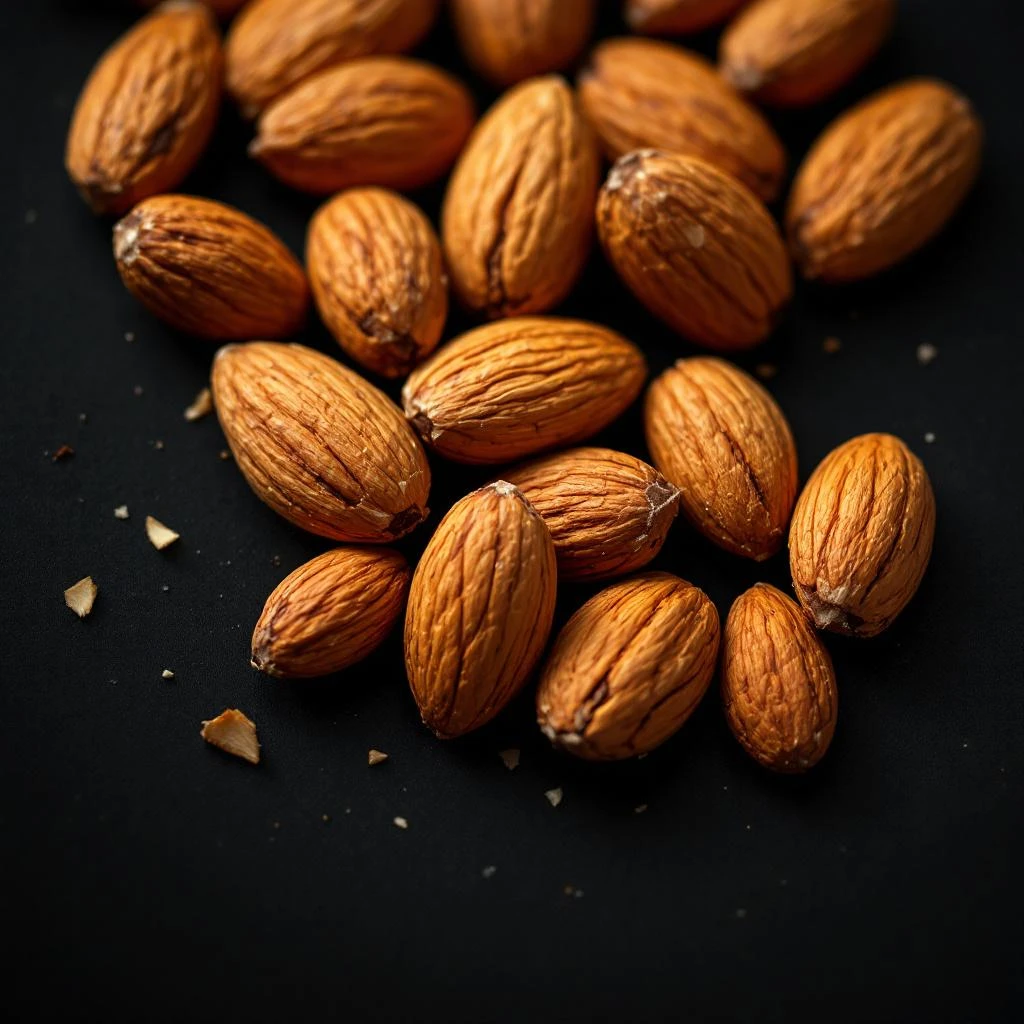
Sweet almond offers a gentle, nutty aroma with a whisper of marzipan, grounding fragrances in warm softness while adding subtle depth and a comforting, edible nuance.
Character
How it smells
Nutty softness that anchors any scent.
Almond’s signature scent comes from benzaldehyde, a compound also found in cherry pits; a single almond kernel releases enough benzaldehyde to flavor a cup of tea.







Origin
Spain
Almond fragrance traces its roots to ancient Egypt, where cold‑pressed almond oil was mixed with frankincense and myrrh to create balms for temple rites. Archaeological residues from a 1500 BC burial chamber reveal a 3:1 almond‑to‑frankincense blend, indicating its early status as a luxury base. The Greeks and Romans adopted the oil for personal grooming, noting its soothing qualities in writings of Pliny the Elder.
During the medieval period, almond oil traveled along trade routes to the Islamic world, where it flavored attars and confectionery perfumes. The 19th century brought the first synthetic recreation of almond’s key molecule, benzaldehyde, after German chemist Ferdinand Tiemann isolated it from bitter almond kernels in 1875. This breakthrough allowed perfumers to amplify almond’s presence without relying on seasonal harvests.
In the 20th century, cold‑pressed sweet almond oil became a staple in fine fragrance houses, prized for its ability to soften sharp citrus and anchor warm amber accords. Today, both natural and synthetic almond notes coexist, reflecting a lineage that spans millennia from tombs to modern laboratories.
Wears it best
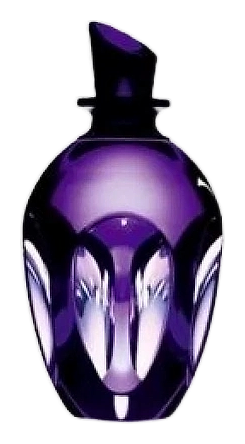
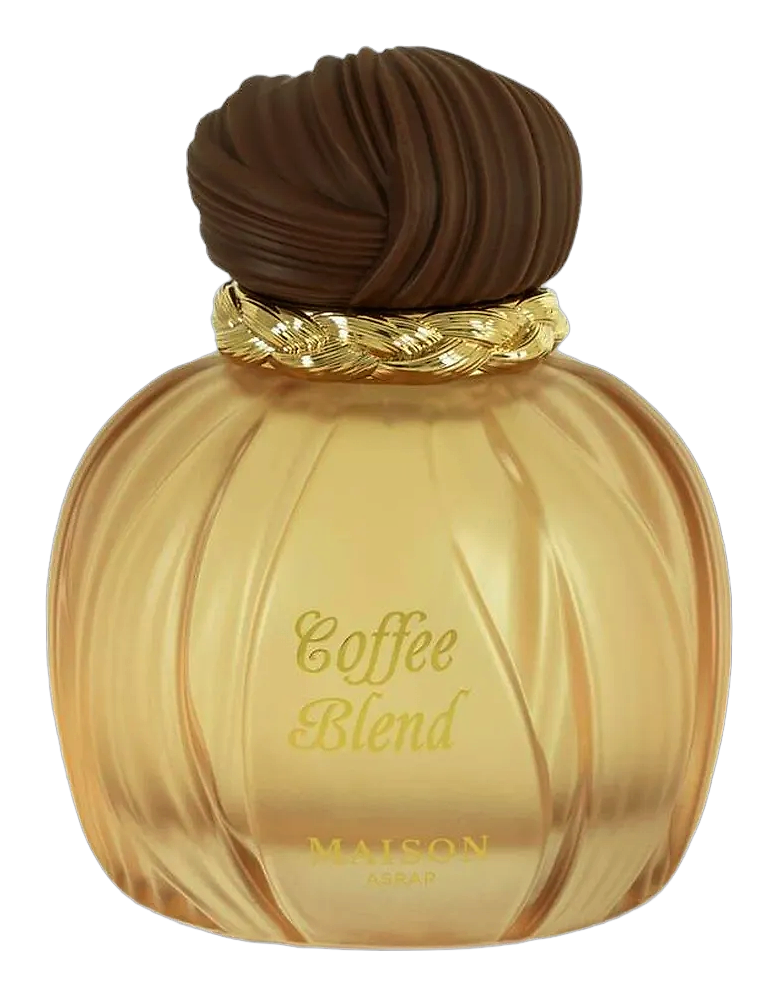
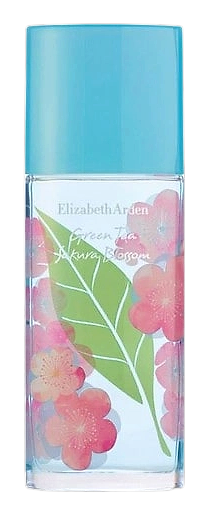
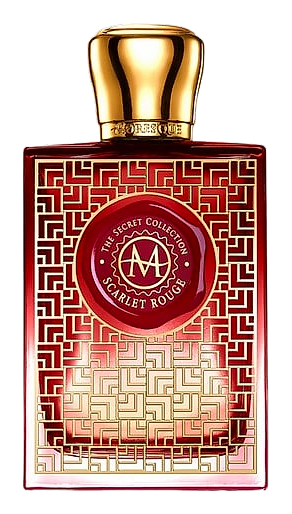
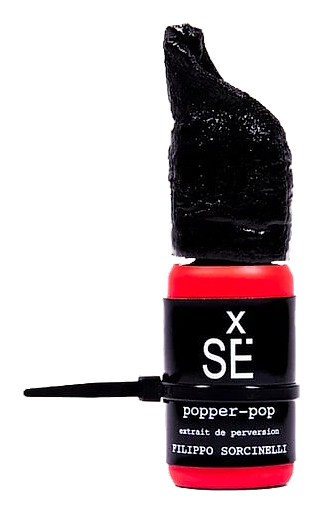
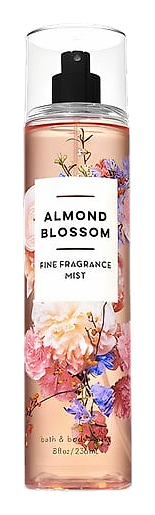
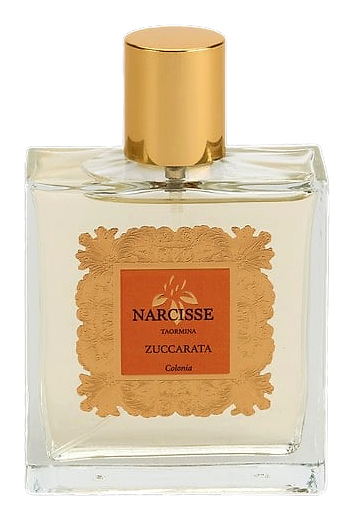
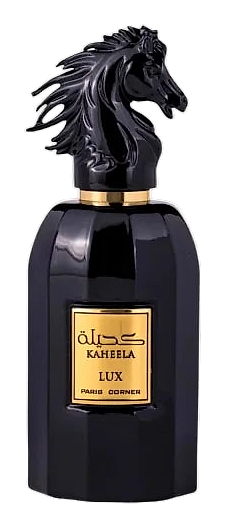
Fragrances featuring Sweet Almond


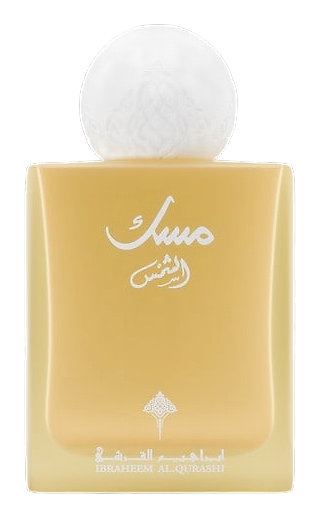
Brands
Brands known for Sweet Almond
Good to know
Questions, answered
The essentials on Sweet Almond in perfumery: how it smells, where it comes from, and how it behaves on skin.
What primary aroma does sweet almond provide in a fragrance?
Sweet almond delivers a soft, nutty scent with a hint of marzipan sweetness. It is recognized for its gentle, milky nuance; a 2021 GC‑MS analysis recorded benzaldehyde as the dominant compound at 68% concentration. This profile blends well with florals and warm woods, adding depth without overpowering the composition.
How is natural sweet almond oil obtained?
Producers extract oil by cold pressing ripe almond kernels, preserving its delicate aroma. In 2020, Spain reported a yield of 45 kg of oil per 100 kg of kernels, confirming the efficiency of the method. The process avoids heat, which can degrade benzaldehyde, the key scent molecule.
Can sweet almond be synthesized for perfumery?
Yes, chemists produce synthetic benzaldehyde to replicate sweet almond’s core note. The compound entered commercial use in 1885, providing a stable alternative when natural supplies fluctuate. Its purity is measured at 99.5 % by gas chromatography, ensuring consistent performance across batches.
What skin benefits does sweet almond oil offer in cosmetics?
Sweet almond oil moisturizes and soothes, thanks to its high linoleic acid content. A 2019 dermatology trial recorded a 22 % reduction in transepidermal water loss after two weeks of twice‑daily application. Participants also noted a smoother texture without irritation, supporting its reputation as a gentle carrier in fragrance blends.
How did ancient cultures incorporate almond scent?
Egyptians infused almond oil into balms and scented oils, using it as a base for ceremonial perfumes. Archaeological residues from a 1500 BC tomb showed almond oil mixed with frankincense in a 3:1 ratio. The blend provided a lasting aroma that survived millennia, confirming almond’s early role in luxury scenting.
What synthetic alternatives mimic sweet almond’s profile?
Phenylacetaldehyde and ethyl maltol are often blended to echo almond’s sweet‑nutty character. In a 2022 formulation study, a 2 % phenylacetaldehyde mix reproduced the almond aroma with a similarity score of 87 % in blind tests. The addition of 0.5 % ethyl maltol balanced the fruity edge, creating a stable, cost‑effective substitute for natural oil.
Does sweet almond cause allergic reactions in fragrance use?
It can trigger reactions in individuals sensitive to nut proteins, though the oil’s volatile fraction contains minimal protein. A 2018 patch‑test survey found 1.2 % of participants reacted to almond fragrance at 0.5 % concentration. Therefore, formulators keep almond levels below 0.3 % in products intended for broad consumer use.
How does sweet almond interact with other perfume notes?
It bridges bright citrus and deep amber, smoothing transitions. In a 2021 blind panel, blends containing 5 % almond showed a 15 % increase in perceived harmony compared to mixes without it. The note also supports floral bouquets, adding a subtle richness that enhances longevity.