The Story
Why it exists.
The beginning
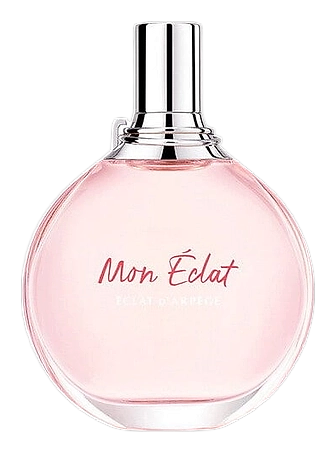
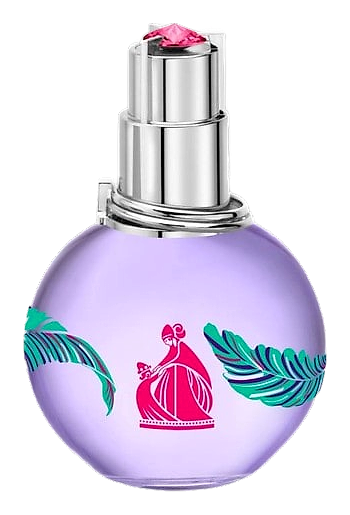
In 2017, Lanvin released a collector's bottle of Éclat d'Arpège, a limited edition twist on their clean, musky floral from 2001. Perfumer Karine Dubreuil-Sereni kept the green tea structure but shifted the florals: lilac and peony instead of jasmine and rose, peach blossom in the opening instead of lemon verbena. The drydown swapped the original's sandalwood for cedar. Same house, different story. This was a fragrance for people who already loved Éclat d'Arpège but wanted something softer, warmer, less performative, a spring edition, almost literally, named after what was blooming.
The interesting move is the cedar replacing sandalwood. In perfumery, cedar often reads cleaner, more transparent, it doesn't linger the same way sandalwood does. Here, it shortens the drydown, keeps the base intimate rather than monumental. Combined with white musk, you get warmth without weight. The lilac-peony heart is deliberately powdery, less heady than jasmine, more nostalgic. Petitgrain bridges the fresh opening and warm finish with its bitter-orange leaf character. The result is a flanker that earns its name: tropical flower in structure, but restrained in expression.
The evolution
The opening announces itself immediately, green tea's clean bitterness, petitgrain's citrus-zest bite, a whisper of peach blossom rounding everything. The transition happens within minutes: the green tea facet dims, the florals rise. Lilac and peony dominate the heart, powdery and romantic, almost nostalgic. Cedar arrives in the base, clean and woody, followed by white musk that softens the edges. The drydown is warm, intimate, lasting through a full workday on most skin. What lingers is cedar and white musk, clean, close, the kind of warmth you only notice when you're leaning in.
Cultural impact
Eclat d'Arpege Tropical Flower occupies a quiet space in the Lanvin lineup, a flanker that actually differs from its predecessor, aimed at wearers who want the house's elegance without the original's musky assertiveness. The green tea-lilac-peony combination gives it a distinctive character among spring florals, while the cedar base distinguishes it from other fruity-green scents in the broader market. It's found its audience among office wearers and spring-summer enthusiasts who prefer refinement to statement.