The Story
Why it exists.
The beginning
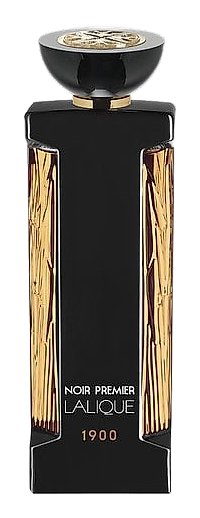
Fleur Universelle means 'universal flower', the one bloom that could stand in for all others. In 2014, perfumer Julie Massé translated that ambition into a composition built around immortelle, the flower that literally never fades. Even dried, even pressed, it holds its shape and scent indefinitely. The name carries that intent, connecting the fragrance to a botanical specimen that accumulates years without deteriorating. The 1900 in the full name nods to a crucial year in Lalique's history, but the fragrance itself belongs to now, a bridge between the house's crystal heritage and a contemporary wearer who wants something lasting and meaningful.
The opening announces itself with rum and cardamom, bold and warm, but the heart takes over with immortelle, also called helichrysum or everlasting flower. This botanical carries a honey-maple note with a slightly bitter herbal edge that cuts through the sweetness. It doesn't smell like a typical floral. It smells like something preserved. Lorenox adds an ambery, mineral quality to the base, giving the composition a depth rarely found in mainstream fragrances.
The evolution
The first ten minutes are all energy: rum's sweetness, cardamom's spice, pink pepper's bright bite. Then the immortelle arrives, and the composition shifts from playful to grounded. This phase holds for hours, myrrh and cinnamon weaving through the honeyed floral, creating warmth that doesn't push. By the fifth or sixth hour, the base takes over. Tonka bean adds sweetness that stays close to skin. Patchouli grounds everything with earth. Lorenox gives the drydown an ambery dryness that lingers through the evening. On some skin, this fragrance is still detectible the next morning, not as a projection, but as a warmth in the crook of the wrist.
Cultural impact
Fleur Universelle arrived in 2014 as part of Lalique's collection of warm spicy-oriental fragrances. Immortelle takes center stage as the primary floral note, a botanical choice that distinguishes this composition from typical floral fragrances. The narrative connects to the flower's symbolic permanence, framing the fragrance as both a sensory object and an exploration of persistence and timelessness. Lalique's approach to Fleur Universelle reflects the house's broader interest in materials with history and meaning, using the immortelle flower to anchor the composition in something tangible and evocative.