The Story
Why it exists.
The beginning
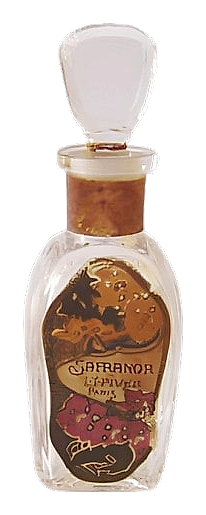
Safranor arrived in 1904 from L.T. Piver, a house that had already been composing fragrances for nearly 130 years by then. The name says what it is: saffron, and then more. Piver had built its reputation through decades of steady work, crafting compositions that placed a single ingredient at the center and trusted it to carry the weight. Safranor was a demonstration of that approach, a study in how one spice could anchor an entire fragrance when given enough room. The house didn't need to explain what saffron could do. It just proved it, letting the raw material speak in a register that felt both familiar and slightly unfamiliar. There's a directness to it that makes you lean in rather than lean back.
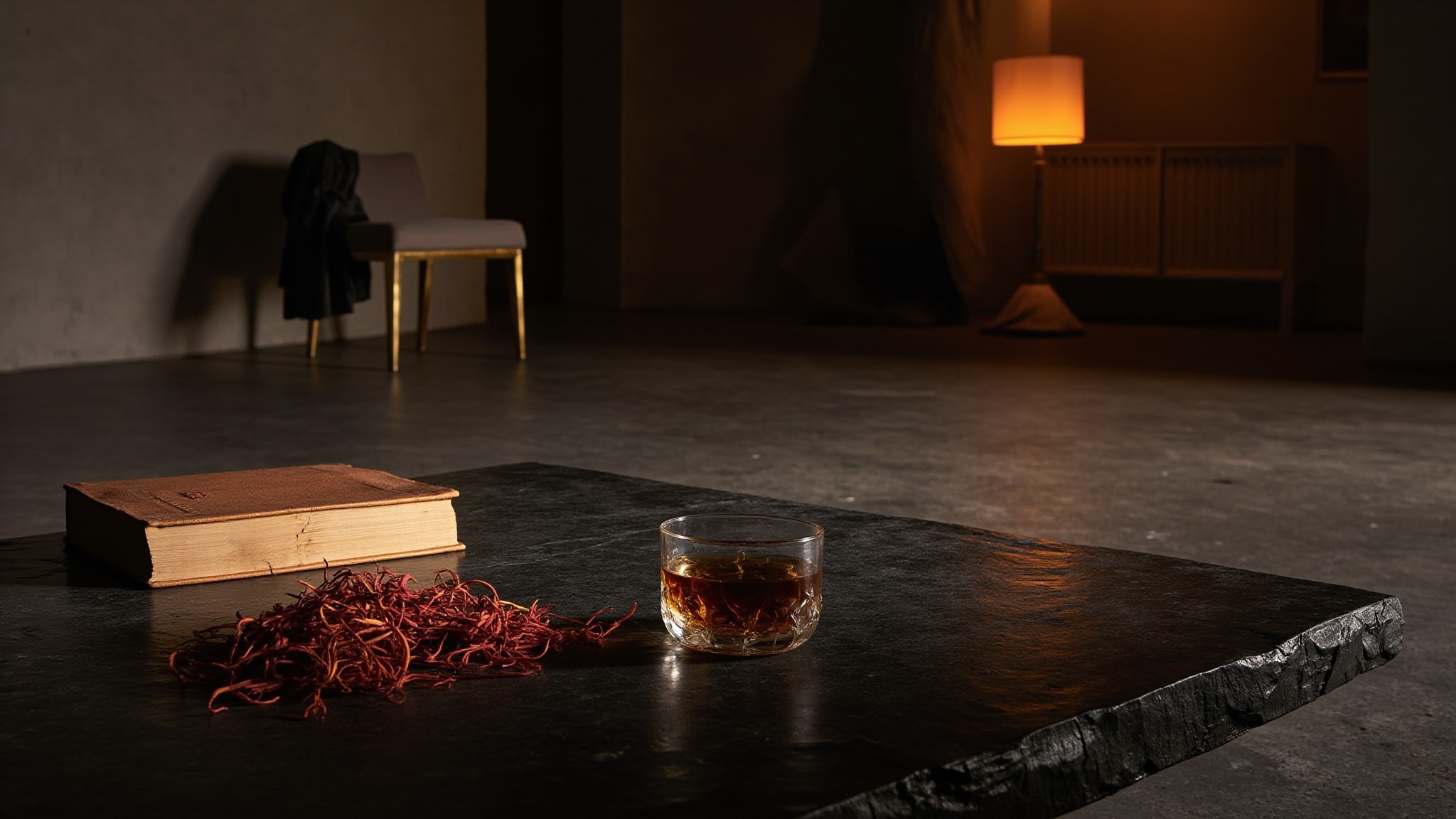
What makes Safranor interesting is the metallic register the saffron opens into. Most saffron compositions lean leathery or sweet, pulling the note toward dessert. This one pushes it toward something colder, more mineral, almost like saffron that's been stored near raw metal. The spicy accord underneath anchors that brightness with something warm, holding the composition in a state of tension rather than letting it resolve. It's a structure designed to stay awake on skin, to keep that mineral flicker present even as the warmer notes try to round things out.
The evolution
The first minutes are all bite. Saffron arrives sharp and almost metallic, the way certain spices smell when they're heated dry in a pan before anything else joins them. Within 20 minutes that edge softens into the heart, where the warmth gets fuller and a leathery character rises underneath. The drydown settles into an earthy, faintly sweet base that stays close to skin for the remaining hours. Nothing about it is loud, but nothing disappears either. The saffron note outlasts most of what surrounds it, leaving a warm metallic trace that lingers into the next morning on fabric. You catch yourself checking your wrist hours later and finding it still alive, still doing something.
Cultural impact
Safranor sits in a narrow category: fragrances that took a single material and built an entire composition around it. It's a structure that rewards people who already know what saffron can do when it's not wrapped in sugar. The composition feels sterner, more austere, closer to the raw material than to any modern interpretation of it. The opening hits with a metallic clarity that sets the tone for the whole wear, and the drydown holds onto that character even as it softens. It's the kind of bottle that gets people asking what it is, partly because the smell doesn't fit the usual saffron template.