The Story
Why it exists.
The beginning
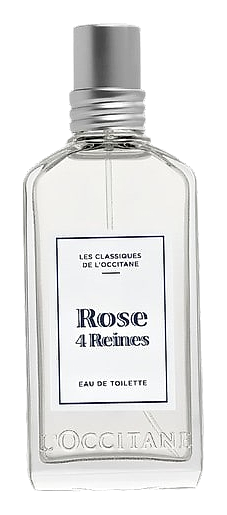
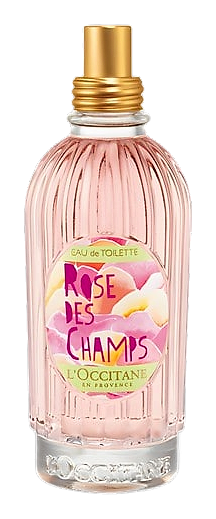
The name says everything. Rose des Champs, Rose of the Fields, arrived in 2012 with a clear intention: to smell like wild roses growing in open countryside rather than cultivated blooms in a formal garden. The variety used here isn't the waxy, heavily-hybridised rose of perfumery tradition but something altogether more honest. Wild rose brings a freshness that speaks of open air and natural growth, a quality that captures something genuine about the flower before it ever reaches a perfume bottle. That's precisely what makes it worth preserving.
Wild rose behaves differently in composition than the more familiar rose varieties typically used in perfumery. Where those often present as smooth and predictable, wild rose has an edge that feels more immediate. The fragrance pairs this botanical honesty with the freshness of just-cut grass and anchors it with a dry cedar-tonka base, creating something that refuses to smooth out its edges. There's no overdose of sweetness to make it universally approachable.
The evolution
The opening arrives crisp and immediate, lemon zest lifting the scent bright before grass asserts its green presence. That combination cuts sharp and botanical before the wild rose emerges from the green and floral heart. Meadow flowers and a whisper of pear keep the middle airy and natural, never tipping into the syrupy rose territory. As the top notes soften, cedar draws the fragrance inward, settling warm against skin. Tonka bean adds a thread of sweetness to the drydown that stays intimate and close, wrapping the wearer in quiet warmth. The fragrance fades quietly without ever demanding attention, leaving a gentle presence that lingers softly.
Cultural impact
Rose des Champs offers something quieter and more honest than conventional rose fragrances. Wearers describe it as the fragrance for someone who wants to smell like a walk through open countryside rather than a rose garden. The wild rose note gives it something greener and less obviously floral, a quality that sets it apart from more traditional takes on rose. It's the kind of scent that appeals to those who want fragrance to feel natural rather than constructed, personal rather than performative.