The Story
Why it exists.
The beginning
In 2010, L'Occitane turned to Jean-Luc Rivière, a peony gardener from Drôme, France, internationally recognized for his cultivation of the bloom. The story goes that Paeonia was a fairy so beautiful even the gods grew jealous. They transformed her into a flower with a thousand petals. The top note brings bergamot and grapefruit, clean, sparkling, a quick brightness before the flower opens. The heart is pure peony and rose, full and velvety. The base, sandalwood and musk, extends the bloom into something that lingers on skin long after you've left the garden. The bergamot opens with a crisp, citrus brightness that feels like morning light catching the petals. Grapefruit adds a tart sparkle that lifts the composition without overwhelming it.
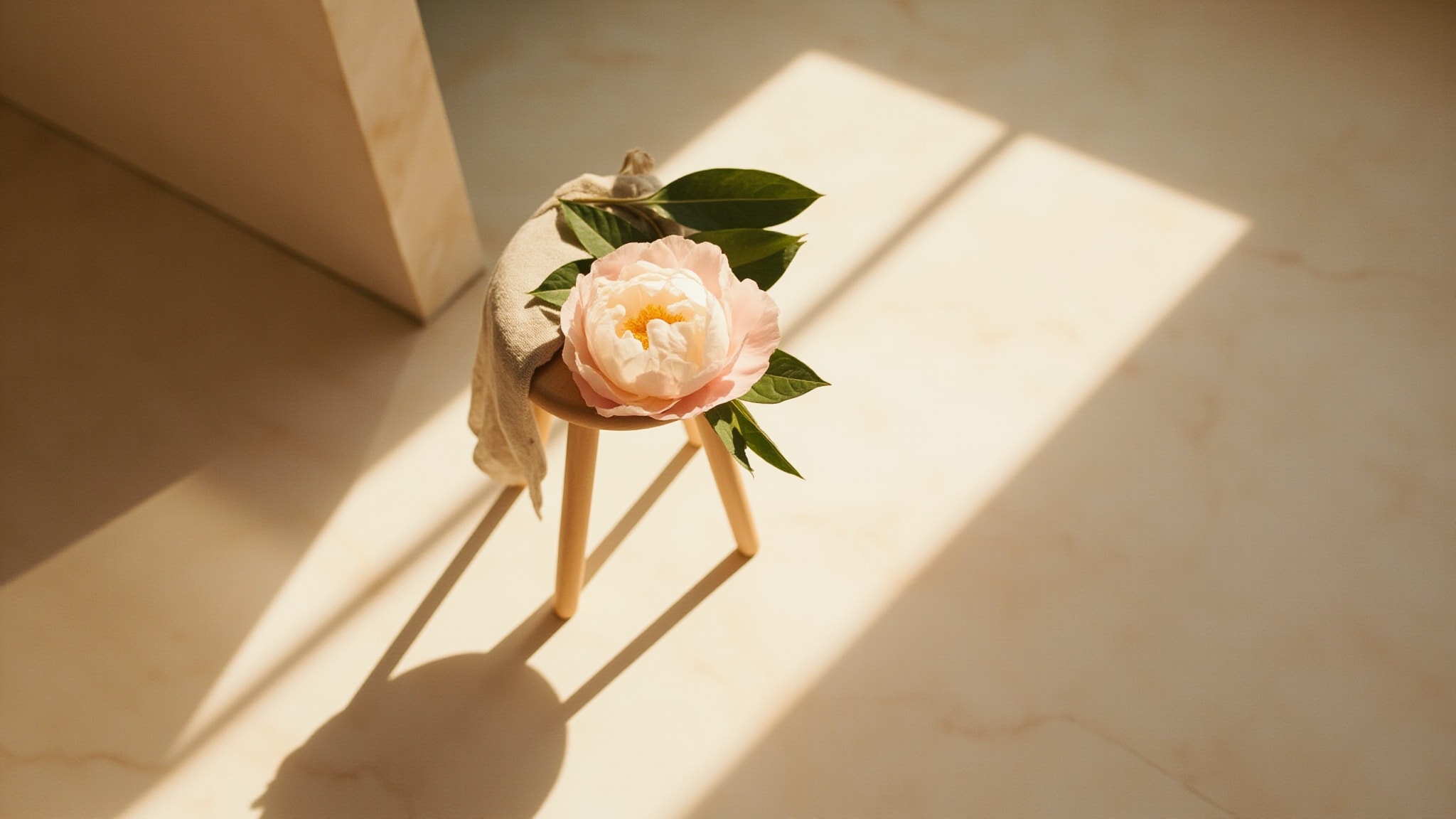
Peonies don't rush. They open slowly, layer by layer, each petal revealing something the last one only hinted at. The fragrance does the same thing, a bright citrus preface, then a floral heart that builds in richness rather than arriving all at once. The sandalwood-musk base isn't an ending. It's the quiet that follows. The citrus opens first, creating an immediate sparkle that fades as the peony takes over. The rose deepens the floral heart, adding richness without sweetness. Sandalwood and musk provide a warm, lingering base that extends the fragrance's presence on the skin.
The evolution
The opening hits clean. Bergamot and grapefruit, a tart citrus sparkle that reads bright and a little sharp, like the first morning light over a garden row. No delay. It announces itself and then steps back, making room. Within minutes the peony arrives. Not a whisper. A full, rounded, creamy bloom that takes over the composition and makes the citrus seem like a memory. The rose underneath adds depth, not sweetness exactly, but richness. A velvet quality that anchors the heart. When the drydown finally arrives, it comes quietly. Sandalwood and musk don't compete with the peony. They host it. A soft, warm close that stays close to the skin throughout the day. The citrus opening provides immediate brightness, then transitions smoothly to the floral heart. The peony dominates, with rose adding depth.
Cultural impact
L'Occitane en Provence was founded in 1976 by Olivier Baussan, who began by distilling rosemary oil to sell at local markets. The brand positioned itself as a curator of Provençal wellness traditions, bringing handcrafted authenticity to the modern beauty landscape at a time when mass-market cosmetics dominated. This approach, rooting formulations in regional botanicals and artisanal methods, helped shape how consumers understood authenticity in fragrance. Peony, launched in 2010, reflects this heritage. Rather than a complex blend, it centers on a single flower.