The Story
Why it exists.
The beginning
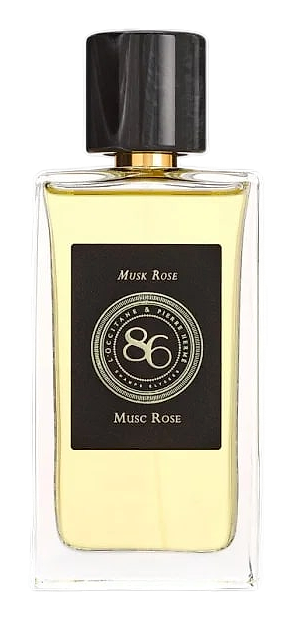
Musc Rose arrived in 2020, composed by Dora Baghriche-Arnaud, a perfumer whose name appears alongside DSM-Firmenich in the fragrance's credits. She approached rosa centifolia as the anchor material, building outward into fruit and spice rather than letting the rose carry the composition alone. The finished fragrance reads as a modern rose that pulls in two directions at once, candied on the surface and sharper underneath. L'Occitane chose its rosa centifolia source for the project, and the resulting juice sits in an interesting territory between sweet and savory, between the lushness of a candied fruit and the dry bite of saffron.
What makes the composition structurally interesting is how the rose centers the whole arc. The candied fruits and lychee at the top do the sweetness work, patchouli and saffron supply the slightly bitter counterweight, and white musk handles the trail. Rather than following a traditional pyramid where the bloom recedes as heart and base take over, the rose keeps its presence throughout. The interplay between fruit, flower, and spice feels continuous, with each note threading into the next rather than stacking in layers.
The evolution
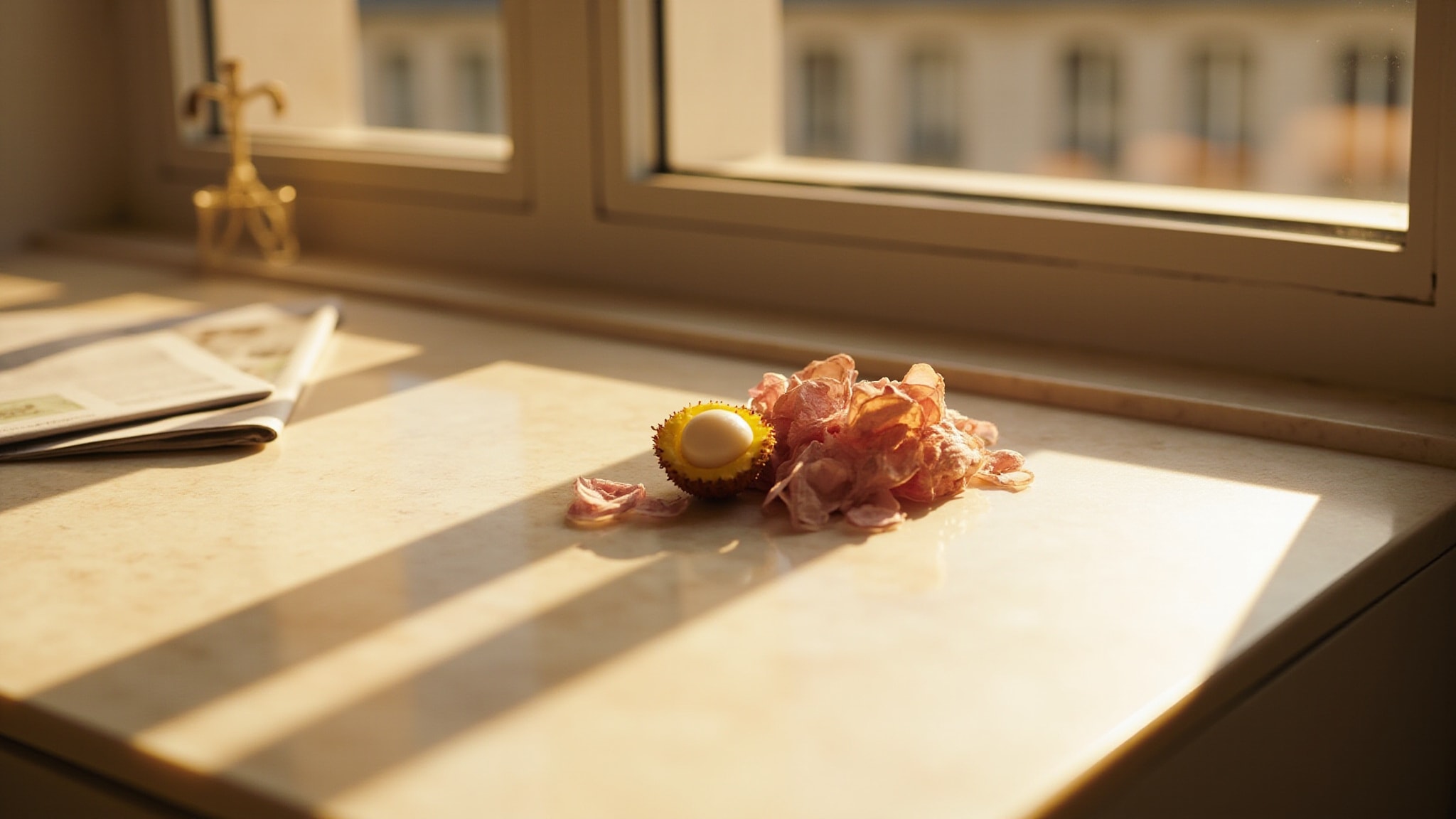
Musc Rose opens with a tender mist of rose petals, soft and unguarded, as if a freshly cut bouquet has been left on a sunny windowsill. A glance of candied fruit sweetens the air almost immediately, lychee adding its rosewater-hued plushness as the florals deepen into something richer and more honeyed. As the first hour passes the musk begins to rise, wrapping the petals in a creamy haze that feels like bare skin pressed against warm linen. The dry down settles quietly, leaving a powdery whisper that clings to fabric and hair well into the next afternoon, gentle but persistent.
Cultural impact
Musc Rose draws wearers who want a rose that doesn't sit politely in the background. The saffron-litchi combination reads as modern and slightly confrontational, a rose reimagined through fruit and spice rather than through the powdery lens of classic florals. It offers something distinct for anyone tired of the conventional rose vocabulary, a composition that treats the flower as one voice in a conversation rather than the whole conversation itself. The blend of sweetness from the lychee, the dry warmth of saffron, and the earthy depth of patchouli creates a rose that asserts itself.