The Story
Why it exists.
The beginning
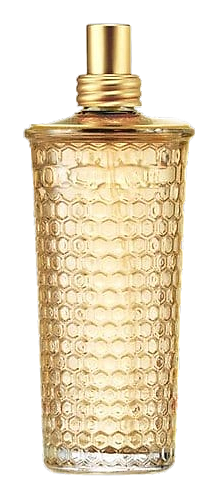
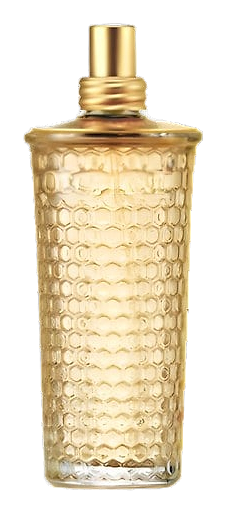
The fragrance pairs white honey with Amalfi lemon as its defining elements. These two notes anchor the composition, giving it a clear identity from the first spray. The citrus arrives bright and immediate, carrying that clean, almost tart quality that lemon brings to a fragrance. Orange blossom and freesia soften the composition, adding floral depth that rounds out the sharpness. At the base, vanilla and apricot create warmth, a gentle sweetness that extends the wear without pushing the scent into heavy territory. The result is a fragrance built around a straightforward idea: honey and lemon, presented without embellishment or unnecessary complexity.
Honey in perfumery often plays supporting roles, but here it steps forward and stays. The ingredient brings a natural sweetness that feels edible without being overtly gourmand. Combined with Amalfi lemon's bright citrus and a floral heart of orange blossom and freesia, the composition leans warm and inviting. The vanilla-apricot base extends wear while keeping sillage moderate. There's a luminous quality to the blend, a brightness that comes from the interplay between the citrus top and the honeyed heart, and it stays close to the skin as it develops.
The evolution
The opening hits bright. Lemon and green notes arrive sharp and immediate, the kind of citrus that reads clean and almost tart. Then the florals settle in. White honey, African orange blossom, yellow freesia, the heart is soft, sweet without being cloying. The sweetness doesn't sit on top of the skin; it sinks in, becoming part of the fragrance's natural warmth. By the time you reach the base, vanilla and apricot have taken over, holding things close. The fragrance doesn't announce itself, it lingers. Honey stays closest to the skin through the drydown, giving the final hours a soft, intimate quality that feels personal.
Cultural impact
Miel & Citron Pailletee Shimmering joined L'Occitane's lineup in 2009, part of a house known for wearable, botanical fragrances that favor comfort over drama. The honey-citrus combination has roots in the broader gourmand trend of the era, but L'Occitane's approach kept it light and approachable rather than heavy or excessive. The fragrance offers a soothing character, a scent that doesn't demand attention but rewards those who notice. Its blend of bright citrus and gentle sweetness makes it a versatile choice for everyday wear.
The House
L'Occitane en ProvenceL'Occitane en Provence is a French fragrance house rooted in the botanical traditions of southern France. Founded in 1976, the brand translates the scents of wild rosemary, lavender and almond into perfumes, body mists and skincare that feel like a walk through a Provençal market. Today the company ships its scented creations to more than 90 countries, yet each bottle still carries the imprint of the hills, stone houses and sun‑baked fields where the first essential oils were distilled. The line balances classic floral and warm amber notes with a modern sensibility for natural ingredients, offering a quiet alternative to the louder, synthetically driven offerings that dominate many shelves.
The Creator
Thomas FontaineFontaine is drawn to natural ingredients and classical perfumery structures, favouring compositions with depth, clarity, and a sense of time embedded within them. He has demonstrated a particular skill with tuberose and rose-jasmine accords, visible across his Jean Patou work,…