The Story
Why it exists.
The beginning
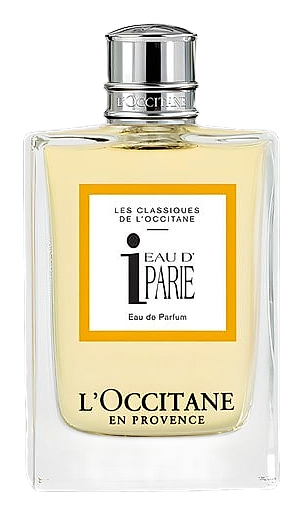
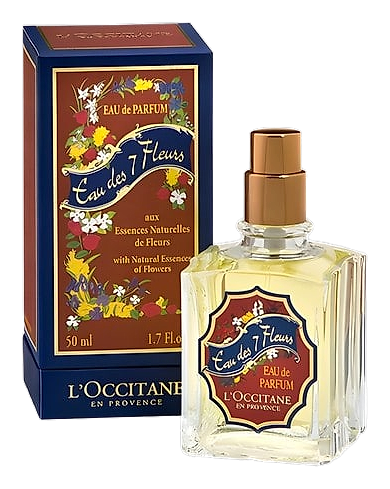
Jérôme Epinette designed Eau des 7 Fleurs around a simple proposition: what happens when you layer seven distinct florals and let them fight it out on skin? The answer, it turns out, depends entirely on your relationship with powder. Released in 2005, the fragrance takes its name seriously, jasmine, neroli, mimosa, tuberose, rose, narcissus, and iris share space without a single structural note to hold them together. No wood, no amber, no oriental warmth. Just flowers, stacked high. It was a bold move for a mainstream brand, even bolder for one built on botanical authenticity. The perfumer wasn't hedging. He was betting that enough of the right bloom, in the right proportion, could hold its own weight. Whether that bet paid off depends on who you ask. For lovers of powdery florals, it reads as restraint, seven flowers behaving themselves. For those who want their florals to announce themselves, the lack of foundation can read as thinness.
Seven flowers without a woody or ambery anchor is structurally unusual. Most floral fragrances lean on something solid to catch the petals as they fall, sandalwood, musks, a warm base that extends the drydown. Eau des 7 Fleurs refuses that safety net. Instead, it builds its architecture from the flowers themselves: jasmine and tuberose provide body, neroli and rose add brightness, and the real structural work comes from iris and mimosa, which carry a natural powdery quality that other notes lack. The result is a fragrance that stays floral from open to close, no phase where flowers step aside for woods or resins.
The evolution
The opening announces itself quickly, neroli and a flash of citrus that reads clean, almost soapy. Not harsh, but immediate. Within ten minutes, jasmine and tuberose move in and the soapiness softens into something creamier. This is the fragrance's most vulnerable moment: it could still tip toward air freshener if the dry air catches it wrong. By the thirty-minute mark, the heart establishes itself and the riskiest part passes. Jasmine and tuberose dominate, but rose and neroli keep the sweetness from becoming cloying. The green notes, wherever they live in the pyramid, add a faint herbal undertone that stops the florals from feeling purely decorative. This is the phase that earns the name: seven flowers, all present, all contributing something. The drydown is where Eau des 7 Fleurs earns its powdery reputation. Iris and mimosa arrive late, and they bring their talc-like quality with them. This isn't synthetic powder, it's the natural dustiness of dried petals, of flower petals pressed between pages. It lingers on fabric longer than it lingers on skin.
Cultural impact
Eau des 7 Fleurs arrived in 2005, a period when L'Occitane was expanding beyond France into global markets. The fragrance represents the house's commitment to botanical authenticity at a moment when many competitors were moving toward synthetic-heavy compositions. Its seven-flower structure, unusual for a mainstream brand, reflects a confidence in natural ingredients that predates the current niche fragrance boom by nearly a decade. For collectors, the discontinued status has made it a quiet grail: the kind of fragrance you stumble across in a vintage shop and recognize by the powder-and-floral signature before you even check the bottle.