
The Story
Why it exists.
The beginning
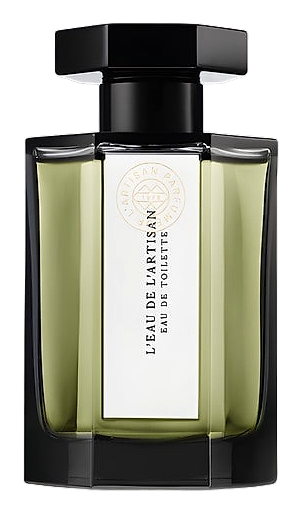
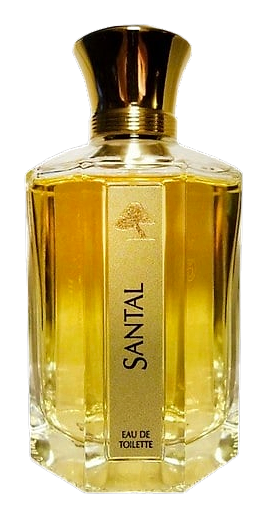
Santal arrived in 1978 as a study in restraint. Jean Laporte, the chemist-perfumer who founded L'Artisan Parfumeur in 1976, built this fragrance around a single question: what happens when you strip a woody fragrance down to almost nothing? The answer was a composition so sparse it reads more like a sketch than a finished work, centered on the creamy warmth of sandalwood with oakmoss adding an earthy counterpoint beneath. The name says it all. Santal is sandalwood. Nothing more, nothing less. A debut that announced the house's preference for ingredient honesty over ingredient excess.
Sandalwood has a tendency to overwhelm. It becomes creamy, lactonic, a wall of warmth that crowds everything else out. Laporte kept Santal lean. The oakmoss cuts any sweetness before it starts, keeps the whole thing grounded in something mineral and slightly bitter. That's the counterpoint that makes this work, not the sandalwood alone, but the oakmoss that keeps it honest. A 1978 decision that still reads as counterintuitive now, when so many woody fragrances lean into comfort rather than restraint.
The evolution
The opening announces itself quietly. Not the hotel-lobby sandalwood, this one arrives dry and slightly dusty, like wood left too long in open air. A whisper of spice threads through the first minutes, then settles. Over the next several hours, oakmoss takes over. That mineral, slightly sour edge that no synthetic has ever fully replicated. The two materials talk to each other, neither dominating, both present. The real payoff comes in the final hours. What lingers is sandalwood worn soft by body heat, a warmth that stays close rather than projecting. The sillage is moderate throughout, this is not a fragrance that announces itself. On fabric, it holds into the next day. Quiet, intimate, and entirely itself.
Cultural impact
Santal offers a dry, minimal take on woody fragrances. Its sparse formula draws a specific crowd: those who find most woody fragrances too sweet, too heavy, too much. The composition strips away excess, leaving a scent that whispers rather than shouts. Sandalwood provides a creamy, slightly nutty warmth while oakmoss lends an earthy undertone, creating a quiet confidence that appeals to those who prefer their fragrance to suggest rather than declare.