The Story
Why it exists.
The beginning
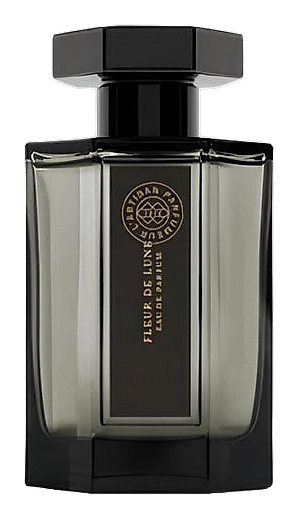
Fleur de Lune translates to flower of the moon, and that name is the whole story. In perfumery, osmanthus occupies a strange space, blooming quietly in autumn when most flowers are winding down, its petals giving off an apricot-floral sweetness that no other ingredient quite replicates. The pairing sounds like it shouldn't work. Leather is dark, structural, almost masculine in the classical sense. Osmanthus is delicate, fleeting, almost winsome. What emerged is that the contradiction is the point. Leather doesn't weigh down the flowers here, it holds them. Like flowers left in a jacket pocket, discovered hours later when the memory of wearing them has already softened into something warmer than the original gesture.
The osmanthus absolute is the compositional engine here, providing that characteristic apricot-floral note that makes the ingredient so distinctive. Against leather, this fruity sweetness gains unexpected structure, becoming something you can wear rather than just smell. Jasmine sambac brings a different register than the more common jasmine grandiflorum: deeper, more indolic, slightly animalic. Chinese magnolia adds an airy floral lift that keeps the composition from settling too heavily into its leather base.
The evolution
The opening arrives quickly. Osmanthus petals suspended in air, apricot and delicate leather arriving almost simultaneously. There's no gradual build here, the florals bloom fast, transparent and vulnerable, the kind of intensity that commands attention without raising a voice. Jasmine and magnolia carry the first hour. Then something shifts. Not a transition so much as a settling. The flowers don't disappear but they change register, less fresh, more melancholic. Leather and saffron emerge like a memory, not a statement. The florals are still there but they've become part of the fabric, inseparable from the leather that holds them. The drydown is where Fleur de Lune earns its name. Osmanthus, leather, and saffron remain close to the skin, apricot sweetness and warm spice settling into a quiet intimacy that lasts well into the next morning.
Cultural impact
Fleur de Lune takes the floral-leathery accord in a more intimate direction than one might expect. Where leather might typically serve as a statement ingredient, here it functions as a container for something more delicate. It's the kind of piece that earns attention through restraint rather than volume, and for anyone not yet familiar with the osmanthus-leather harmony, there's something genuinely surprising here. The fragrance invites a certain quiet attention, rewarding patience with a complexity that reveals itself slowly rather than announcing itself all at once.